Future Fragments Screenshots




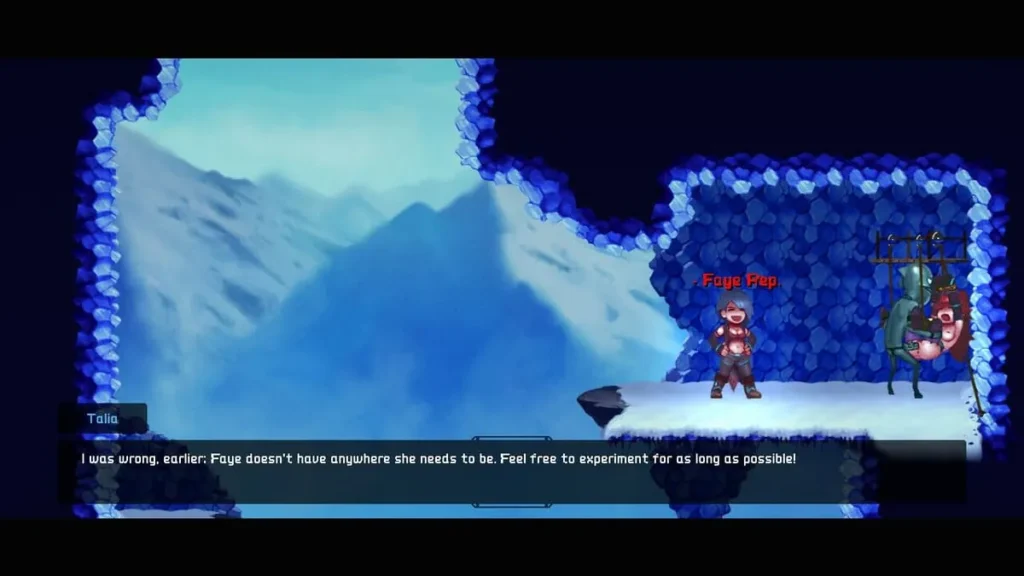
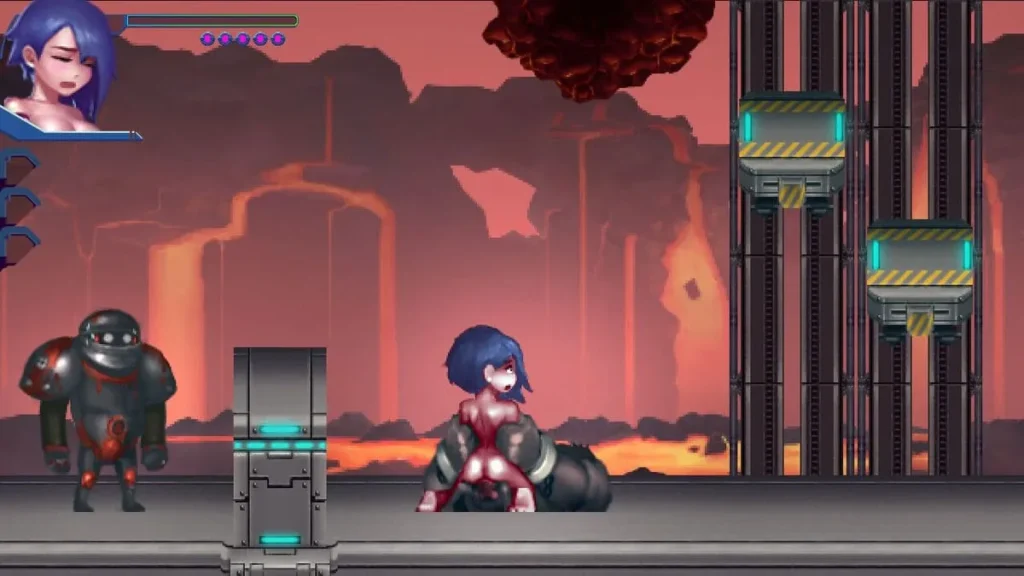
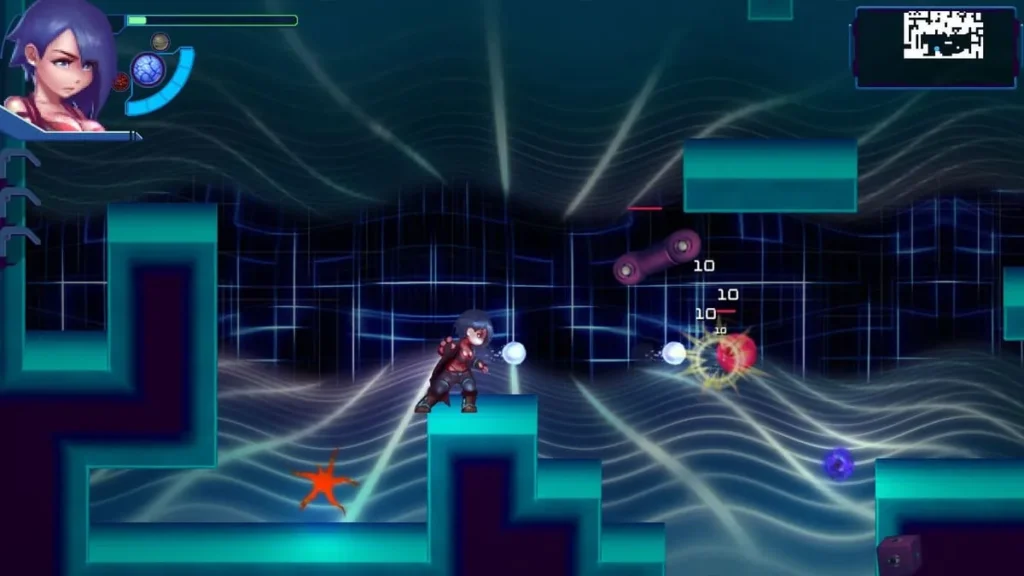
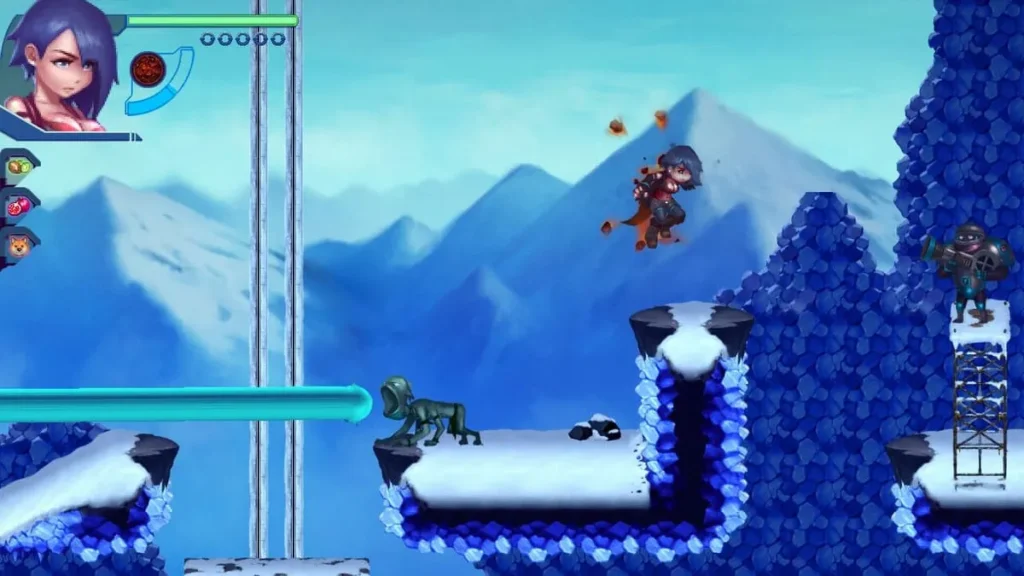
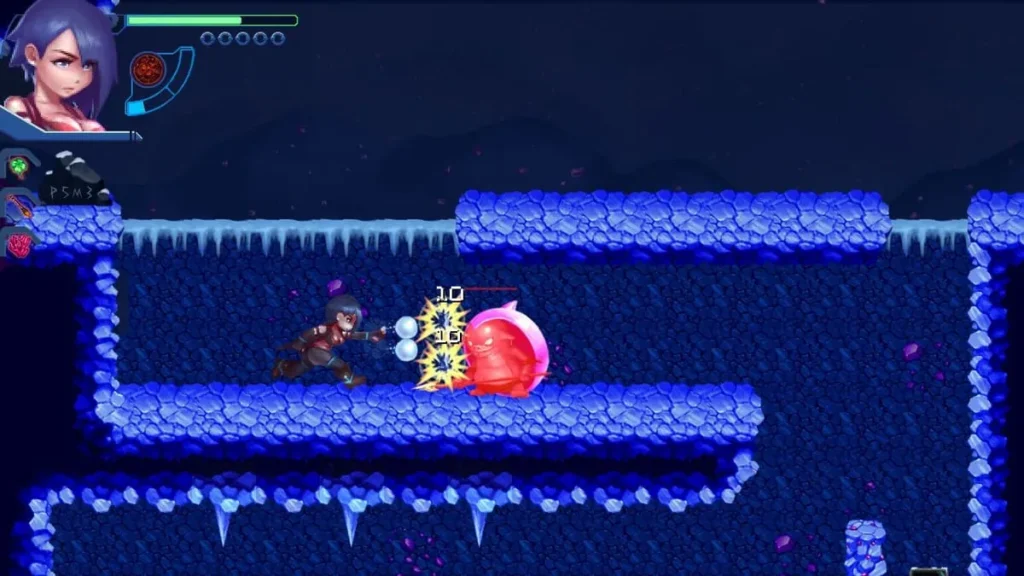
Future Fragments review
Exploring gameplay mechanics, narrative choices, and world-building in this adult-oriented adventure
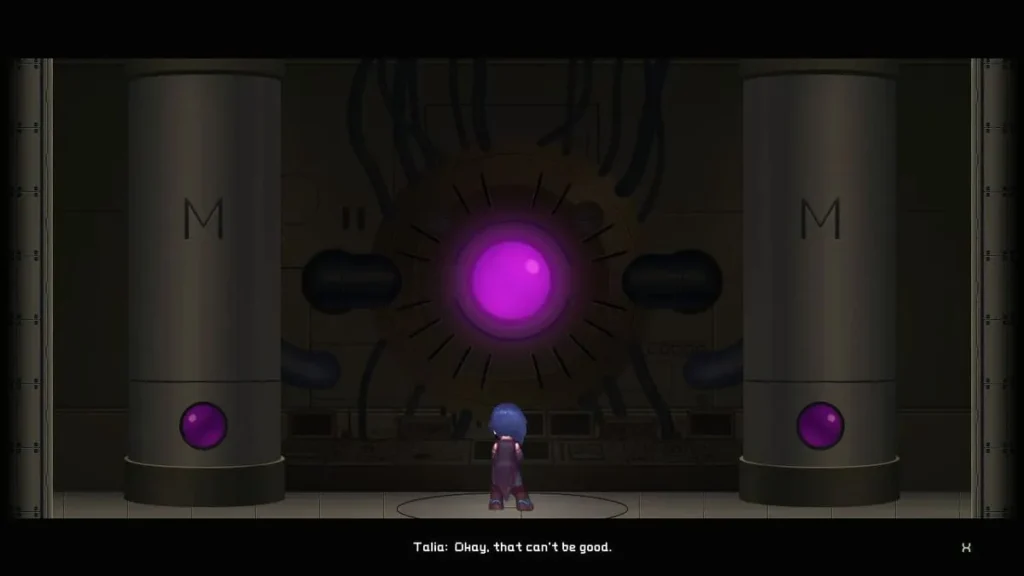
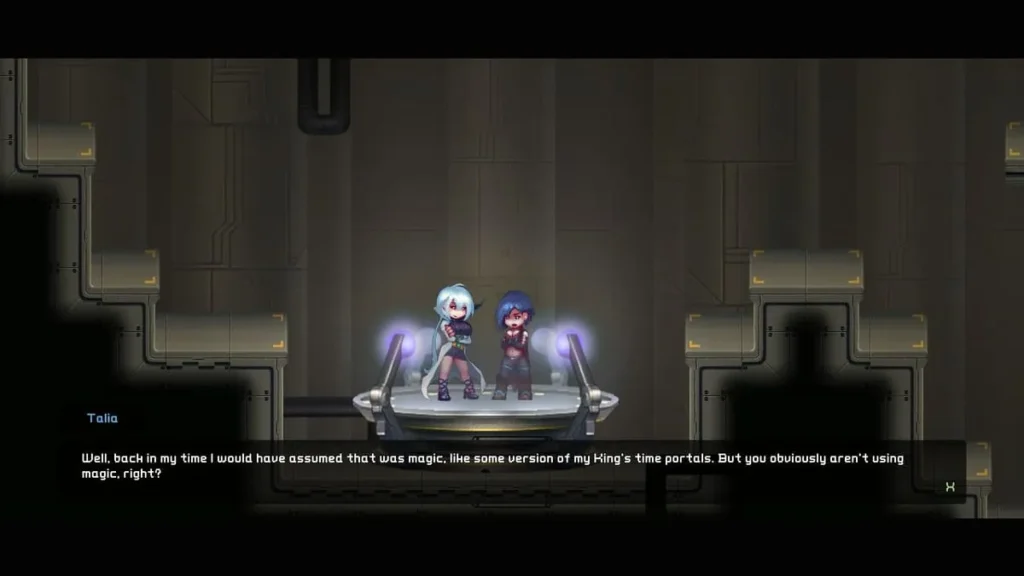
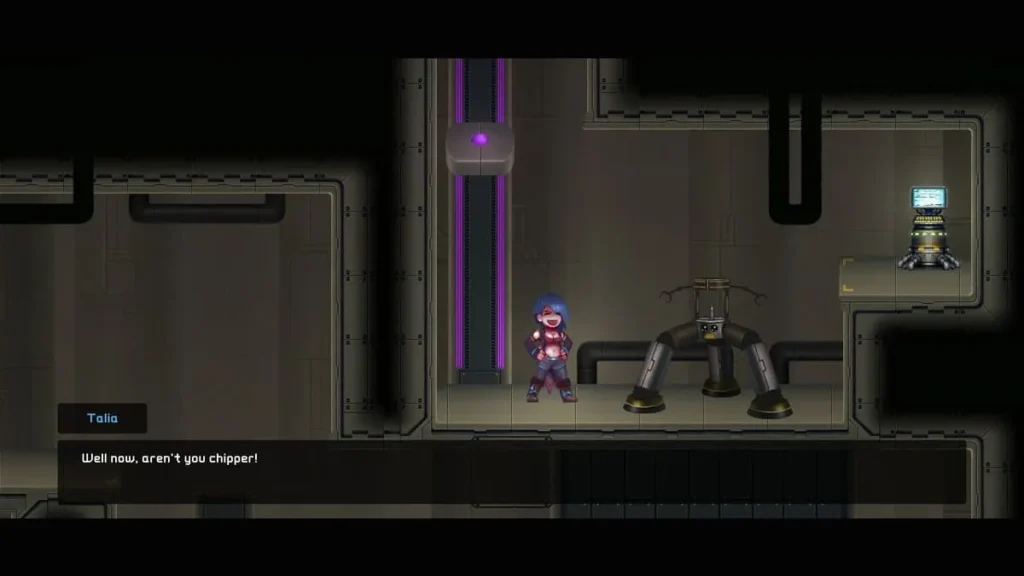
Future Fragments stands out as a modern reimagining of the platformer genre, blending action-packed gameplay with a branching narrative set in a dystopian future. This adults-only title combines English voice acting, genre-mixing mechanics, and meaningful player choices that directly impact the story’s progression. Whether you’re interested in understanding the game’s unique approach to world-building, its protagonist characters, or how your decisions shape the narrative, this guide explores what makes Future Fragments a distinctive entry in contemporary gaming. Discover the intricate balance between challenging platforming sequences and an engaging sci-fi storyline that rewards exploration and strategic decision-making.
Gameplay Mechanics and Genre-Blending Design
Let’s be honest—when you hear “adult-oriented platformer,” your mind might jump to one very specific thing. But what if I told you that Future Fragments is here to completely redefine that expectation? 🤯 This isn’t just a game with mature themes tacked onto a simple jump-and-run loop. It’s a meticulously crafted, genre-blending experience where every leap, shot, and story decision feels consequential. Having played more platformers than I can count, from the brutally hard classics to the narratively rich indies, I can say with confidence that the Future Fragments gameplay mechanics stand apart. They don’t just ask you to run from left to right; they invite you to inhabit a collapsing world, where your skill and your choices are the only tools you have to put it back together.
So, grab your blaster and strap on your jet boots. We’re diving deep into the guts of this game to see what makes its clock tick. 🚀
What Makes Future Fragments’ Platforming Unique?
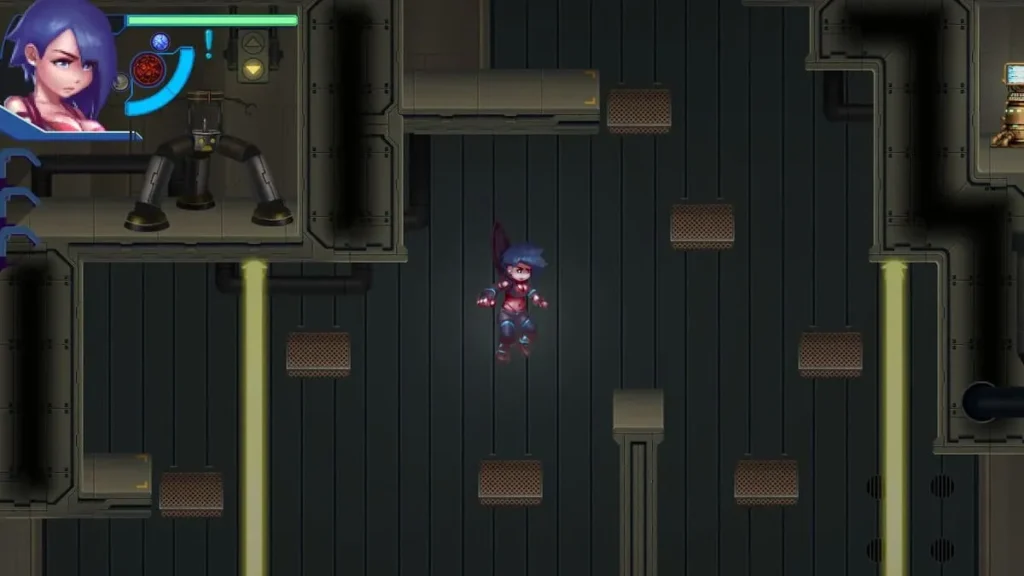
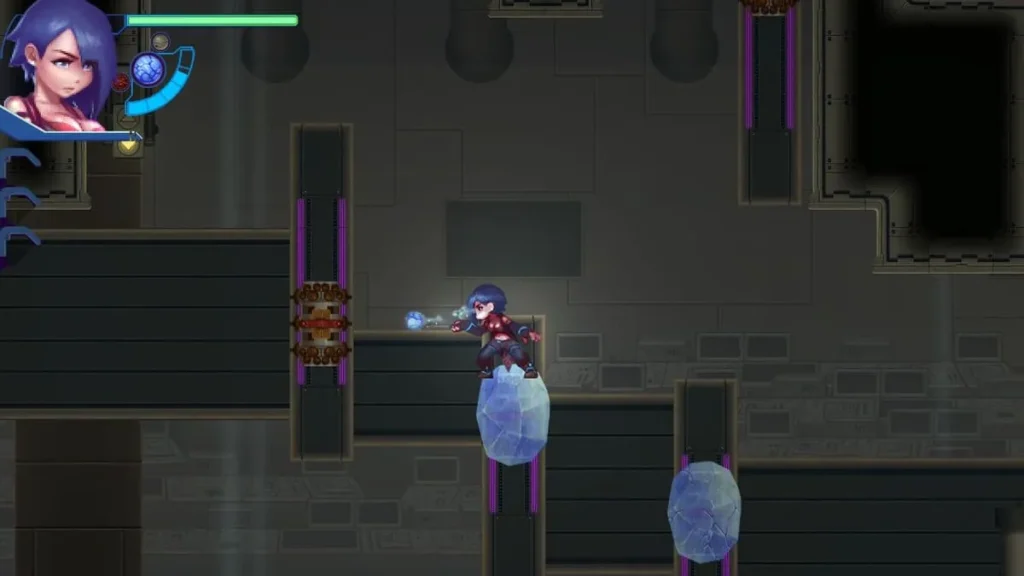
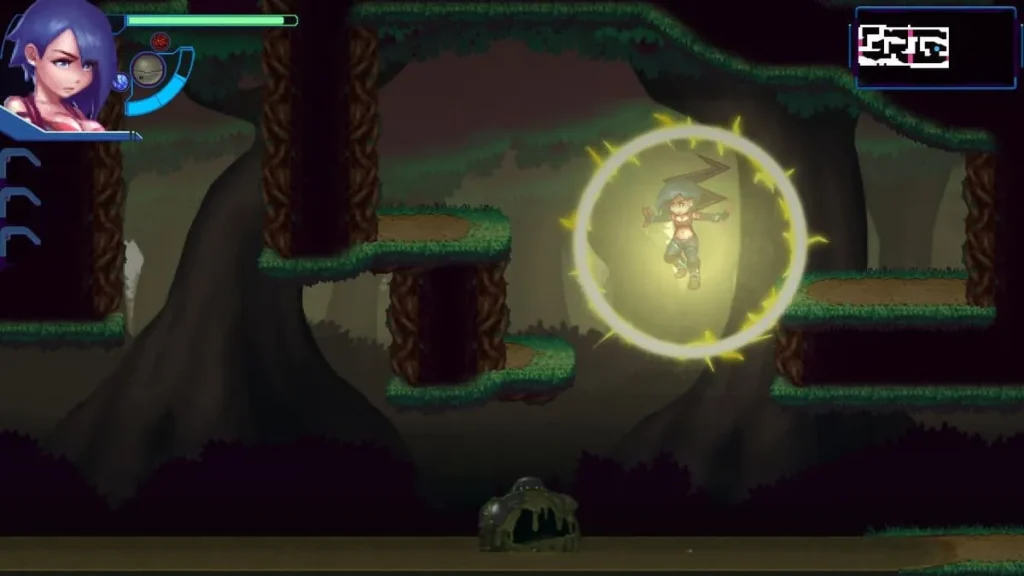
At its core, Future Fragments is built on a rock-solid platformer foundation. The controls are tight and responsive—a non-negotiable for any game in this genre. You’ll dash, double-jump, and wall-kick with precision. But where it diverges from tradition is in its purpose-driven mobility. Your movement isn’t just for avoiding pits; it’s the primary language of both combat and narrative exploration.
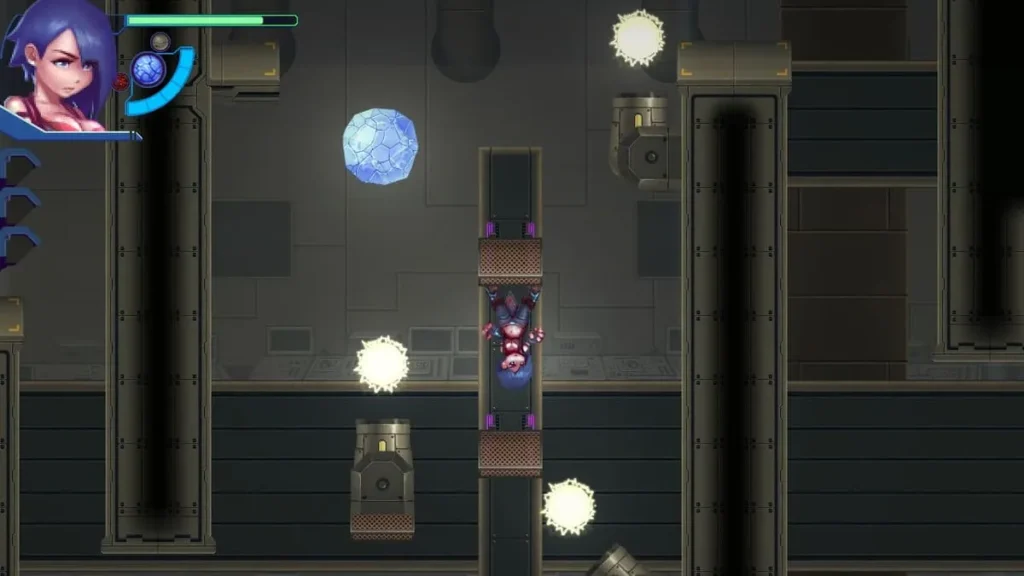
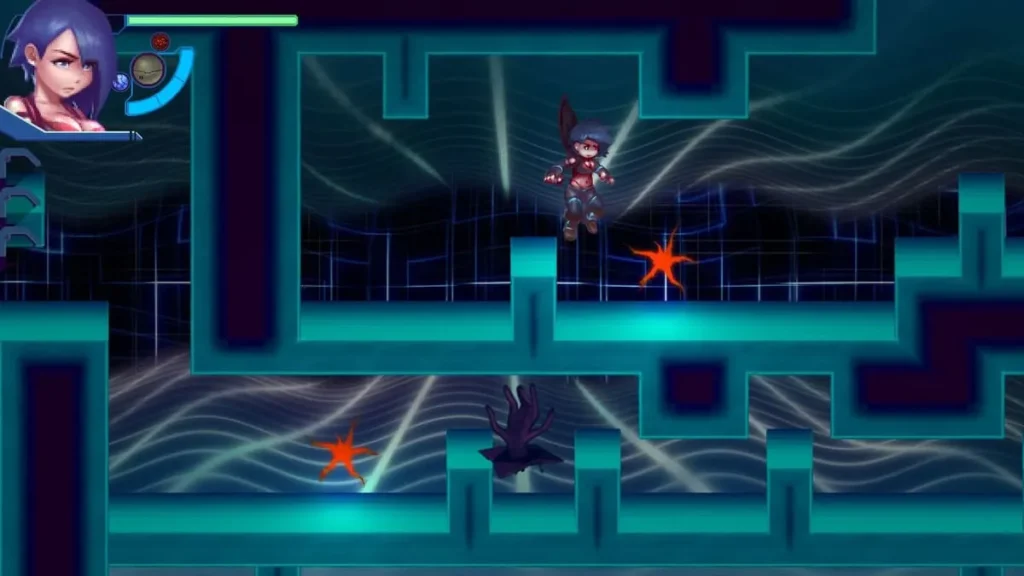
I remember one early section, a crumbling data-spire where the platforms were literally made of unstable light. The typical platformer instinct is to rush. But here, rushing meant death. The game subtly teaches you to read the environment: a flickering platform needs a moment to stabilize, a shifting wall has a pattern you can learn. This isn’t just obstacle avoidance; it’s environmental conversation. The level design in this sci-fi platformer constantly introduces new gimmicks—gravity shifts, momentum-based launch pads, timed energy fields—that keep the act of moving from point A to point B perpetually fresh and mentally engaging. 🧠
This philosophy extends to how you progress. Reaching a new area often requires you to master a specific movement technique you just learned, cementing it in your muscle memory. It’s a brilliant way of teaching without tutorials. The platformer genre-mixing design shines here, as these traversal puzzles often intertwine with light exploration. You might spot a hidden cache of lore or a weapon upgrade tucked away in a hard-to-reach corner, rewarding your curiosity and platforming prowess directly. It makes every jump feel like it has potential, turning the world itself into a reward system.
How Genre-Mixing Enhances the Player Experience
This is where Future Fragments truly sings. It refuses to be pigeonholed. While its heart is a precision platformer, it seamlessly weaves in DNA from metroidvanias, character action games, RPGs, and visual novels. This isn’t a haphazard collage; it’s a surgical fusion where each element elevates the others.
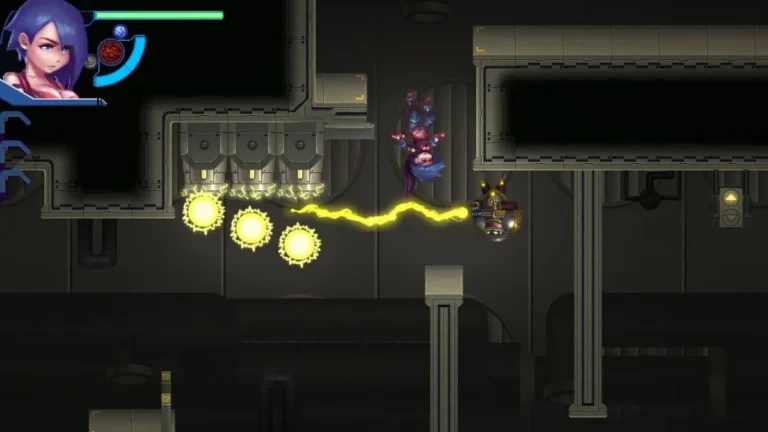
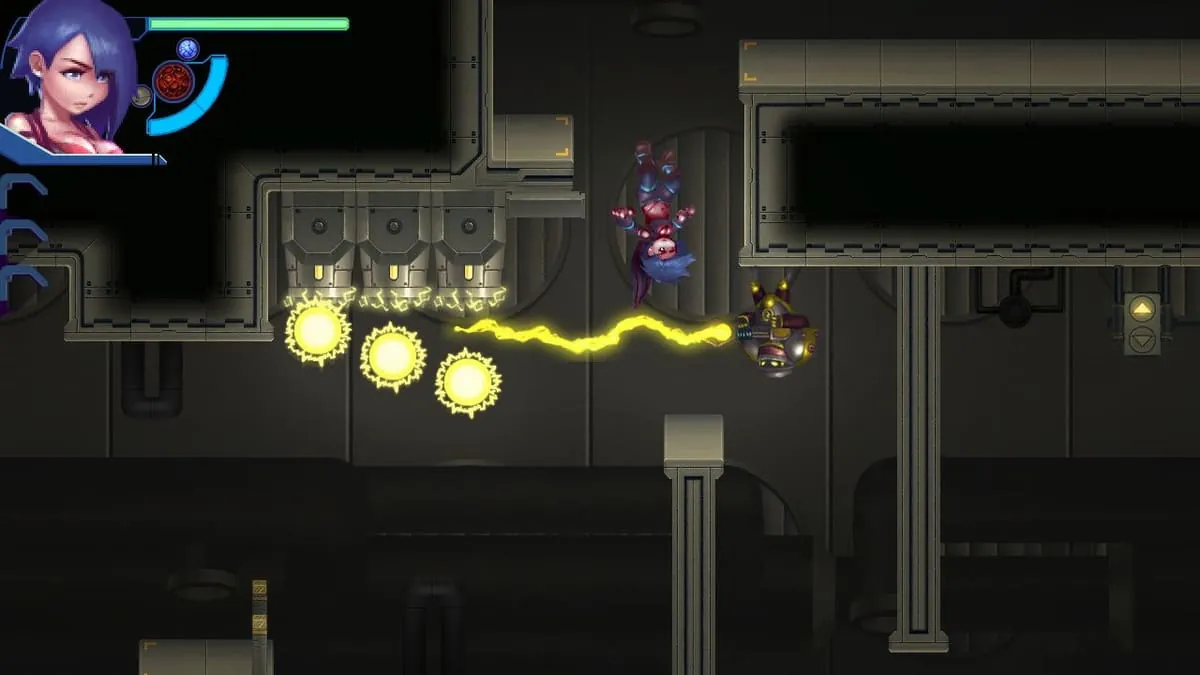
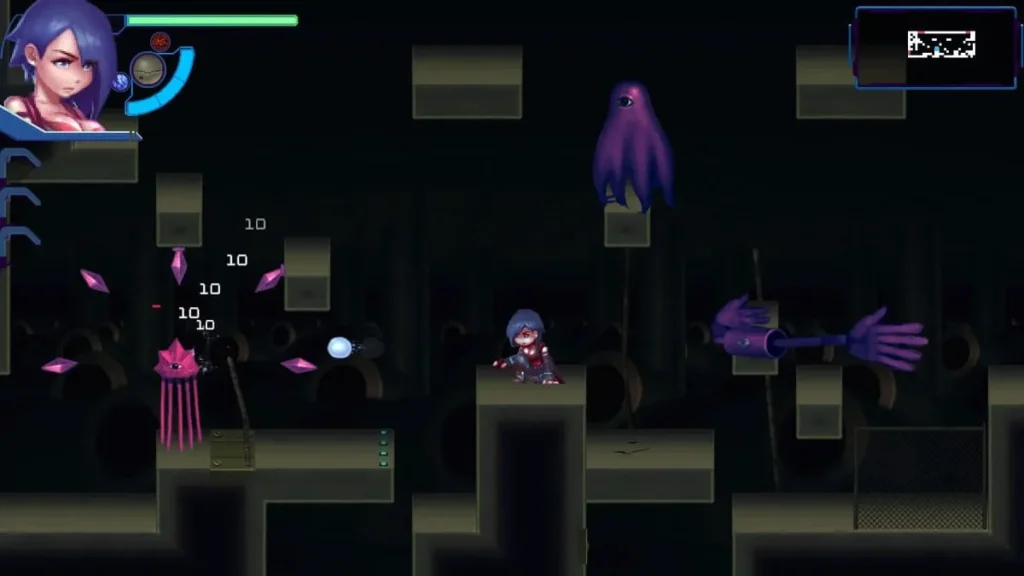
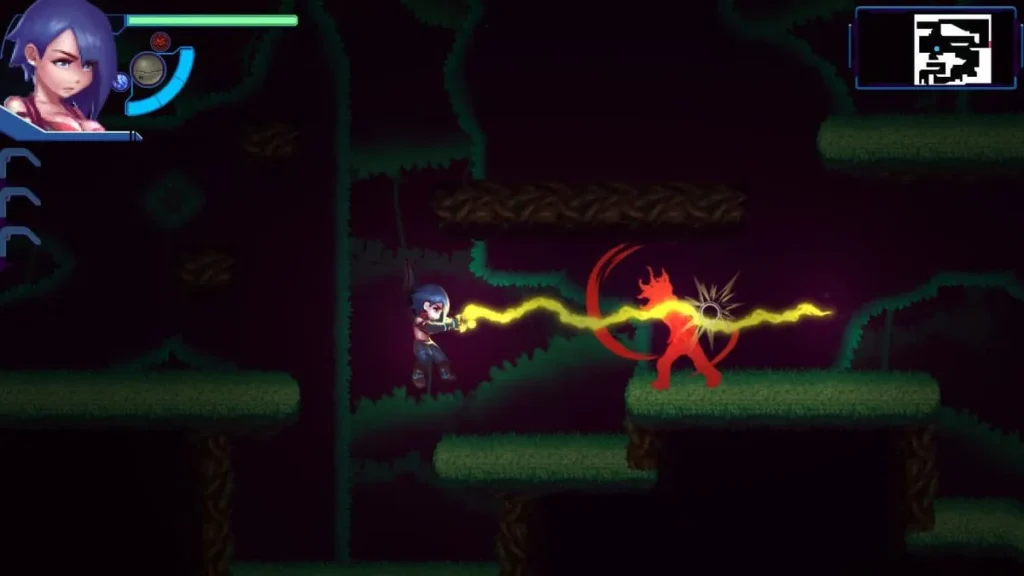
Think of a standard action platformer. You jump on enemies or shoot them, and you move on. In Future Fragments, an enemy encounter is a dynamic puzzle. The arena is a platforming challenge in itself, and your tools are a mix of reflexive shooting and strategic movement. The game often made me pause and assess: “Do I use the high ground to pick off that sniper, or do I dash through the crowd to disable the shield generator first?” This strategic layer transforms combat from a test of reflexes into a test of spatial awareness and tactical thinking.
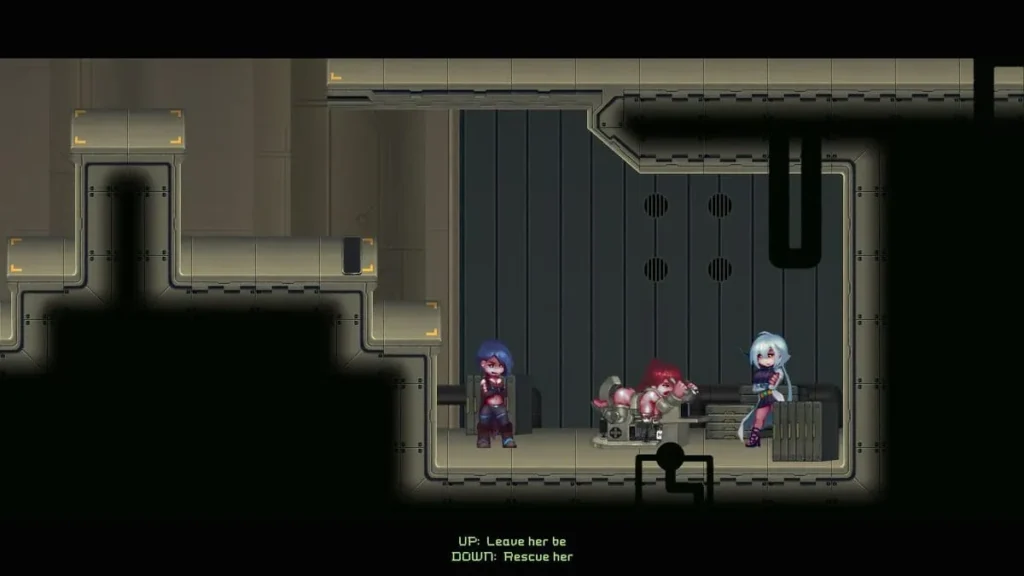
The narrative integration is the masterstroke. This is an action platformer with narrative woven into its very code. Your platforming path isn’t just a physical one; it’s a narrative branching point. Do you take the high road through the maintenance ducts, overhearing enemy chatter that hints at a side objective? Or do you storm the main gate, triggering a more direct but harder confrontation? These aren’t cutscene choices; they are gameplay decisions with immediate and lasting consequences on the story and world state.
To really see how this genre-blending changes the game, let’s look at it side-by-side with a more traditional approach:
| Gameplay Element | Traditional Platformer Approach | Future Fragments’ Genre-Blended Approach |
|---|---|---|
| Movement & Traversal | Primarily for overcoming obstacles and reaching the end of the level. Secrets are often static collectibles. | A core combat and exploration tool. Movement abilities unlock narrative paths, secret story beats, and tactical advantages in fights. |
| Combat Encounters | Often separate from platforming. “Combat rooms” or simple enemy placements that pause the jumping. | Fully integrated. Arenas are platforming gauntlets. Enemy types (like the four you face together) force you to use the environment as a weapon. |
| Narrative Delivery | Usually reserved for cutscenes, text boxes, or audio logs between gameplay segments. | Delivered through branching gameplay choices, environmental storytelling mid-action, and reactive voice acting in Future Fragments during gameplay. |
| Player Progression | Often linear power-ups (bigger jump, new shot) or is purely skill-based. | A mix of skill-based mastery, weapon/ability upgrades found via exploration, and narrative choices that open up or close off entire mission parameters and endings. |
This blend creates a compelling rhythm. You’re not just playing a platformer; you’re navigating a living, reactive sci-fi thriller where your physical dexterity and your decision-making are equally vital.
Combat Systems and Enemy Encounters
Now, let’s talk about the fireworks factory. 🎇 The Future Fragments combat system is a beautiful, chaotic dance that perfectly exemplifies its genre fusion. You have a versatile arsenal—a standard blaster with alternate fire modes, grenades, and a wicked energy blade for close-quarters emergencies. But your most powerful weapon is the stage itself.
Enemies are rarely alone. The game intelligently deploys them in groups, typically built around a squad of four basic types that complement each other. You might face:
* A Bruiser who charges your position, forcing you to keep moving.
* A Sniper perched on a distant, precarious ledge, requiring a precision platforming approach to eliminate.
* A Supporter that projects shields or heals others, making it a prime target.
* A Swarm type that floods the lower platforms, controlling your available space.
This quartet creates a dynamic combat puzzle. You can’t just stand and shoot. You’re constantly leaping, dashing, and using cover (which is often destructible). Maybe you wall-jump over the Bruiser’s charge to line up a shot on the Supporter, then use a gravity-flip panel to reach the Sniper’s perch. The combat is a test of your platforming skills under pressure.
Pro Tip: The game’s difficulty scaling is smart. It doesn’t just make enemies bullet sponges. Instead, your branching gameplay choices directly influence encounters. Taking a stealthier narrative path might result in fewer, but more elite, enemies. A more aggressive route might flood the screen with weaker foes. The game tailors the challenge based on the story you’re creating, which is a brilliant way to balance difficulty with narrative weight.
And then there’s the voice acting. Oh, the voice acting in Future Fragments! This isn’t just window dressing. During these intense encounters, your character and the enemies will bark lines—warnings, taunts, reactions to your moves. Hearing your protagonist gasp as a laser grazes past, or an enemy commander shout “She’s on the upper gantry! Flush her out!” adds an incredible layer of immersion. It makes the world feel alive and reactive in real-time, blurring the line between a scripted story moment and emergent gameplay chaos. 🎤
The pacing between these action bursts and quieter story moments is masterful. After a tense, multi-wave fight to secure a reactor core, you might drop into a hidden maintenance room for a calm, dialogue-heavy scene that deepens a character relationship or reveals a critical plot point. These respites let the adrenaline settle and give weight to your actions. They also fuel the exploration mechanics; talking to characters or reading logs can give you hints about hidden paths or the true nature of an upcoming boss, turning information into a tangible gameplay reward.
In the end, the Future Fragments gameplay mechanics form a cohesive, thrilling whole. The platforming is your pen, the combat is your ink, and the branching narrative is the canvas. Every mechanical choice, from the feel of a double-jump to the squad-based enemy design, serves the larger goal of making you an active participant in a crumbling, adult, sci-fi world. It’s a game that respects your intelligence, challenges your reflexes, and ultimately lets you write your own fragment of the future.
Future Fragments represents a bold approach to modern game design, successfully merging challenging platformer mechanics with a richly developed sci-fi narrative. The game’s commitment to meaningful player choice ensures that each playthrough offers a unique experience, with decisions genuinely impacting character development and story outcomes. From the dystopian WORM society to the compelling journey of Talia and Faye, the game creates an immersive world that rewards exploration and engagement. The combination of English voice acting, genre-blending gameplay, and branching storytelling makes Future Fragments a standout title for players seeking depth beyond traditional platformers. Whether you’re drawn to the strategic platforming challenges, the intricate world-building, or the narrative complexity, Future Fragments delivers a comprehensive gaming experience that respects player agency and creative expression.