
Inner Growth
Play Inner Growth
Inner Growth Screenshots
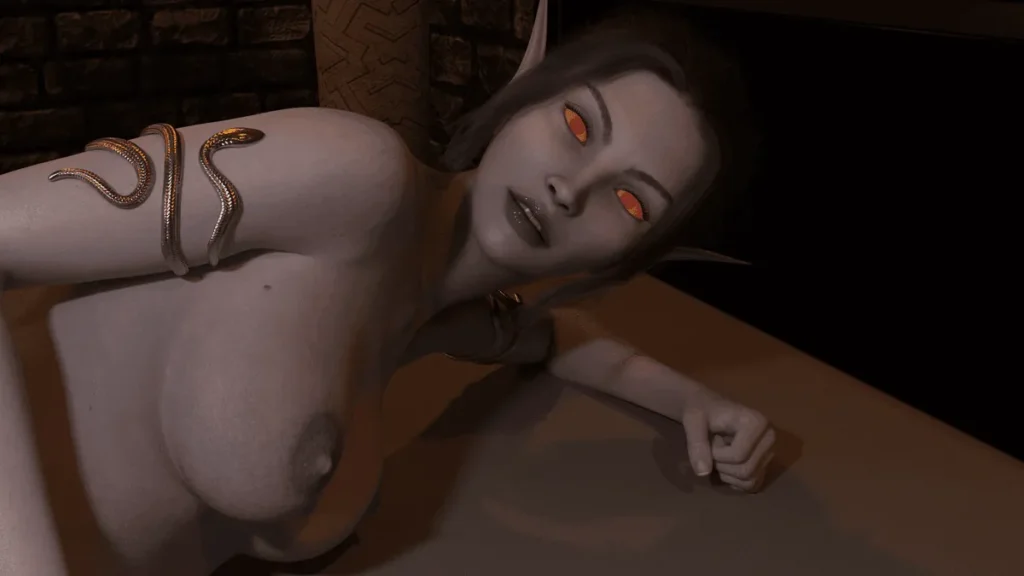





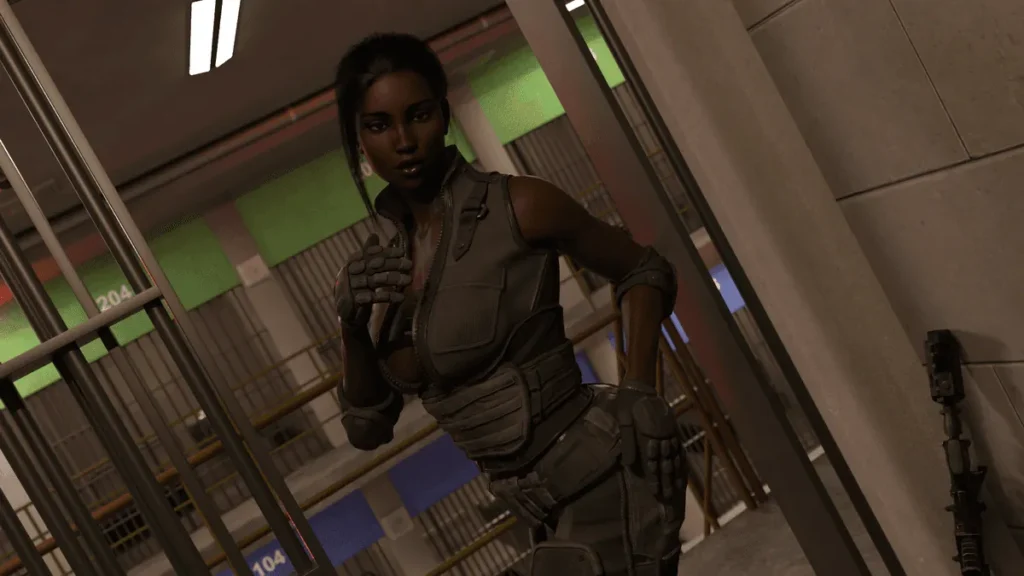





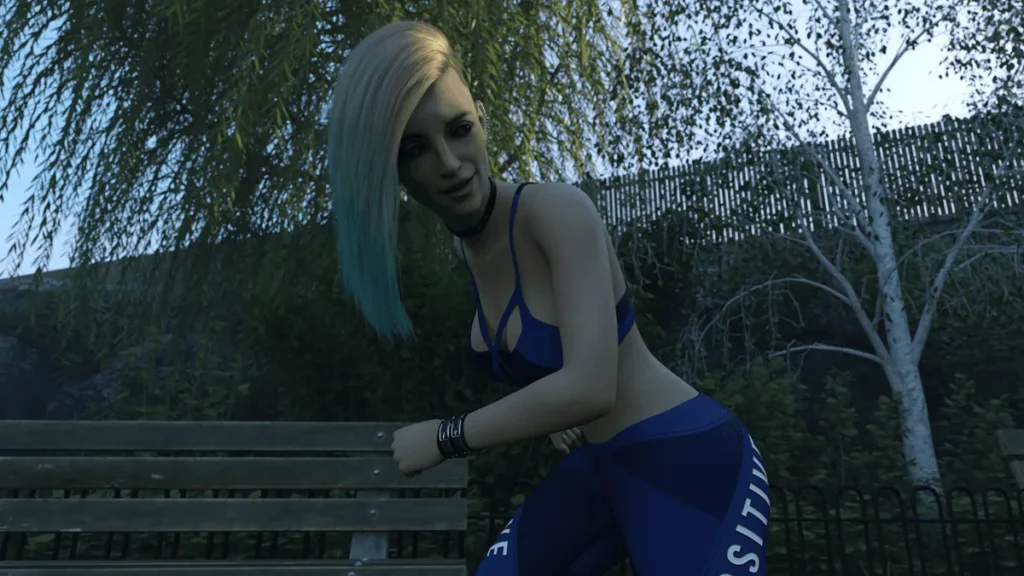
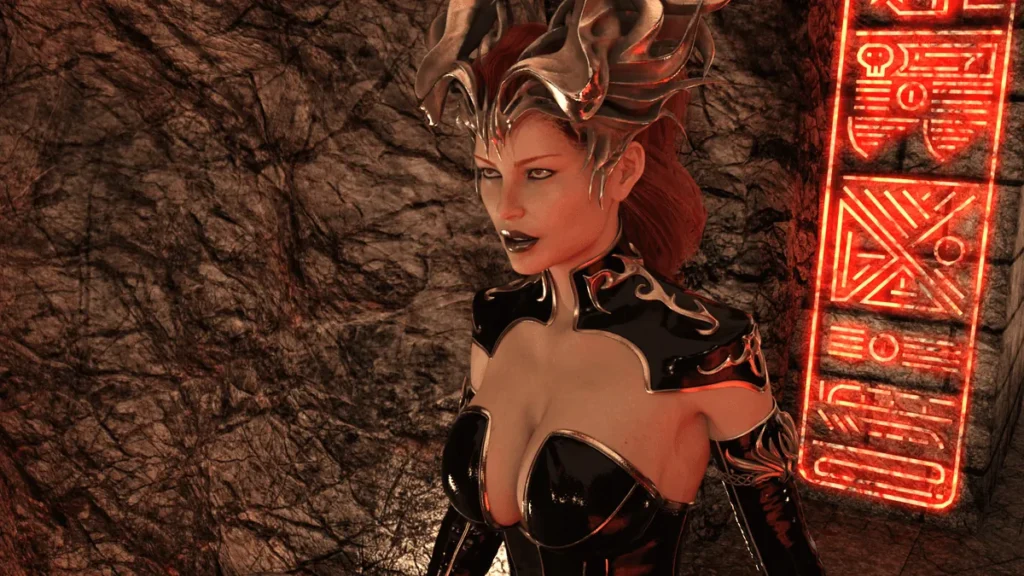
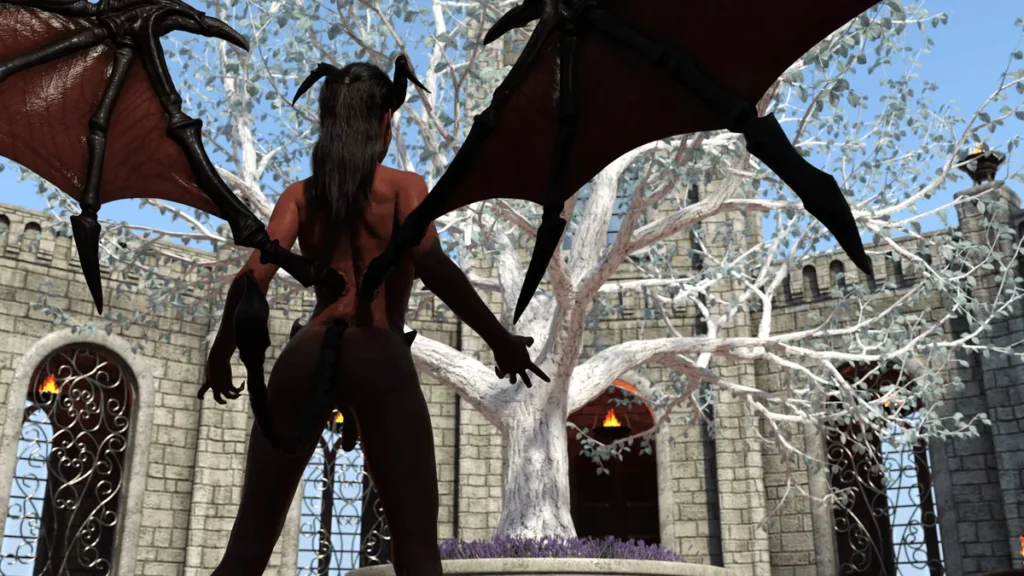

Inner Growth review
Explore how decision-making shapes your journey through this narrative-driven adult visual novel
Inner Growth stands out as a narrative-driven visual novel that merges storytelling with meaningful player agency. Developed by Morally Purple, this decision-based game follows Thalna, a protagonist navigating between the underworld and human realm. Unlike traditional games that treat choices as cosmetic elements, Inner Growth ensures every decision carries weight, affecting relationships, character development, and multiple story outcomes. The game emphasizes emotional intelligence and personal growth through branching narratives, making it a compelling experience for players who value story depth and consequence-driven gameplay.
Understanding Inner Growth: Core Gameplay and Story Foundation
Ever played a game where you make a dozen choices, only to find they all lead to the same cutscene? 🤨 It’s the ultimate letdown. You’re promised agency, but given an illusion. The Inner Growth game flips that script entirely. Here, every decision isn’t just a button you click; it’s a pebble dropped into a pond, and the ripples change the entire landscape of your story. This isn’t just another adult title—it’s a decision-based visual novel built from the ground up on the principle that what you do matters, shaping everything from fleeting moments to your character’s core identity.
Welcome to a journey where you don’t just watch a story unfold; you author it with every single choice. Let’s dig into the foundation that makes this experience so uniquely compelling.
What Makes Inner Growth Different: Decision-Driven Narrative Design
At its heart, the Inner Growth game is an experiment in consequence. While many games in the adult genre treat narrative as a simple path to a predetermined destination, Inner Growth treats its story like a living ecosystem. The branching narrative system is so intricate that two playthroughs can feel like entirely different tales.
So, what’s the secret sauce? It starts with ditching the “good/evil” or “romance route” binary. Instead, choices are nuanced, often emotionally charged, and rooted in Thalna’s perspective as a stranger in a strange land. Will you respond to a confusing human custom with curiosity, disdain, humor, or fear? Each reaction doesn’t just change a relationship meter in the background; it alters future dialogue options, unlocks or seals off entire story branches, and fundamentally influences how Thalna sees herself and her place in this new world.
I remember in one of my early playthroughs, I made what I thought was a harmless, flippant joke to a character who was being overly formal. No big deal, right? Wrong. That character later became a crucial ally in a tense situation, but because I’d chosen sarcasm over respect earlier, they remembered. They hesitated. That moment of hesitation cost me dearly in the story, leading to an outcome I hadn’t anticipated. It was a brilliant lesson: in Inner Growth, there are no “harmless” choices, only consequential ones.
The game is powered by Ren’py, an engine renowned for its flexibility in crafting complex visual novels. This technical foundation is crucial because it allows the branching narrative system to operate with such depth and fluidity. The uncensored content is woven directly into this framework—intimate moments aren’t just rewards, but are themselves pivotal scenes of vulnerability, connection, or conflict that are entirely dependent on the emotional groundwork you’ve laid.
To crystallize the difference, let’s look at how Inner Growth stands apart from more traditional titles:
| Aspect | Traditional Adult Games | Inner Growth |
|---|---|---|
| Narrative Focus | Often linear, with story primarily serving as a bridge between scenes. | The story IS the game. Exploration of identity, belonging, and emotional maturity is the central drive. |
| Choice Impact | Choices may unlock different scenes but often converge on a main story path. | Every choice actively diverges the path. The choice consequences gameplay creates a truly personalized narrative tree with vastly different endings. |
| Character Development | Character arcs are usually predefined and static. | Thalna’s personality, emotional intelligence, and self-expression evolve dynamically based on player decisions. |
| Replay Value | Driven by collecting different “scenes.” | Driven by experiencing completely different character relationships, story outcomes, and facets of Thalna’s personality. |
This design philosophy makes Inner Growth more than a game; it’s a narrative sandbox where your emotional and ethical compass is the primary tool. 🧭
Meet Thalna: The Protagonist’s Journey Across Two Worlds
To understand the weight of your choices, you first need to understand who you’re guiding. The Thalna protagonist is not a blank slate. She arrives with a rich, complex history that colors every interaction. Having spent most of her existence in the stark, rule-bound underworld, she is suddenly, and unwillingly, thrust into the chaotic, sensuous, and bewildering human realm.
This fish-out-of-water premise is the perfect catalyst for the game’s themes. Thalna isn’t just navigating new social rules; she’s navigating a new self. In her old world, her nature as a Futa character—possessing both male and female attributes—may have been a simple, unremarkable fact. In the human world, it becomes a core part of her journey of self-discovery and expression. Is it a source of power? A point of confusion? A way to connect, or to intimidate? Your decisions directly shape how Thalna comes to understand and present this integral part of her identity.
Think of her not as a character you control, but as a person you mentor. You are her guide through the minefield of human emotions she’s never had to name, let alone manage. This is where those emotional intelligence game mechanics come into play. A situation might present Thalna with a surge of anger—a familiar, straightforward underworld emotion. You, as the player, must choose how to process it. Do you:
* Let it erupt in a fiery outburst? (Short-term catharsis, long-term relational damage).
* Suppress it and offer a cold, logical response? (Maintains peace, but fosters internal resentment and distance).
* Try to articulate the hurt beneath the anger? (A difficult choice requiring emotional vocabulary she may not have, but leading to profound connection and growth).
The Thalna protagonist you start with is not the Thalna you end with. Your journey is to help her build an emotional intelligence from scratch, using the tools of curiosity, empathy, and courage you choose for her. Will she remain a displaced outsider, or will she forge a new, hybrid identity that honors both her origins and her present? That’s the central question of her arc, and it’s answered entirely by you. 🌱
How Your Choices Shape the Story and Character Relationships
This is where the magic of the Inner Growth game truly comes alive. The choice consequences gameplay isn’t a vague promise—it’s the meticulously crafted architecture of the entire experience. Relationships aren’t tracked by a simple “love points” system. Instead, every character has a dynamic, multi-faceted memory of their interactions with Thalna.
Let’s walk through a concrete example. Early in the game, Thalna meets Elara, a human artist who is intrigued by her otherworldly nature. In a key scene, Elara offers to paint her portrait.
You are presented with a seemingly simple choice: How does Thalna react to being the subject of art?
1. Option A: “I’m not some object for you to study.” (Defensive, proud).
2. Option B: “This is… unfamiliar. But I am curious.” (Vulnerable, open).
3. Option C: “What’s in it for me?” (Transactional, guarded).
Here’s how that single decision branches into wildly different narrative threads:
Player Tip: The game rarely signposts “right” or “wrong” choices. Instead, think about what kind of person you want Thalna to become, and choose accordingly. There’s immense beauty in exploring the consequences of a “flawed” decision.
-
Choosing A (Defensive): Elara is taken aback and apologizes, but a wall goes up. The portrait scene ends awkwardly. Later, Elara’s storyline becomes one of respectful distance. She sees Thalna as formidable but unapproachable. You may unlock a subplot where Elara paints abstract representations of “power” inspired by Thalna, but the chance for deep, personal intimacy with her is severely diminished. Thalna’s own path reinforces themes of isolation and self-reliance.
-
Choosing B (Vulnerable): Elara’s face lights up. The portrait session becomes a quiet, intimate moment of sharing stories. This choice unlocks Elara’s full companion route. It opens up conversations about beauty, form, and identity. Thalna might later explore expressing her own duality through art with Elara’s guidance. This path deeply integrates emotional intelligence game mechanics, as Thalna learns to articulate feelings she sees in the art. It can lead to one of the game’s most poignant and emotionally supportive endings.
-
Choosing C (Transactional): Elara raises an eyebrow, amused. She proposes a trade: a portrait for a story from the underworld. This path frames the relationship as a pact or barter. It can lead to a fascinating, tense dynamic built on mutual curiosity and leverage rather than pure affection. You might unlock unique scenes about the “economy” of secrets and favors, but trust will always be conditional. It shapes Thalna into a shrewd negotiator, but at the potential cost of genuine connection.
This is just one choice with one character. Now, layer this system across dozens of major decisions and multiple key characters, and you begin to see the staggering scope of the branching narrative system. The Inner Growth game is designed for replayability not to check boxes, but because each path reveals new dimensions to the story, the world, and, most importantly, to Thalna herself.
Your decisions determine:
* Alliances: Who stands with Thalna in the climax, and why.
* Thematic Resolution: Whether the story concludes with themes of integration, rebellion, solitude, or understanding.
* Thalna’s Evolution: Her core personality traits, her mastery of human emotion, and her ultimate sense of self-acceptance.
By treating every dialogue option and action as a building block for identity, this decision-based visual novel creates a profoundly personal experience. You’re not just picking an ending; you’re architecting a person’s soul across two worlds. And that journey—messy, unpredictable, and deeply human—is what makes Inner Growth a landmark in interactive storytelling. ✨
Inner Growth represents a thoughtful approach to adult gaming by prioritizing narrative depth and meaningful player agency. The game’s foundation rests on a robust choice system where every decision carries genuine consequences, shaping Thalna’s journey through interconnected story branches. By combining emotional intelligence mechanics with character development, Inner Growth elevates the genre beyond surface-level content to create an experience where players actively participate in personal growth narratives. The game’s commitment to multiple endings, diverse character interactions, and consequence-driven storytelling ensures that each playthrough offers a unique experience. Whether you’re drawn to decision-based narratives, character-driven stories, or exploring complex relationship dynamics, Inner Growth delivers a comprehensive experience that rewards thoughtful player choices. The ongoing development with planned updates through 2025 demonstrates the developer’s commitment to expanding and refining the game’s content and mechanics.