Play Returning to Mia
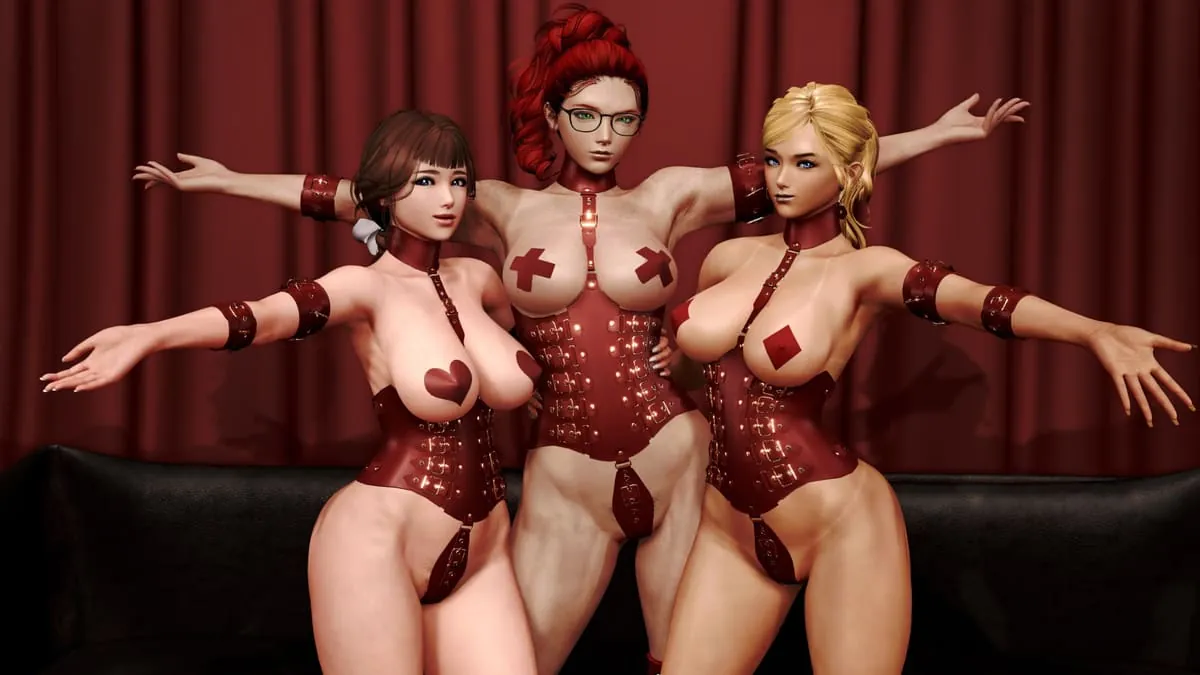
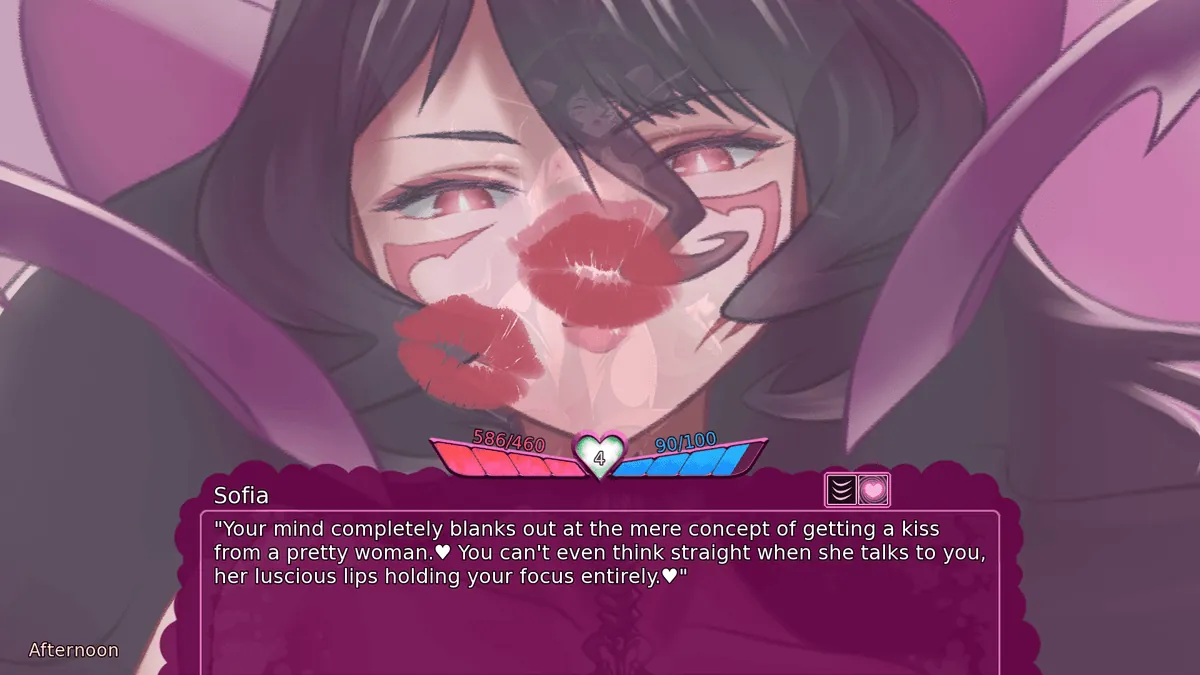
Returning to Mia Screenshots

















Returning to Mia review
Story, choices, and tips to get the most out of Returning to Mia
Returning to Mia is a narrative-focused adult game that mixes character-driven storytelling, relationship building, and impactful choices. If you have seen the title pop up on forums or download platforms and wondered what makes it stand out, this guide is for you. In the next sections, we will walk through the game’s premise, key characters, core systems, and practical tips, all from a player’s perspective. I will also share personal experiences and small case studies that can help you avoid common beginner mistakes and enjoy Returning to Mia to its fullest.
What Is Returning to Mia and Why Has It Become So Talked About?
You’ve probably seen the name popping up in recommendations or forums: Returning to Mia. It sounds intriguing, maybe even a little mysterious. But what is it, really? Is it another hidden gem or just another title in a crowded genre? If you’re asking yourself “what is Returning to Mia?”, you’re in the right place. Let’s pull back the curtain on this compelling experience that’s got so many players talking. 🕵️♂️
At its heart, the Returning to Mia game is a narrative-driven adventure. Think of it less as a traditional “game” with scores and levels, and more as an interactive story where your choices are the controller. It’s built for players who love to get lost in a world, invest in characters, and see their decisions ripple through the plot. The buzz isn’t about flashy graphics or complex mechanics; it’s all about the depth of connection and the weight of seemingly small moments.
Story overview: who is Mia and what is the main premise? 📖
The Returning to Mia story begins with a simple, yet powerful, concept: coming home. You step into the shoes of the protagonist, returning to a town thick with personal history after a long absence. The reasons for your return are your own to uncover, but the central anchor waiting for you is Mia.
Mia isn’t just a love interest or a side character—she’s the emotional core of the entire journey. Your shared past is a puzzle, with some pieces bathed in warm nostalgia and others shrouded in unresolved tension. The game masterfully explores how time changes people, and whether old connections can be rebuilt or if they’re better left as memories. This isn’t a story about saving the world; it’s about navigating the complex, often messy, world of human relationships and personal growth.
The narrative is driven by your renewed connection with her, but the town is alive with other faces. Friends, family, and old acquaintances each have their own stories, secrets, and roles to play. These side characters aren’t just set dressing; they create vital branching scenes and subplots that can significantly alter your path. You might help a friend with a personal crisis, uncover a town secret, or make an enemy, and each of these threads can weave back into your main story with Mia in unexpected ways.
So, why are players so drawn to this Returning to Mia game? Let’s break it down:
* Story is King: Every scene, every line of dialogue, is in service of building the narrative and its characters. If you’re here for plot, you’ll be fed well. 🍽️
* Character Depth: Mia and the supporting cast feel like real people with flaws, hopes, and histories. You’ll find yourself thinking about their motivations long after you’ve stopped playing.
* The Weight of Choice: This is the big one. Dialogue options and key decisions aren’t just cosmetic. They directly influence relationships, unlock (or lock away) entire scenes, and steer the story toward multiple possible endings. It makes every choice feel significant.
Core gameplay structure: how does Returning to Mia actually play? 🎮
If you’re new to narrative-focused games, you might be wondering about the Returning to Mia gameplay. How do you actually “play” a story? It’s simpler than you might think, but its simplicity is where its strength lies.
The game typically progresses in a structured, chronological flow—often day by day or scene by scene. You’ll wake up, decide where to go (the old park, the local café, Mia’s favorite bookstore), and see who you meet. The interface is clean and intuitive, borrowing from a visual-novel style with beautiful character art and backgrounds that set the mood.
When you’re in a conversation, the real gameplay begins. You’ll be presented with text-based dialogue choices. These aren’t always clear-cut “good” or “bad” options. Instead, they reflect tone, intention, and personality. Will you be playful or sincere? Forgiving or cautious? Open or reserved? The game rarely judges you; it just reacts, and those reactions accumulate.
Here’s a practical tip that changed everything for me: save frequently and in different slots. The Returning to Mia gameplay is designed for experimentation. Seeing a conversation turn sour? Reload and try a different approach. Curious about what happens if you choose to visit a different character? Save before you decide and explore both paths. This structure actively encourages you to replay chapters to discover all the narrative branches and secrets you missed the first time.
To give you a clear picture of what to expect, let’s look at the core loop:
| What You Do | How It Feels / What It Affects |
|---|---|
| Choose a location to visit for the day/scene. | Directs which characters and subplots you engage with. You can’t see everything in one playthrough! |
| Select dialogue options during conversations. | Builds (or damages) relationship points with characters, alters their perception of you, and unlocks future dialogue trees. |
| Make key narrative decisions at story crossroads. | These are major branching points that can lead to entirely different scenes and ultimately, different endings. |
| Read narrative text and observe character expressions. | This is how the story, atmosphere, and emotional subtext are delivered. It’s the heart of the experience. |
The rhythm is deliberate. It’s about absorbing the atmosphere, listening to the subtle soundtrack, and letting the writing pull you in. If you go in expecting action-packed sequences, you’ll be disappointed. But if you want a game where you can put your feet up, think about your responses, and live inside a story, then you’ll understand the Returning to Mia gameplay appeal perfectly. ✨
Personal first impressions: what surprised me as a new player? 😲
I’ll be totally honest: my first hour with Returning to Mia was a mix of curiosity and slight impatience. I went in knowing it was story-focused, but I think I was still unconsciously waiting for a “gameplay loop” to reveal itself. I met Mia in a beautifully rendered, quiet café scene—the art style is warm and detailed, immediately setting a tone of bittersweet nostalgia. The writing was sharp, but I found myself skimming a little, eager to “get to the point.”
And then I made a single, seemingly insignificant choice.
Mia asked about my time away. The options were something like: “It was challenging, but I learned a lot,” or “Let’s not talk about the past. I’m just happy to be here now.” I chose the second one, thinking it was more positive and forward-looking. The scene didn’t end abruptly or anything dramatic, but the tone shifted palpably. Mia’s expression softened with a hint of sadness, her dialogue became slightly more distant, and a follow-up option to delve deeper into her own life vanished. A door of vulnerability had gently closed because I chose to avoid my own.
“In that quiet café, choosing to sidestep my past didn’t make the conversation easier—it built a tiny, almost invisible wall. That’s when I knew Returning to Mia was listening to every word I chose.”
That was my lightbulb moment. This Returning to Mia game wasn’t about choosing the “right” answer to win points. It was about role-playing a person and dealing with the authentic, sometimes awkward, consequences. I restarted the scene. This time, I chose the more open, vulnerable option. The conversation unfolded differently—Mia shared a worry, a laugh felt more genuine, and the connection deepened. It was a completely different emotional experience from the same starting point.
From then on, I adjusted my approach. I slowed down. I read every line, listened to the excellent, atmospheric music, and really thought about who my character was and what he wanted. The pacing, which I initially misjudged as slow, revealed itself to be perfectly deliberate, giving emotional moments room to breathe. The quality of the writing in the Returning to Mia story became apparent, full of nuance and subtext.
My initial misstep taught me the best piece of advice I can give: Don’t rush. This isn’t a game to blast through. It’s one to savor. Talk to everyone, revisit places, and don’t be afraid to save and explore the impact of different choices. It’s in that exploration that the game’s true depth and replayability shine.
So, is Returning to Mia worth playing? In my experience, absolutely—if you’re the right player. This Returning to Mia review of first impressions leads me to conclude it’s best suited for those who want to invest time in characters and story. If you enjoy getting to know fictional people, pondering your decisions, and seeing a narrative unfold based on your input, then Returning to Mia offers a rich, emotionally engaging experience that will stay with you. It’s a journey back to a person and a past, and every choice you make determines what you bring into the future. 🗝️
Returning to Mia stands out because it places character relationships, choices, and narrative tension at the center of the experience. Instead of rushing from scene to scene, you are encouraged to slow down, read carefully, and think about how each response might change your connection with Mia and the people around her. When you take the time to explore different paths and live with the consequences of your decisions, the story becomes more personal and memorable. If you enjoy slow-burn storytelling, branching routes, and getting emotionally invested in fictional characters, Returning to Mia is well worth your attention. Give yourself permission to experiment, replay key moments, and see how many different ways your journey back to Mia can unfold.