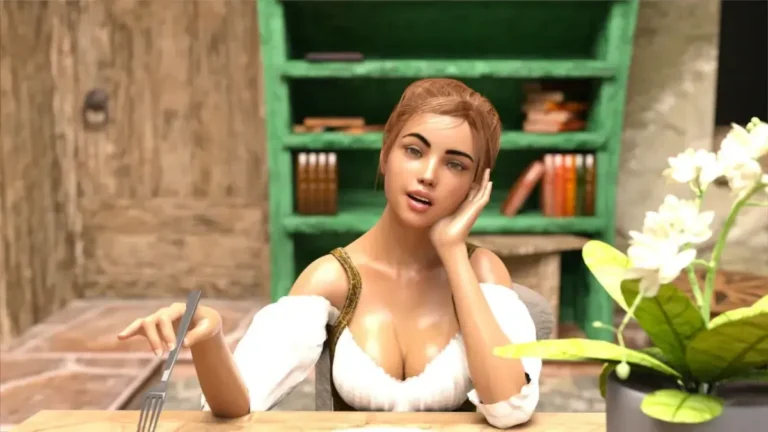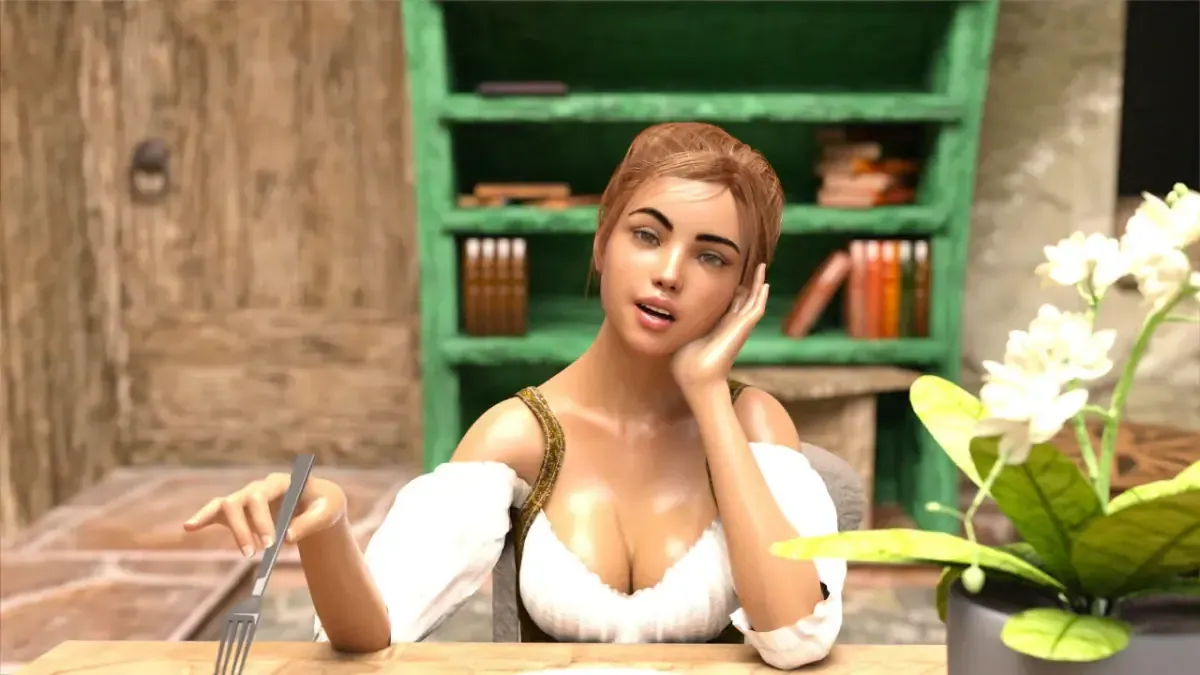
Runaway Princess
Play Runaway Princess
Runaway Princess Screenshots
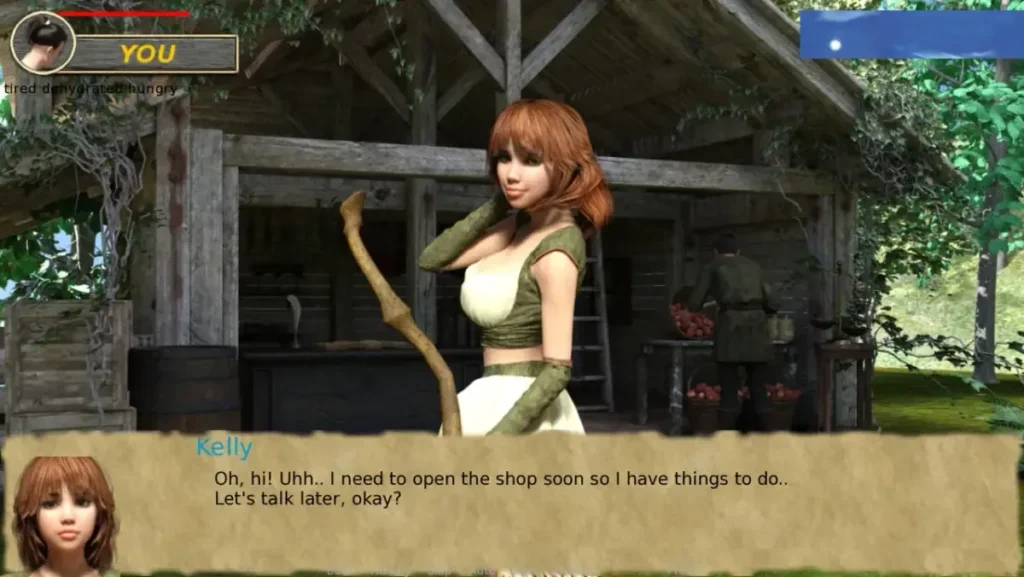
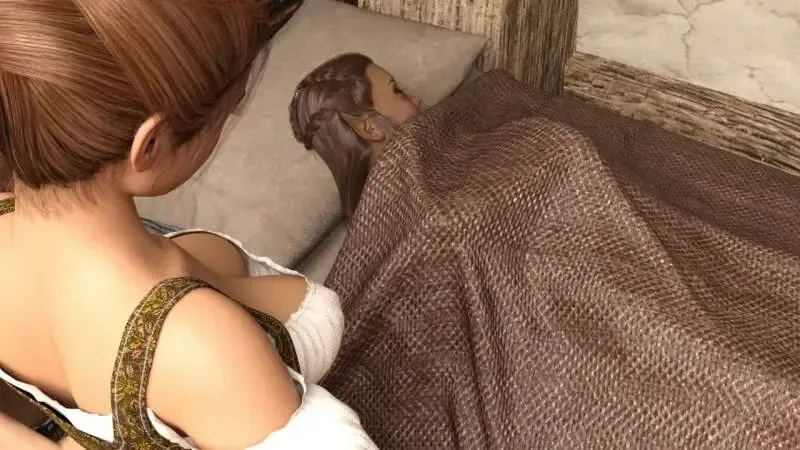
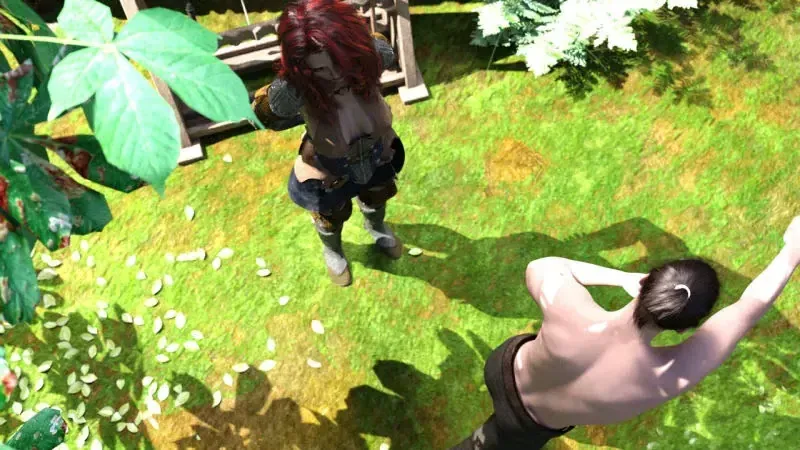
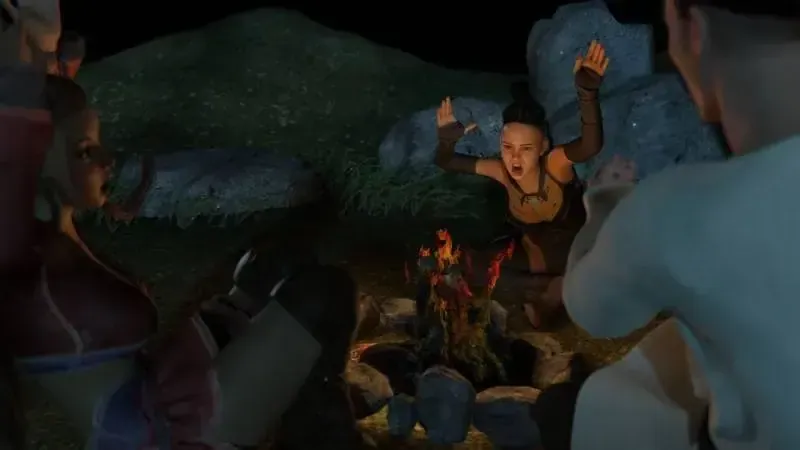
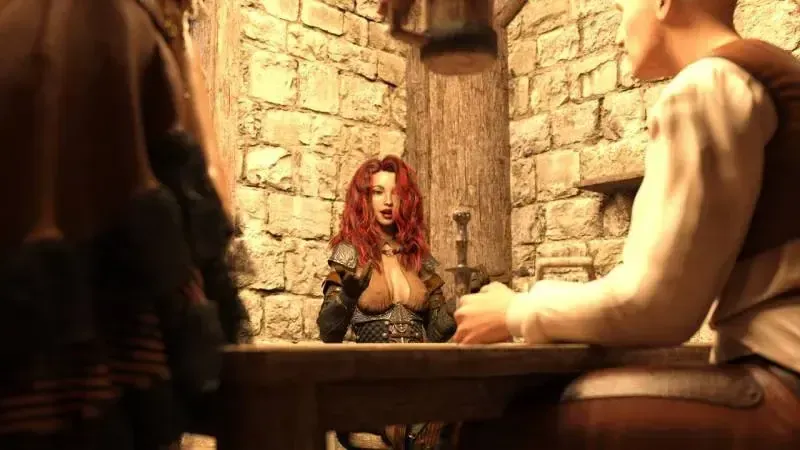
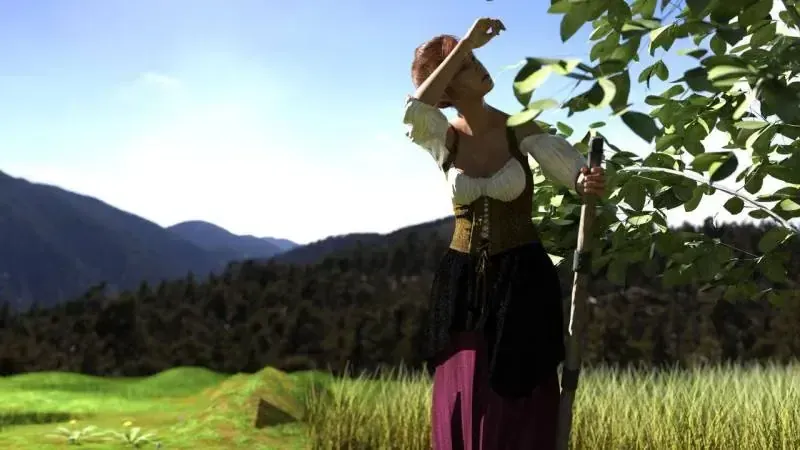
Runaway Princess review
Master the farmer RPG adventure with our in-depth walkthrough and strategy tips
Runaway Princess stands out as a unique blend of life simulation, sandbox exploration, and RPG adventure mechanics. This 3DCG fantasy game transforms the simple concept of farm management into an immersive experience where your daily decisions shape relationships, unlock story elements, and drive the narrative forward. Whether you’re new to the game or looking to optimize your playthrough, understanding the core mechanics and character systems is essential for enjoying everything this game has to offer. The journey from peaceful farmer to adventurer unfolds through meaningful interactions, strategic stat management, and exploration of a richly detailed fantasy world.
Understanding Runaway Princess: Core Gameplay Mechanics
Ever feel like you just want to get away from it all? 🏰 Runaway Princess totally gets that, and it turns that feeling into the ultimate farmer RPG adventure game. But here’s the twist: instead of just settling down on a quiet homestead, your escape launches you into a rich, living world where every minute of your day matters. This isn’t just about planting parsnips; it’s about uncovering ancient mysteries, forging deep bonds, and facing down magical beasts, all while the sun dutifully rises and sets. The magic of this game lies in its brilliant fusion of cozy life sim and gripping RPG adventure.
At its heart, the Runaway Princess gameplay mechanics are a masterclass in blending genres. You’re not just a farmer, and you’re not just an adventurer—you’re a person trying to build a new life, and every aspect of that life is interconnected. Your farm’s success fuels your exploration, the friendships you cultivate open new story paths, and the time you spend in dank dungeons can yield resources for your homestead. It creates a satisfying loop where no single action feels wasted. To give you a quick lay of the land, here’s how the core systems work together:
| Gameplay System | Core Mechanics | Impact on Your Adventure |
|---|---|---|
| Farm Management | Crop cultivation, animal care, crafting, and building upgrades. | Provides essential resources, gold for gear, and crafting materials for tools/weapons. The cornerstone of your farm management progression. |
| Character Relationships | Gifting, conversation, and completing personal quests tied to a daily schedule system. | Unlocks romance, reveals backstory, grants unique items, and opens access to restricted areas. Character interaction timing is everything. |
| Combat & Exploration | Real-time combat with dodges, blocks, and special skills in dungeons and the wilds. | Yields rare materials, experience for stat growth, and advances the main narrative. This is the heart of the RPG combat and exploration pillar. |
| Story Progression | Main quests, hidden side-quests, and event triggers based on time, location, and relationship levels. | Drives the overarching mystery of your past and the kingdom’s fate. Often requires synthesis of all other systems. |
What Makes This Farmer RPG Adventure Unique? 🪓⚔️
So, what sets Runaway Princess apart in a sea of pastoral sims? It’s the game’s fearless commitment to its dual identity. One moment, you’re meticulously planning your crop rotations for maximum seasonal profit—a deeply satisfying farm management progression system. The next, you’re checking your sword’s durability before heading into a fog-shrouded forest, because you heard rumors of a haunted shrine that only appears on rainy nights. This seamless shift is the game’s greatest strength.
The world doesn’t wait for you. While you’re tending to your chickens, the local blacksmith is finishing her morning rounds at the market, and the reclusive wizard is gathering rare mushrooms in the enchanted glade. Your ability to engage with this world—its stories, its conflicts, and its people—is directly tied to your willingness to live in it. You can’t just power through the main story; you have to live the life. This life simulation sandbox exploration means your playthrough is uniquely yours. Maybe you focus on befriending the fishermen by the river and discover a questline about a lurking river spirit. Perhaps your dedication to mining uncovers a sealed cavern that kicks off a whole new dungeon delve.
Personal Tip: Don’t try to “complete” one thing at a time. Embrace the juggle! I spent my first in-game week hyper-focused on clearing my farm, only to realize I’d missed a beautiful character moment with the bard, who only sings a special song at the town fountain on specific evenings. The game rewards holistic living.
The fantasy setting isn’t just a backdrop; it’s an active ingredient. Your farm might be invaded by pesky, magical sprites that steal your seeds, requiring you to craft specific repellents. The fertilizer that makes your crops grow giant might be brewed from components found only in monster-infested marshes. This constant interplay ensures your life as a farmer and your life as an adventurer are in a perfect, rewarding dialogue.
Daily Life Simulation and Time Management Systems ⏰❤️
This is where Runaway Princess truly shines and demands your attention. The game operates on a strict and brilliantly implemented daily schedule system. Each day is divided into chunks like Morning, Afternoon, Evening, and Night. Every villager, shopkeeper, and potential love interest has a detailed routine they follow, which can change based on the weather, day of the week, or even story events. This isn’t just window dressing; it’s the key to unlocking the heart of the game.
Mastering this system is the core strategic challenge. You have a limited amount of energy and time each day. Do you spend the afternoon fishing to earn gold for a new oven, or do you hike to the mountain pass where you know the mysterious ranger trains between 2-4 PM? The character interaction timing is absolutely crucial. Want to gift the shy librarian her favorite rare tea? You’ll need to catch her during her 10-minute afternoon break in the garden, not when she’s buried in books at her desk.
Let’s walk through a real example: Say you’re interested in getting to know Elara, the talented herbalist.
- Days 1-2: You notice she’s often at her shop in the morning, but is consistently “out gathering” every afternoon. The shop is closed on Windsday.
- Day 3: You decide to follow her routine. Instead of farming, you go to the Sunbeam Glade in the afternoon. Bingo! You find her picking herbs. You chat, gift her a foraged flower (which she likes), and unlock a new line of dialogue about a rare, glowing moss.
- Day 5 (Rainy): Remembering her comment, you go back to the Glade in the rain. The glowing moss is now visible! You collect some.
- Day 6: You give her the glowing moss in the morning. She’s delighted, reveals a personal story about her mentor, and gives you a recipe for a potent healing salve. This also triggers a new side-quest to find her mentor’s lost pendant, which she mentions only disappears into the old forest on sunny evenings…
See how that works? 🤯 By observing and engaging with the daily schedule system, you turned a simple interaction into a multi-step journey that deepened a relationship, granted you a useful recipe, and opened a hidden quest. This is the essence of the game’s life simulation sandbox exploration. The world is full of these delicate, timed opportunities—from romance arcs that require you to be at the right bluff at sunset to witness a special event, to shop discounts that only happen if you visit when the merchant is in a good mood after his weekly card game.
The “one more day” feeling is overpowering because your to-do list is self-generated and compelling. “Just one more day to see if that special vendor appears at the festival tomorrow.” “Just one more day to finally get my mining skill high enough to break that cracked wall in the dungeon I found.” “Just one more day to give my chosen sweetheart their weekly loved gift.” It’s a magnificent, addictive cycle.
Combat and Exploration in the Fantasy Setting 🗡️🛡️
When you step off your farm and into the wilds, Runaway Princess smoothly swaps its straw hat for a helmet. The RPG combat and exploration is accessible but has surprising depth. Combat is real-time, requiring you to time your swings, dodge enemy telegraphed attacks, and use a variety of weapons and unlockable skills. It’s not about complex combos, but about situational awareness and resource management—your stamina bar is shared between swinging your sword and sprinting away, tying directly back to your physical exertion on the farm.
Exploration is a direct reward for your farm management progression. Upgrading your tools lets you clear obstacles on the map (like large stumps or boulders). Better crops and cooked meals provide stat-boosting food for longer journeys. The gold from your harvest buys better armor and weapons. You are literally farming for strength, and it feels incredibly validating.
The world is dotted with points of interest that encourage this life simulation sandbox exploration:
* Enchanted Glades: Often contain rare foraging items and peaceful wildlife, but may be guarded by territorial spirits.
* Forgotten Dungeons: Multi-level challenges filled with puzzles, treasures, and boss monsters. These are often gatekeepers for major story beats.
* Seasonal Areas: Some regions are only accessible in certain seasons, offering unique resources and monsters.
* Hidden Triggers: As mentioned, many exploration opportunities are tied to the daily schedule system or weather. A cave entrance might only be visible during a thunderstorm, or a friendly creature might only appear in a meadow at dawn.
Combat, therefore, is never just mindless grinding. You’re diving into a dungeon for a specific reason: to find a rare gem for a wedding ring for your sweetheart, to harvest Void Essence from shadows to craft an advanced sprinkler, or to defeat a corrupted guardian to cleanse a spring and unlock new irrigation for your farm. Every fight has a purpose that feeds back into your other goals.
The thrill comes from preparation and discovery. Packing the right food buffs, ensuring your tools are repaired, and setting out at the right time of day to maximize your hours of light—it all matters. When you stumble upon a hidden clearing with a spectral stag that offers you a blessing in exchange for a specific crop grown only in fall, you realize the game’s systems are talking to each other in the most wonderful way. This seamless blend of tending your land and testing your mettle is what makes mastering the Runaway Princess gameplay mechanics such a uniquely rewarding experience for any fan of the farmer RPG adventure game genre. It proves that the most exciting adventure can be the life you build for yourself, one carefully planned day at a time.
Runaway Princess delivers a compelling experience by seamlessly blending farm management with deep RPG adventure mechanics and meaningful character relationships. The game’s strength lies in its daily schedule system, which creates a living world where every interaction feels earned and consequential. Success in Runaway Princess requires balancing multiple systems: managing your farm and stats, learning character routines, building relationships through strategic timing, and progressing through combat and exploration. Whether you’re drawn to the life simulation aspects, the fantasy adventure elements, or the character-driven narrative, understanding these core systems will enhance your enjoyment significantly. Take time to explore the world, learn your favorite characters’ schedules, and let the story unfold naturally. The journey from ordinary farmer to legendary adventurer is one worth experiencing at your own pace.