
Star Periphery
Play Star Periphery
Star Periphery Screenshots









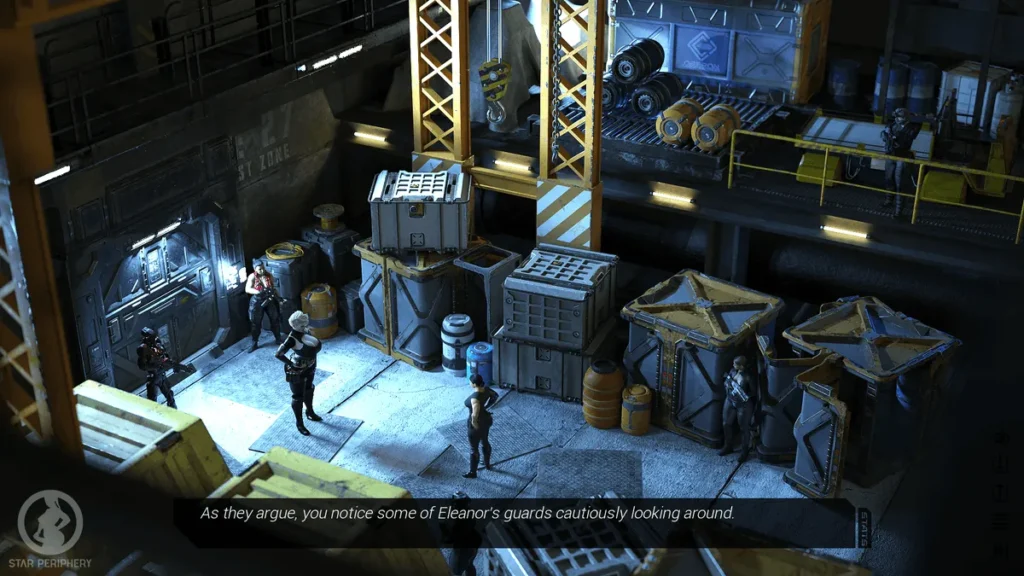
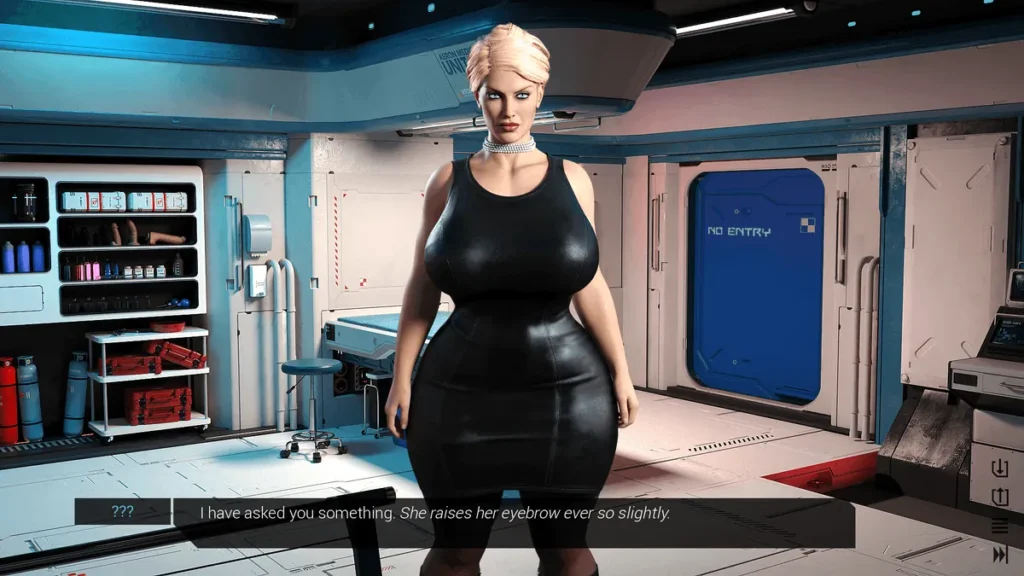

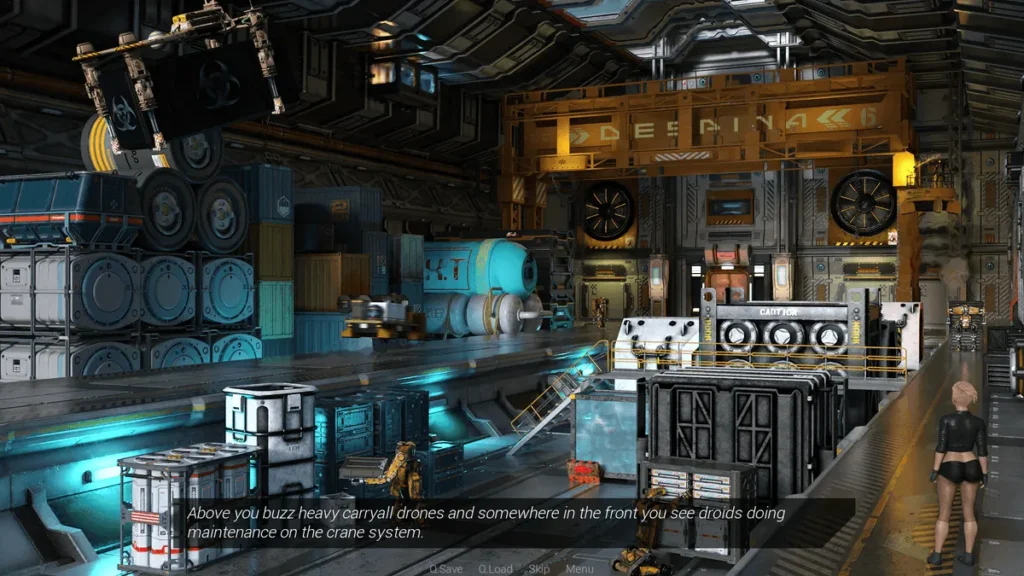
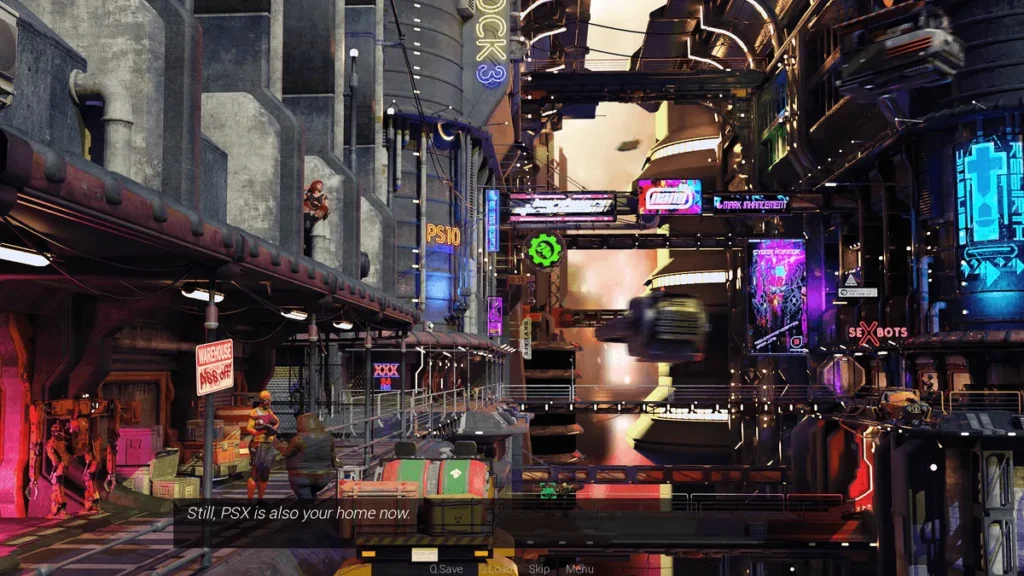
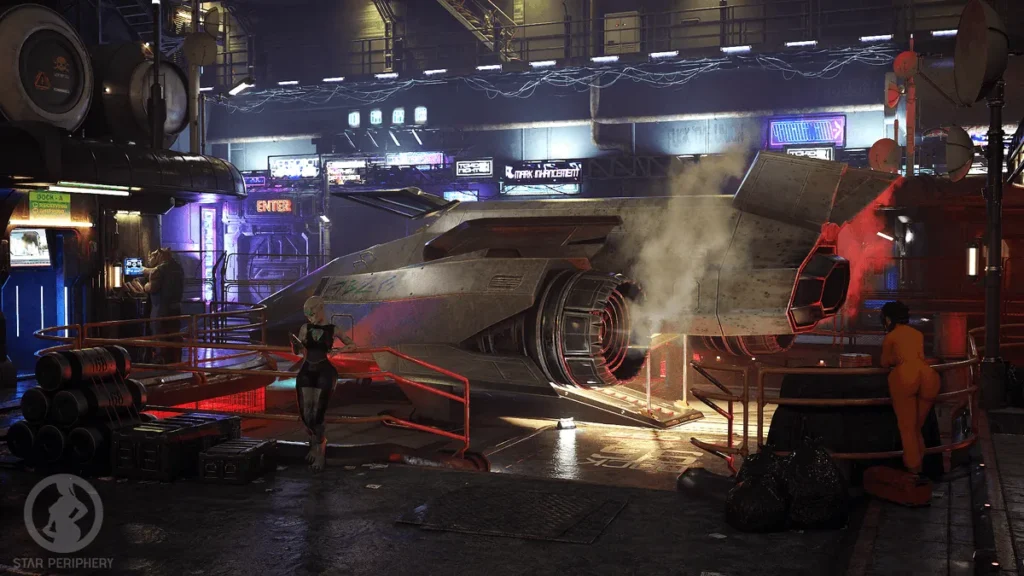
Star Periphery review
Explore Command Systems and Mature Thrills in This Redefining Game
Imagine commanding vast fleets across the stars, where every decision blends intense strategy with bold adult themes—that’s Star Periphery in a nutshell. This game doesn’t just slap mature content onto space strategy; it redefines mature gaming through multi-layered command systems that keep you hooked for hours. I first stumbled upon Star Periphery during a late-night gaming binge, and it quickly became my go-to for thrilling interstellar adventures laced with excitement. Whether you’re a strategy vet or new to adult-infused titles, this guide dives deep into what makes Star Periphery stand out, sharing tips from my own playthroughs to help you conquer the periphery.
What Makes Star Periphery a Strategy Masterpiece?
I remember the exact moment Star Periphery clicked for me. It was 2 AM, and I was staring at the wreckage of my third scouting fleet in as many hours. A rival faction’s patrol, which I’d arrogantly thought I could overwhelm, had dismantled my ships with chilling efficiency. I was frustrated, ready to tab out, but something made me pause. Instead of just building more ships, I dove into the battle log. That’s when I saw it: not just a list of destroyed units, but a cascading report of failed commands. My interceptors hadn’t engaged the enemy bombers because their formation was locked to “defensive escort.” My cruiser’s point-defense was offline because I’d prioritized its main guns for a target that was already out of range. I wasn’t just outgunned; I was out-commanded. That night, my understanding of the space strategy game genre was permanently altered.
This is the heart of the Star Periphery gameplay experience. It’s not merely about having the biggest fleet or the most resources; it’s about wielding profound, granular control over every aspect of your burgeoning empire. The game asks more of you, and in return, delivers a satisfaction that flat, simplified titles simply cannot match. Let’s break down what makes this title a modern strategy masterpiece.
How Multi-Layered Command Systems Revolutionize Play
Forget the simple “select all, attack-move” mentality of older titles. Star Periphery introduces a paradigm shift with its multi-layered command systems. Think of it like conducting an orchestra where every instrument has its own sheet music, but you also control the sections, the tempo, and the volume, all in real-time. 🎻
At its core, the system operates on three fundamental, interconnected layers:
- The Strategic Layer: This is your empire’s brain. Here, you set long-term objectives: which systems to colonize, what research to prioritize, and how to manage diplomatic relations. Issuing a command here, like “Secure the Hyades Sector,” doesn’t magically make it happen. It creates a strategic objective that filters down.
- The Operational Layer: This is the nervous system. Fleet admirals, sector governors, and research directors operate here. They interpret your strategic goals. “Secure the Hyades Sector” might prompt your 3rd Fleet Admiral to plot a patrol route, request more destroyers from shipyards, and set engagement rules for encountered hostiles.
- The Tactical Layer: This is the muscle response. Individual ship captains, station commanders, and fighter wing leaders are here. This is where a cruiser captain decides to angle shields toward the incoming fire, or a miner adjusts its course to avoid an asteroid. You can micromanage this layer, but the beauty is that you often don’t need to if your higher-layer commands are sound.
My early failure taught me this the hard way. I had sent a fleet to conquer a minor outpost (Strategic Layer). I set the fleet to “Aggressive” stance (Operational Layer). But I never checked the individual ship weapon priorities (Tactical Layer). My capital ship wasted its long-range spinal mount firing at cheap, evasive fighters while enemy bombers slipped through. The multi-layered command systems exposed my sloppy thinking.
Here are my top 5 tips for mastering these systems from the start:
- Delegate, Don’t Dictate: Use the Strategic Layer to set goals, then trust your admirals and governors in the Operational Layer to handle the how. Micromanaging every fleet movement is a path to exhaustion.
- Customize Your Standing Orders: Don’t just use the default “Aggressive” or “Passive” stances. Create custom operational profiles for different fleet roles. An “Interdiction” fleet should have different target priorities than a “Planetary Assault” fleet.
- Chain Your Commands: Use the command queue to sequence complex maneuvers. Order a science ship to survey a nebula, then jump to a specific asteroid for analysis, then return home—all with one planned chain.
- Review the Audit Log: After every major battle or event, spend two minutes in the detailed log. It will show you exactly how your commands were executed (or failed), which is the fastest way to learn.
- Personality Matters: Assign leaders with traits that match their roles. A “Cautious” admiral is great for defensive patrols but might hesitate in a crucial offensive. This adds a brilliant human (or alien) element to the multi-layered command systems.
Why Star Periphery Redefines Mature Space Games?
When we talk about “mature” in gaming, it’s often mistakenly reduced to graphic violence or crude language. Star Periphery redefines mature gaming by weaving complexity, consequence, and nuanced narrative into the very fabric of its strategy. This isn’t a game about clear-cut heroes and villains; it’s about factions with competing, believable interests, and your choices have weight that echoes through your playthrough.
The mature gaming redefines approach is evident in its diplomacy. Alliances aren’t just permanent buffs. A pact with the mercantile Cartel might grant you trade income, but it will also slowly increase corruption in your bordering systems, making them more susceptible to pirate activity. Do you accept the short-term boost and manage the long-term rot? These are compelling, grown-up strategic dilemmas.
Furthermore, the integration of mature themes feels organic because they are tied to mechanics. For example, colonizing a planet with a “Xenophobic” native population isn’t just a flavor text event. It applies a permanent “Social Unrest” debuff to that colony’s production unless you dedicate a building slot to a “Planetary Security” complex or enact specific, often ethically dubious, policies. Your best Star Periphery strategies must account for sociology as much as metallurgy.
I learned this during a mid-game crisis. A prosperous agricultural world, vital to my empire’s food supply, suffered an ecological collapse. The event chain presented me with options: enact ruthless rationing (crippling happiness but saving resources), divert a massive fleet to evacuate the populace (a huge military and economic cost), or let the crisis play out and deal with the refugee wave later. There was no “correct” answer, only a series of painful trade-offs. This depth is what makes the Star Periphery gameplay so uniquely rewarding and replayable. Every decision matters, and there are rarely easy wins.
Key Features That Hook Players from the Start
Beyond its profound command and mature themes, Star Periphery is packed with features designed to grab you and not let go. The initial hours are a masterclass in accessible depth. You’re introduced to core loops—exploration, expansion, exploitation, and extermination—but with the distinctive Star Periphery twist.
Exploration is fraught with wonder and danger. Your first few systems might yield a derelict freighter full of resources, or awaken a dormant, hostile bioship. The sense of venturing into the unknown is palpable.
Combat is a visual and tactical spectacle. Watching your carefully orchestrated fleet execute a pincer maneuver, with fighters screening and electronic warfare ships disrupting the enemy, is immensely satisfying. The key to how to play Star Periphery effectively in combat is understanding ship roles and designing your fleet to counter your enemies, rather than just amassing a singular doomstack.
To visualize the progression in mastering the game’s core systems, consider this comparison of command layers:
| Layer Type | Basic Function | Advanced Benefit | Pro Tip |
|---|---|---|---|
| Fleet Logistics | Automatically resupply ships at friendly stations. | Create dedicated, mobile supply tenders that follow your fleets into hostile territory, extending operational range. | Assign a “Logistics” admiral to your supply fleet for reduced fuel and supply consumption. |
| Sector Automation | Let the AI manage basic building queues in a defined sector. | Set nuanced economic focuses (e.g., “Balanced,” “Research Focus,” “Fortress World”) and resource thresholds, allowing for hands-off, optimized regional development. | Use the “Stockpile” focus to automatically build a reserve of strategic resources before a planned war. |
| Research & Development | Select new technologies from a linear tree. | Utilize the “Research Agreement” diplomacy option to gain bonuses in specific fields, and direct scientists to special projects for unique rewards. | Early investment in “Hyperlane Analysis” can reveal hidden shortcuts, a massive strategic advantage. |
My personal “hook” moment was discovering planet specialization. Early on, I built every colony the same way. Then I noticed a planet with a “+30% Mineral Yield” modifier. I designated it a “Mining World,” which unlocked unique buildings and empire-wide bonuses. Suddenly, my resource income skyrocketed. This single feature opened my eyes to the game’s deep economic strategy. It’s these interconnected systems—where exploration feeds economy, economy fuels research, and research dictates military power—that create an endlessly engaging loop.
Mastering the best Star Periphery strategies begins with respecting the depth of each system. Don’t try to learn everything at once. Pick one aspect—be it fleet design, trade, or diplomacy—and delve deep. The multi-layered command systems are your toolset, and the galaxy is a complex puzzle waiting for your solution. This is just the foundation. Once you’re comfortable orchestrating these layers, you’ll be ready for the true endgame challenges: ancient galactic threats, wars of annihilation, and the political machinations that define the Star Periphery gameplay at its peak. The ultimate space strategy game experience awaits your command. 🚀
Star Periphery transforms space strategy with its ingenious multi-layered command systems and bold mature twists, delivering endless replayability and thrills. From my own epic fleets to resource empires, it’s a game that rewards bold plays and smart tweaks. If you’re craving a fresh take on galactic conquest, dive in today—grab it, experiment with those tactics we covered, and share your wins in the community. Your next obsession awaits among the stars.