
The Office
Play The Office
The Office Screenshots
















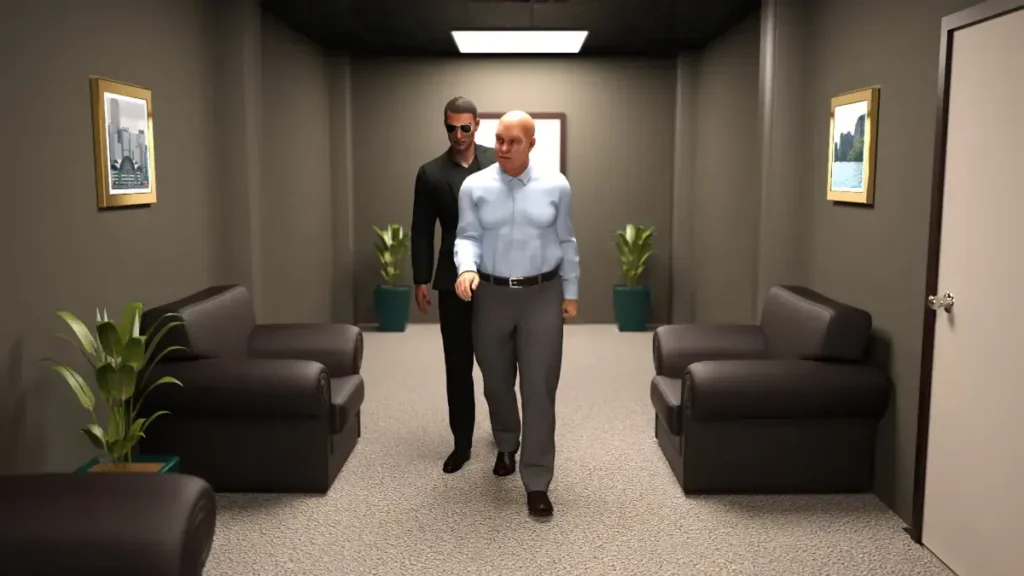









The Office review
Master interactive storytelling, character relationships, and strategic choices in this office-themed adventure
The Office adult game delivers a unique blend of interactive storytelling set in a familiar corporate environment. This narrative-driven adventure combines point-and-click mechanics with player-driven choices that shape your office romance storylines and career progression. Whether you’re exploring character relationships, managing daily tasks, or uncovering hidden story arcs, understanding the game’s core mechanics and strategic elements enhances your overall experience. This comprehensive guide walks you through everything you need to know about gameplay systems, character dynamics, and how your decisions influence the narrative.
Understanding The Office Adult Game: Core Mechanics and Gameplay Systems
Ever found yourself staring at a spreadsheet, dreaming of an office life that’s a little less… soul-crushing? One where your witty remark actually lands, your strategic planning pays off in more than just a quarterly bonus, and the connections you make feel genuinely meaningful? That’s the captivating promise of The Office adult game. It’s not just another visual novel; it’s a deep, strategic simulation wrapped in the familiar, often hilarious, trappings of corporate life. 🏢✨
What sets this experience apart is its masterful blend of interactive office game gameplay and rich, character-driven narrative. You’re not just passively watching a story unfold—you’re actively building it, one strategic decision and one carefully chosen conversation at a time. Your desk isn’t just a background prop; it’s a command center for managing your career, your relationships, and your personal journey in a world that reacts to your every move.
What Makes This Office Game Unique: Interactive Storytelling Meets Strategic Gameplay
At its heart, The Office is a masterclass in interactive storytelling. Forget linear plots where your choices are an illusion. Here, the narrative branches like a sprawling corporate flowchart, with each decision sending ripples through the entire game world. The genius lies in its setting: the office. This isn’t a fantastical realm of dragons and magic; it’s a place we all intuitively understand, which makes the stakes feel incredibly personal. 🎭💼
The authenticity is palpable. You’ll deal with looming deadlines, quirky coworkers, passive-aggressive emails, and the eternal quest for a decent cup of coffee. But layered onto this relatable foundation are the intricate systems that define The Office adult game mechanics. It’s where the mundane meets the meaningful. Completing a tedious data entry task isn’t just busywork; it boosts your Performance stat, which can unlock new dialogue options with your boss or make you eligible for a special project that opens a whole new story arc.
I remember one playthrough where I focused solely on being the office superstar, maxing out my efficiency stats. I unlocked a storyline about leading a high-stakes client presentation. In another, I played the office social butterfly, and that path revealed a completely different side of the game—secret after-work hangouts and personal confessions that never happened in my “all-work” run. This duality, where paperwork and personal growth are two sides of the same coin, is what makes the interactive office game gameplay so compelling.
Essential Gameplay Mechanics: Time Management, Dialogue Trees, and Relationship Building
Let’s get down to brass tacks. Your success in The Office hinges on mastering three interconnected pillars: how you spend your time, how you talk to people, and how you grow your skills. It’s a satisfying juggling act that makes every in-game day feel consequential.
The Clock is Ticking: Time Management and Action Points
Each morning, you start with a limited pool of Action Points (AP). This is your currency for the day, and budgeting it is the core of the time management action points daily tasks system. Do you spend 2 AP to meticulously complete your mandatory reports, ensuring a performance boost? Or do you use 1 AP for a quick, sloppy job and save the rest to chat with the intriguing new hire in the break room? Maybe you need to visit the IT department to fix your computer, an errand that costs AP but might initiate a new friendship.
This forces you to strategize. You can’t do everything, so you must build your story around your priorities. Want to romance the confident manager? You’ll need to dedicate AP to seek them out for work collaborations or “coincidental” lunch meetings. Need to increase your Creativity stat to unlock a design-focused side story? That means spending AP on training modules or personal projects after hours.
Pro Tip: Always check the weekly email bulletin! It often lists time-limited special tasks that offer huge stat rewards or unique relationship opportunities, but they’ll disappear if you don’t allocate AP to them quickly.
Consider this real scenario: Early on, I used a precious lunch-hour AP to help Gary from IT fix the department’s Wi-Fi instead of eating with my usual team. This simple time management action points daily tasks choice did three things: it boosted my Helpfulness stat, it started a hidden affinity meter with Gary, and it unlocked a new dialogue branch with him a week later when my own laptop crashed. He remembered my kindness, offered a faster, personal solution, and that conversation itself became a new scene that deepened our subplot. One small AP investment cascaded into a richer narrative thread.
The Art of Conversation: Dialogue Trees and Affinity
Every interaction in The Office is governed by a sophisticated dialogue tree system character relationships. When you talk to a coworker, you’re presented with multiple response options, each tagged with potential effects. These can be as simple as [Flirty], [Professional], [Sympathetic], or [Sarcastic]. Your choices directly feed into hidden relationship progression affinity meters for each character.
These aren’t just simple “like/dislike” bars. Your choices shape how a character perceives your personality. Consistently choosing [Driven] and [Analytical] options might make the ambitious department head respect you, while alienating the more laid-back artist in marketing. The game tracks it all, and future conversations are filtered through this established history. A character you’ve bonded with over shared sarcasm will open up to you in ways they never would for someone who’s always strictly professional.
Building Your Professional Persona: The Stat System
Underpinning your journey is a robust office game stat system. These are attributes like:
* Performance: Your efficiency and quality of work.
* Charisma: Your ability to persuade, charm, and lead.
* Creativity: Your skill in thinking outside the box for solutions.
* Helpfulness: Your reputation as a team player.
These stats act as keys. A high Charisma might unlock a persuasion check to defuse office drama. A certain level of Creativity might be required to participate in a brainstorming session that leads to a new story branch. You improve them by choosing specific tasks and dialogue options, creating a beautiful loop where how you play directly determines what parts of the story you can experience.
To see how these core systems work in harmony, let’s break it down:
| Gameplay Aspect | How It Functions in The Office | Player Impact |
|---|---|---|
| Interaction System | Dialogue trees with emotion/action-tagged choices (e.g., [Flirty], [Confront]) that influence hidden affinity meters and stat gains. | Directly shapes character relationships, unlocks exclusive scenes, and alters narrative pathways. |
| Progression Mechanics | Gaining affinity with characters and increasing core stats (Performance, Charisma, etc.) by completing specific tasks and conversations. | Stats act as gates to new story content, job opportunities, and deeper relationship milestones. |
| Daily Objectives | A mix of mandatory work tasks (for stat growth) and optional personal/social objectives (for relationship building). | Provides structure and multiple pathways for player agency, ensuring no two workdays feel the same. |
| Time Management | Limited Action Points (AP) per day force strategic allocation between tasks, socializing, stat-building, and exploration. | Creates meaningful trade-offs and reinforces the game’s central theme of balancing professional and personal life. |
Character Customization and Progression: Creating Your Perfect Office Experience
Your journey begins with a surprisingly deep character customization office game suite. You’re not just picking a pre-defined avatar; you’re crafting the protagonist of your own office saga. While you define your look, the true customization happens through your actions and your space.
Your in-game desk and apartment are canvases for expression. That quirky figurine you place on your monitor? A coworker with high affinity might comment on it, starting a conversation about shared interests. Choosing a more formal “after-work outfit” for a company dinner might impress certain characters, while a casual look could make you more approachable to others. The game notices these details, making the world feel responsive and alive. 🎨👔
Progression: Unlocking the Story Layer by Layer
The Office doesn’t use a traditional level-up system. Instead, progression is organic and narrative-driven. You “advance” by unlocking new scenes, story chapters, and relationship milestones. This is achieved by meeting thresholds in the office game stat system and the relationship progression affinity meters.
For example, reaching a “Friendly” level of affinity with your direct supervisor might unlock the option to have a candid feedback session, revealing their backstory and potentially leading to a mentorship subplot. Simultaneously, getting your Performance stat high enough could trigger a promotion event, which changes how other characters interact with you and opens up new management-related story branches.
The game, in its current extensive state (Episode 4 – 0.1 Beta Fixed), showcases a remarkable balance. The adult content is woven seamlessly into this framework of growth and connection. It’s not a separate feature; it’s presented as a potential culmination of trust, chemistry, and narrative progression with another character, making those moments feel earned and integral to the story rather than gratuitous.
Ultimately, The Office adult game mechanics are designed to give you ownership. Every choice—from how you decorate your cubicle to how you spend your last action point on a Friday—carries weight. It’s a game about the stories we build in the spaces between our tasks, the alliances we forge over coffee runs, and the personal legacy we create one strategic, heartfelt decision at a time. Whether you’re aiming for the corner office, a meaningful connection, or simply a more interesting workday, the tools are in your hands. The rest is up to your strategy and your heart. 💖🚀
The Office adult game stands out in its genre by masterfully combining interactive storytelling with strategic gameplay mechanics set in an authentically rendered office environment. From managing your limited daily actions to building meaningful relationships through dialogue choices, every decision you make shapes your unique narrative path. The game’s attention to detail—from character reactions to your customization choices to the intricate stat system—creates a living, breathing world that responds to your actions. Whether you’re drawn to the character-driven storylines, the strategic time management elements, or the multiple branching narratives, this game offers substantial depth beyond its surface appeal. Start your journey as the new hire at this familiar paper company, and discover how your choices lead to unexpected encounters, office rivalries, and memorable moments that make each playthrough distinct.