The Theater of Sinners
Play The Theater of Sinners
The Theater of Sinners Screenshots
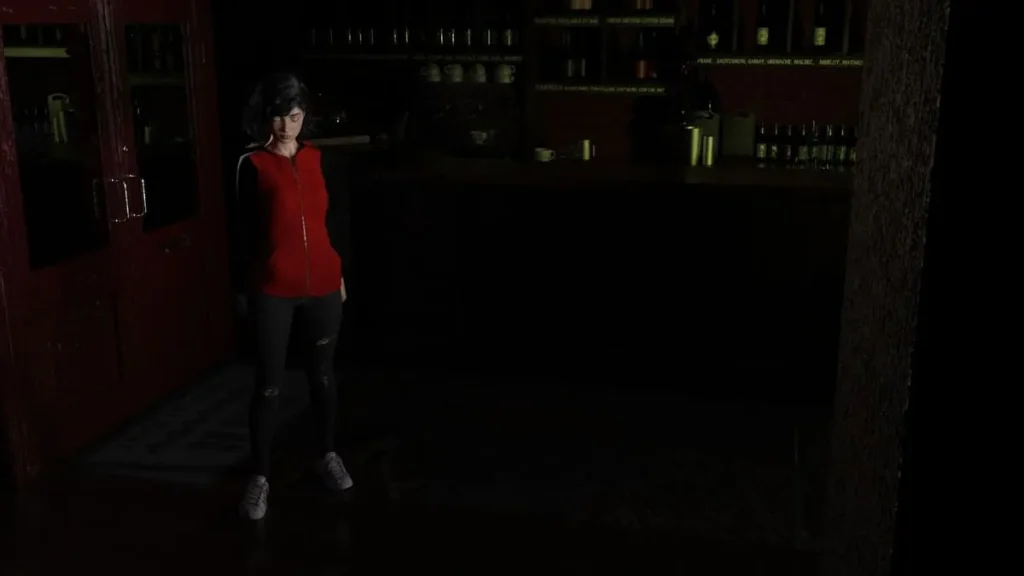
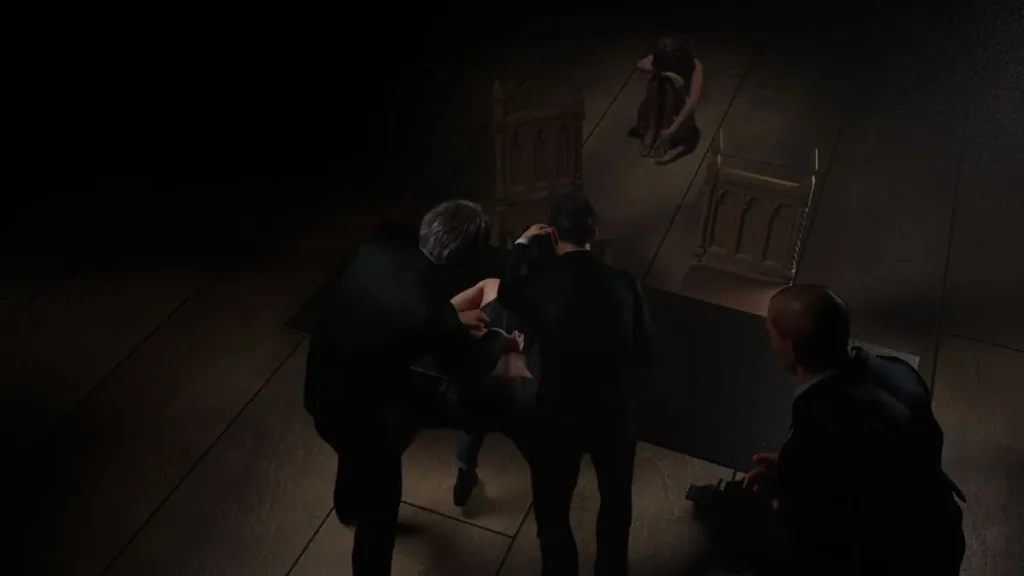
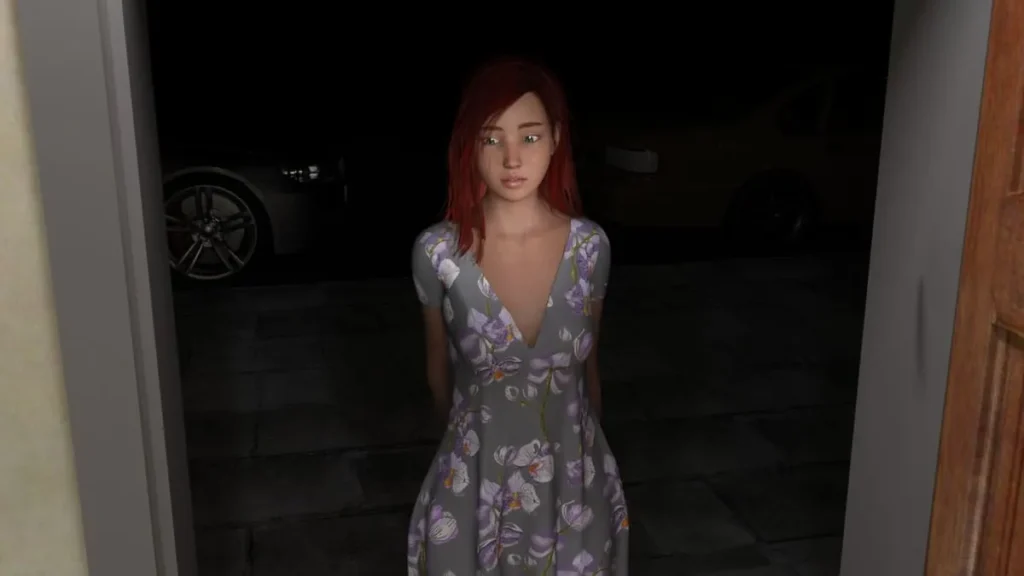
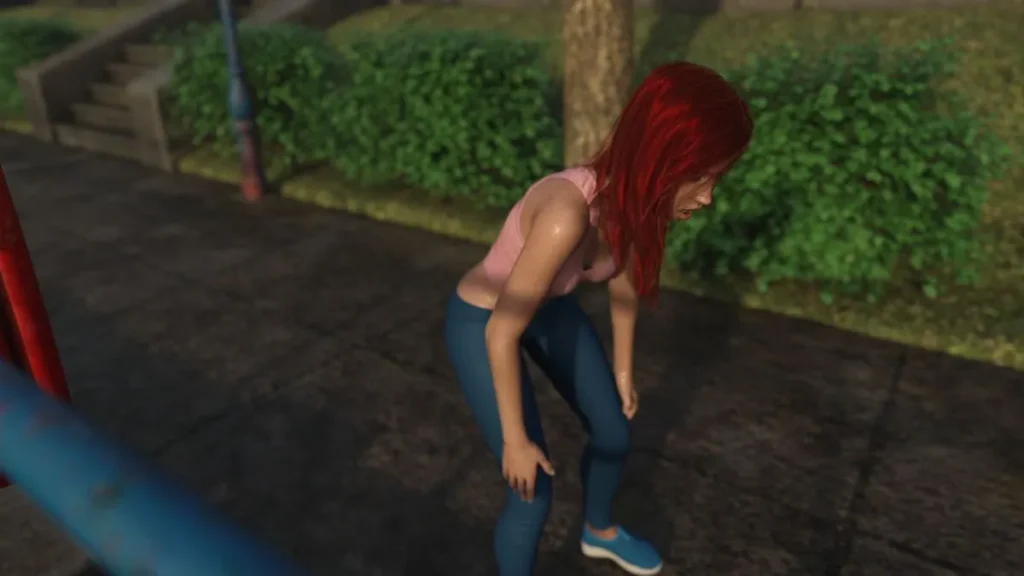
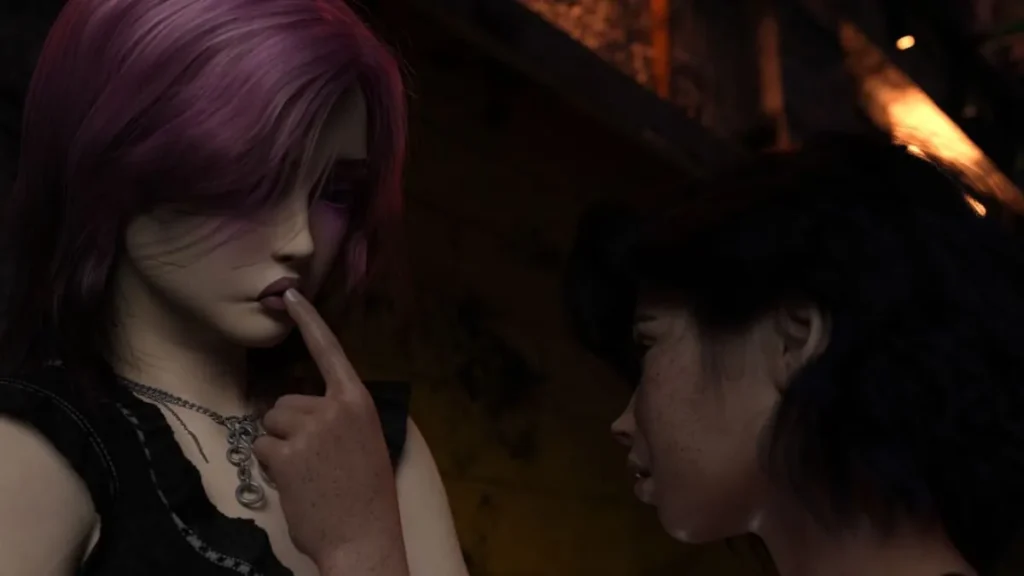
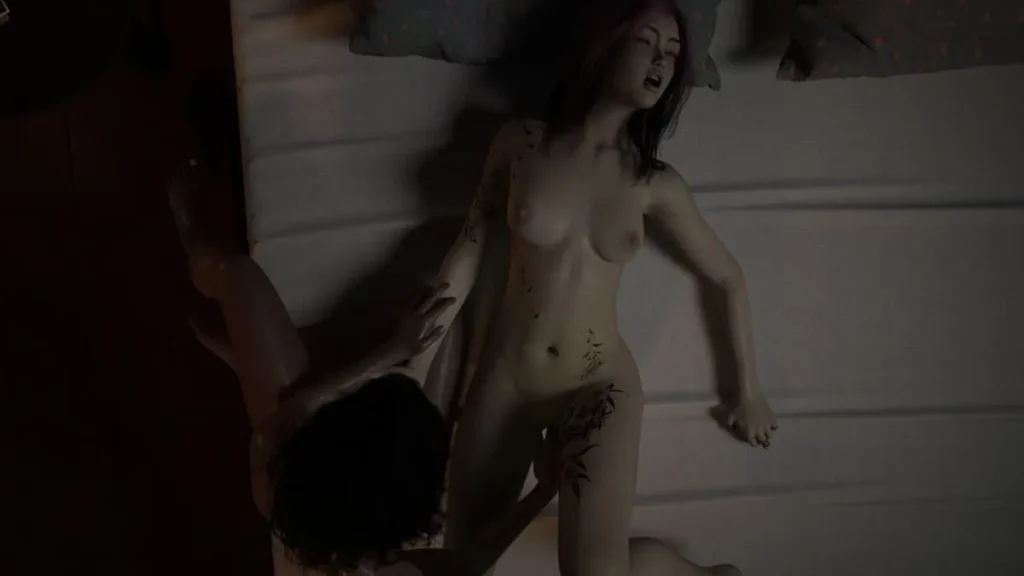
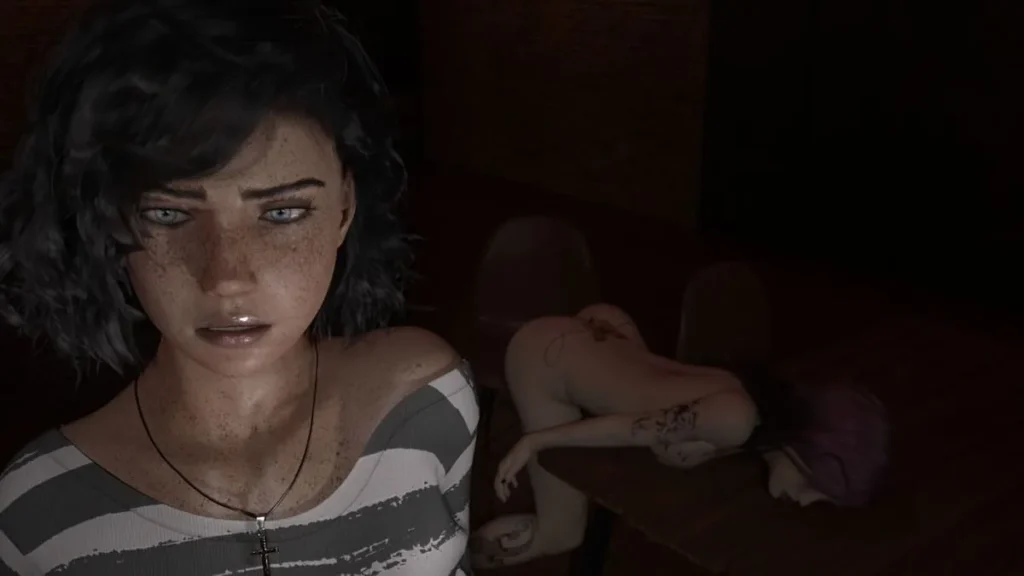


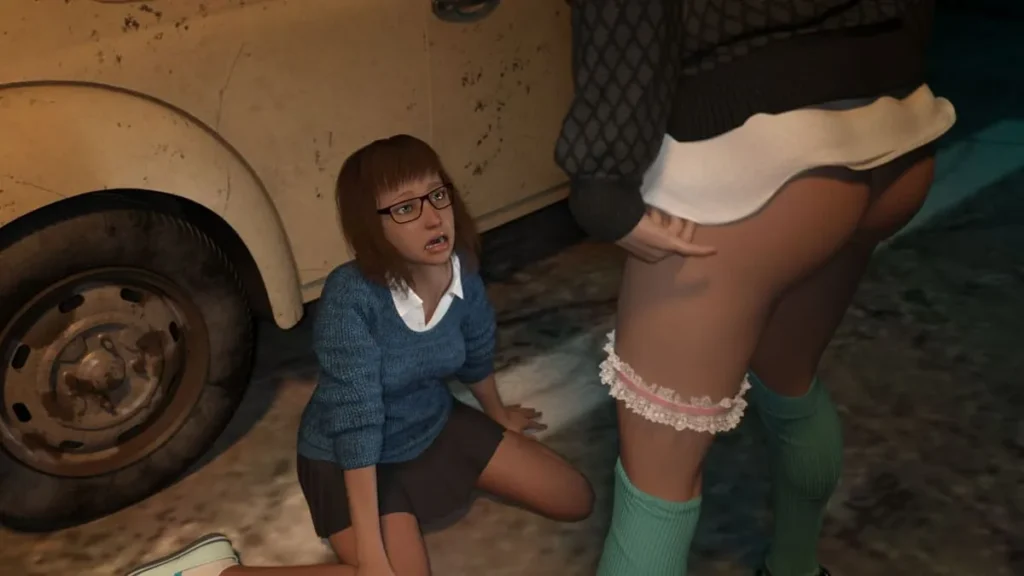
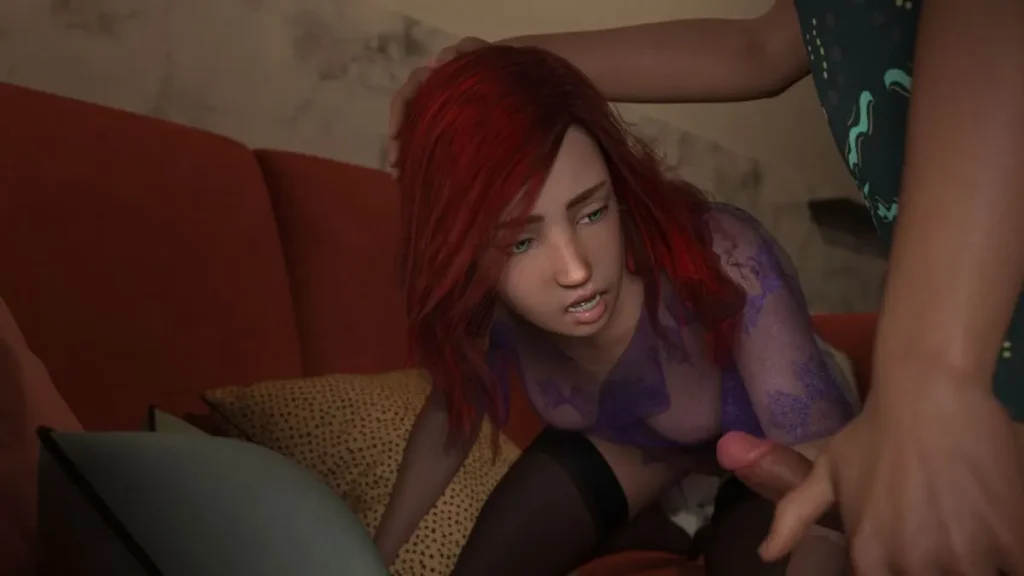
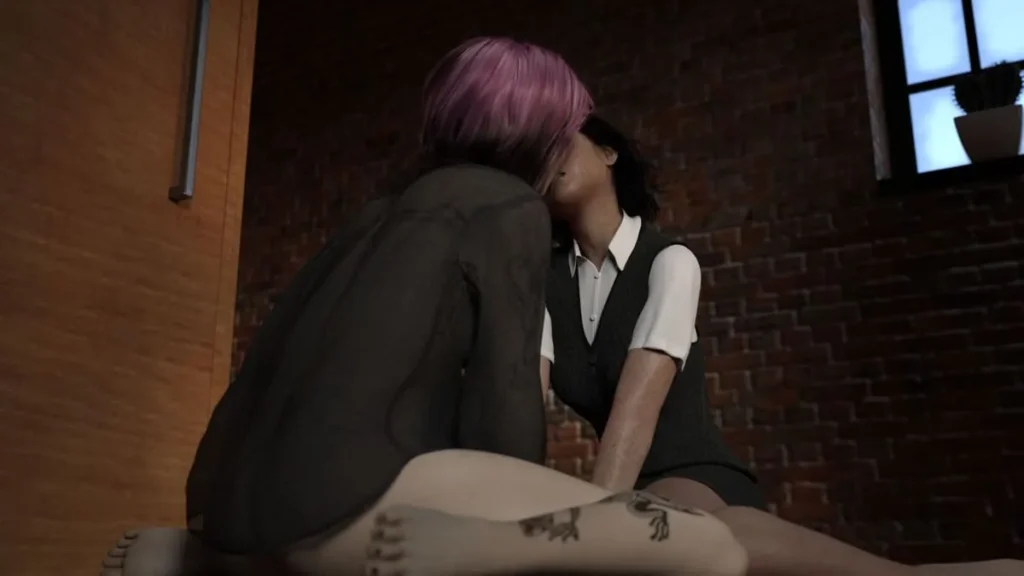
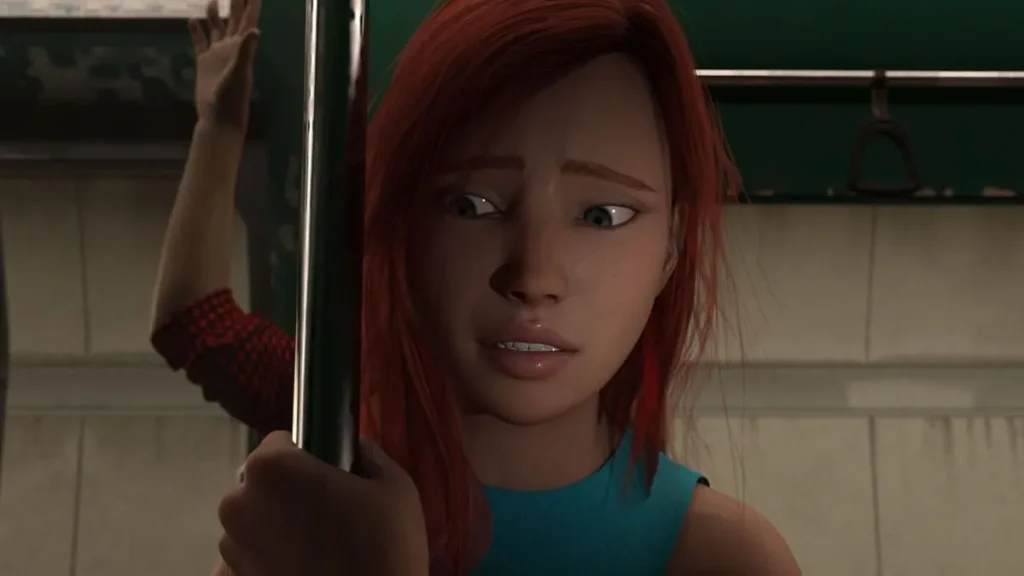


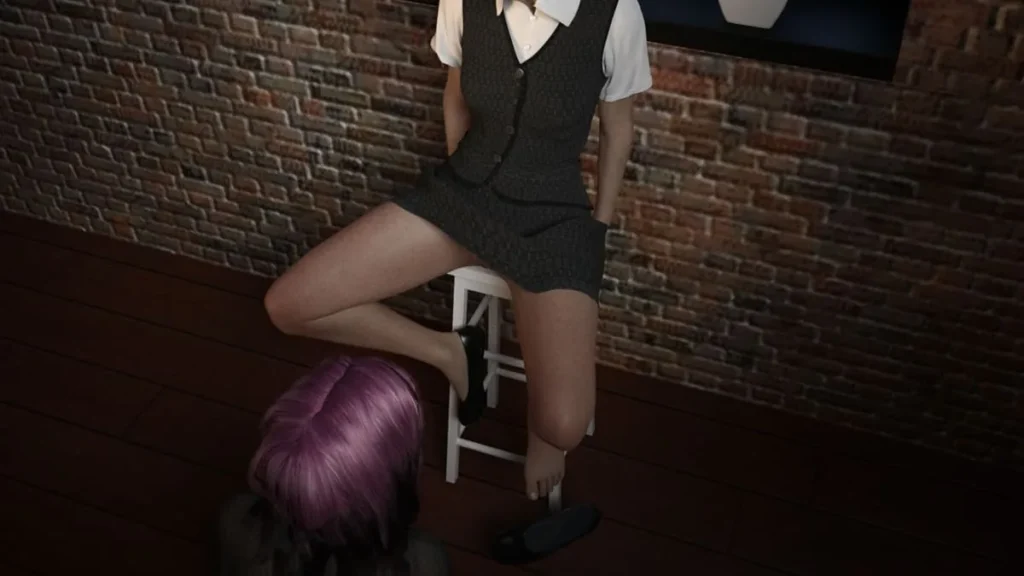
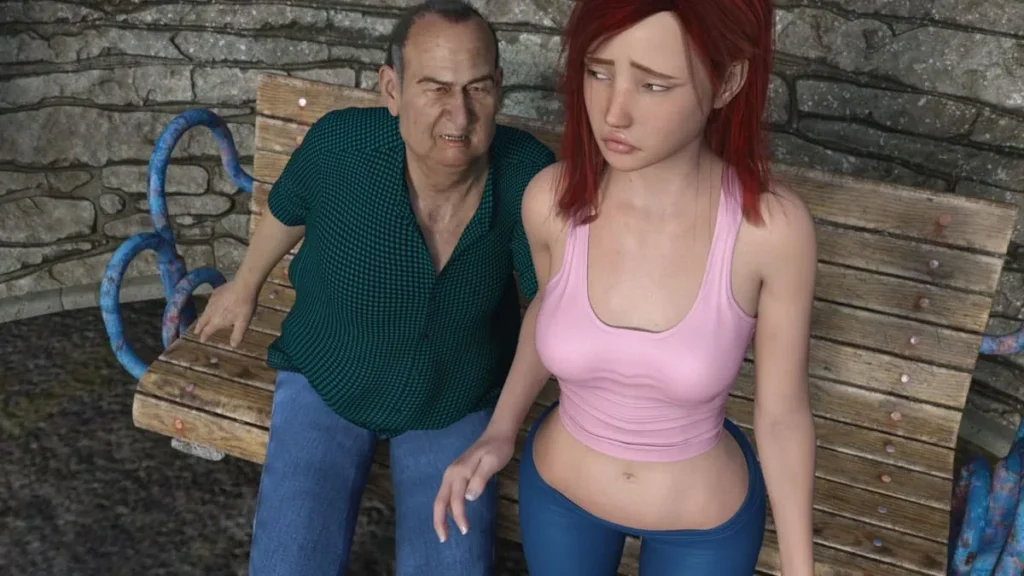
The Theater of Sinners review
Explore the narrative complexity, character development, and decision-driven gameplay of this mature visual novel
The Theater of Sinners stands out as a decision-driven psychological fantasy experience that challenges conventional storytelling in interactive media. Developed by JustXThings and currently in version 0.3 Alpha 1, this visual novel immerses players in a morally ambiguous world where choices carry genuine consequences. Rather than offering clear-cut moral paths, the game presents complex scenarios that force players to navigate ethical gray areas while building relationships with deeply flawed characters. Whether you’re drawn to narrative-heavy games, psychological depth, or unconventional storytelling, understanding what makes this experience unique can help you decide if it aligns with your gaming preferences.
Understanding The Theater of Sinners: Core Gameplay and Narrative Structure
Let’s be honest—when you hear “game,” your mind probably jumps to mastering complex controls, scoring headshots, or grinding for better loot. 🎮 But what if the most intense challenge you could face was simply choosing the right words? What if the only skill that mattered was understanding the fragile, flawed human beings on your screen? That’s the arena The Theater of Sinners invites you into, and it’s a complete paradigm shift.
This is a character-driven narrative game that strips away everything you might expect. There are no quick-time events, no inventories to manage, and certainly no health bars. Your entire interface with this world is your judgment, your empathy, and your willingness to make tough calls. The core of The Theater of Sinners gameplay is a masterclass in psychological immersion, proving that the heaviest consequences can come from the lightest click.
What Makes This Visual Novel Different From Traditional Games
Forget expansive open worlds and intricate combat systems. The stage for this experience is the Grand Théâtre des Ombres (Grand Theater of Shadows), a secretive, supernatural venue where the elite settle scores and act out their darkest fantasies. 🎭 You don’t play a hero gearing up for battle; you step into the worn shoes of a playwright and director, tasked with scripting real human drama for a paying, ruthless audience.
This fundamental shift is what defines it as a Ren’Py psychological fantasy game. The Ren’Py engine is perfect for this—it’s built for storytelling, not sword fighting. The “gameplay” is the act of reading, listening, and deciding. The tension doesn’t come from a boss’s attack pattern, but from a dialogue option hovering on the screen, each one a pebble that might start an avalanche.
Think of it like this: in a traditional game, you might solve a character’s problem by finding a key or winning a duel. Here, you solve it—or catastrophically worsen it—by navigating a tense conversation at a cocktail party, or by choosing which of two desperate people to believe. The environment itself is a character. The ornate, decaying theater with its phantom audience becomes a metaphor for the game’s core: we are all performers, and our choices are the scripts we live by. The horror here isn’t about jump scares; it’s an atmospheric dread that seeps in as you realize the true nature of the Theater and your role in it.
The Decision-Based Mechanics That Shape Your Story
So, how do your choices actually work? This isn’t a simple “good vs. evil” slider. The Theater of Sinners operates on a brilliantly intricate system of branching storyline mechanics that values subtlety over spectacle.
Your decisions primarily influence two key areas: narrative branches and character attributes. Early on, you’ll define your protagonist’s core traits—like Empathy, Cunning, Resolve, or Oblivion (a fascinating stat representing willful ignorance). These aren’t just numbers on a sheet; they are the lenses through which future choices are filtered, and they can open or lock doors you didn’t even know existed.
A Tip from My Playthrough: The game rarely signposts “THIS IS A MAJOR DECISION.” Sometimes, the most casual, throwaway line of dialogue can be the one that defines your entire relationship with a key character.
Let me give you a concrete, spoiler-light example from one of my first runs. Early in Paula’s story, you’re pressured by a powerful, charming patron of the Theater. In a moment of perceived pragmatism (or sheer panic), I agreed to a vague “future favor.” It felt like a harmless way to ease the immediate tension. 🤝
I didn’t realize I had just informally pledged allegiance. Chapters later, when a critical conflict erupted between factions, my options were severely limited. That early, poorly considered “yes” had quietly woven threads of obligation around me, locking me into an alliance with consequences that turned brutally personal. The game didn’t warn me. It just remembered, letting the consequence-based game choices unfold with devastating narrative logic. There is no handy “quest journal” listing your alliances—you have to live with the ambiguity, just like in real life.
This is the heartbeat of the Theater of Sinners story structure. The game is famously non-linear; you can experience many events in different orders. But your stats and prior choices travel with you, meaning the context of each event is uniquely yours. A scene played with high Empathy might be a moment of heartbreaking connection, while the same scene with high Cunning becomes a tense negotiation. You’re not just branching the plot; you’re shaping the very thematic resonance of every moment.
| Choice Type | What It Affects | Example Outcome |
|---|---|---|
| Dialog Response | Immediate character reaction, relationship points, and potential stat increases. | Choosing a compassionate line might boost Empathy and make a character trust you, but mark you as “soft” to others. |
| Action Selection | Direct narrative branch, often locking out other paths for the rest of the playthrough. | Deciding to investigate a secret alone versus bringing an ally can lead to completely different discoveries and dangers. |
| Stat-Checked Option | Opportunities that only appear if a specific attribute (e.g., Resolve) is high enough. | A high Oblivion stat might give you the option to ignore a disturbing truth, preserving your sanity but leaving you vulnerable. |
How Character Development Drives the Narrative Forward
In many games, characters exist to serve the plot. In The Theater of Sinners, this is masterfully reversed: the plot exists entirely to serve character development. Every supernatural twist, every dark secret of the Theater, is a tool to expose the raw nerves of its cast. This is where the game earns its title as a psychological fantasy—the fantasy elements are a pressure cooker, forcing very human pathologies to the surface. 👥
You’ll navigate four interleaved stories, most notably those of Paula and Rebecca. Paula might be grappling with guilt and a search for redemption, while Rebecca’s arc could center on ambition and the cost of freedom. The game doesn’t hand you their backstories in a dump; you piece them together through their reactions, their fears, and the choices they approve or condemn in you.
Your role as the player-director is profoundly meta. You are literally crafting their dramatic arcs through your decisions, yet they often feel terrifyingly autonomous. You might want Rebecca to be stronger, so you push her toward confrontational choices. But the game might reveal that her “strength” is actually a brittle facade hiding trauma, and your push could shatter her. The development isn’t about making characters “level up” in a traditional sense; it’s about guiding them toward brutal self-awareness or comforting delusion.
This creates an unparalleled emotional investment. The game makes you care deeply about these beautifully written, broken people. And then, with cold precision, it makes you responsible for what happens to them. There is no “game over” screen that absolves you of blame. When a character suffers because of a chain of decisions you set in motion, that consequence lives with you, not just your save file. The decision-based visual novel format is the perfect vehicle for this, as your primary interaction is the one most suited to building relationships: conversation.
The ultimate genius of The Theater of Sinners gameplay is its rejection of moral simplicity. You won’t find a “Paragon” or “Renegade” score. You’re just a person, making human choices with the limited information you have, in a world where every action ripples outward with unseen force. It’s a haunting, mature, and unforgettable experience that redefines what interactive storytelling can achieve, proving that the most compelling fantasy is one rooted in the terrifying complexity of the human heart. ❤️🔥
The Theater of Sinners represents a distinctive approach to interactive storytelling that prioritizes psychological depth and narrative consequence over traditional gameplay mechanics. By combining character-driven narratives with decision-based gameplay, the game creates an experience where player choices genuinely matter and shape the destinies of complex, flawed characters navigating a morally ambiguous world. The game’s exploration of themes like corruption, redemption, trauma, and the cycle of pain offers players more than surface-level entertainment—it provides a vehicle for examining difficult human experiences and ethical dilemmas. Whether you’re drawn to psychological narratives, unconventional romance, or games that challenge your moral judgments, understanding what The Theater of Sinners offers helps you make an informed decision about whether this experience aligns with your interests. The game’s ongoing development and free-to-play model make it accessible for those curious about exploring its unique narrative landscape, while the developer’s transparent content warnings ensure players can make choices aligned with their comfort levels.