
Becoming a Femboy
Play Becoming a Femboy
Becoming a Femboy Screenshots
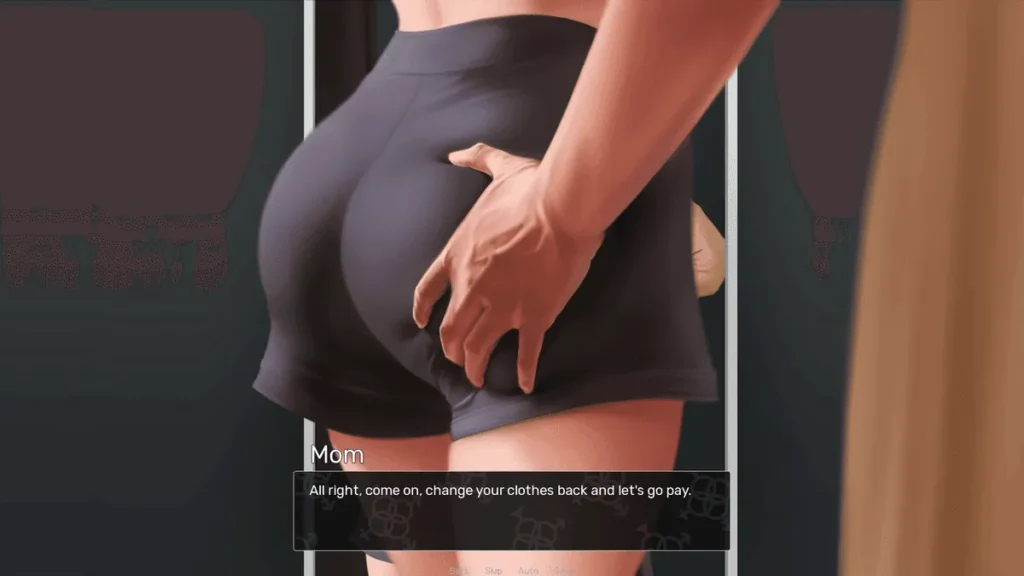


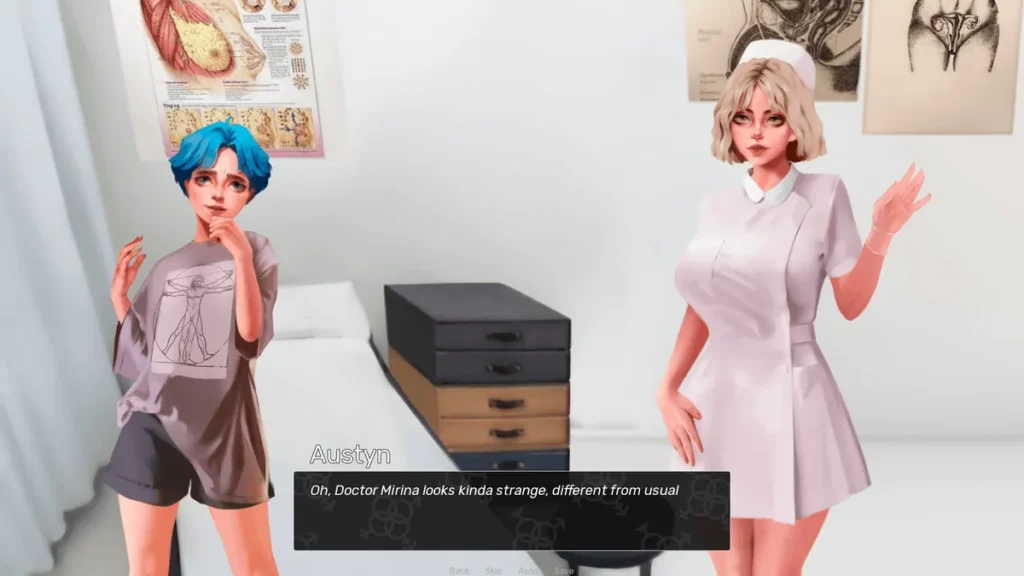

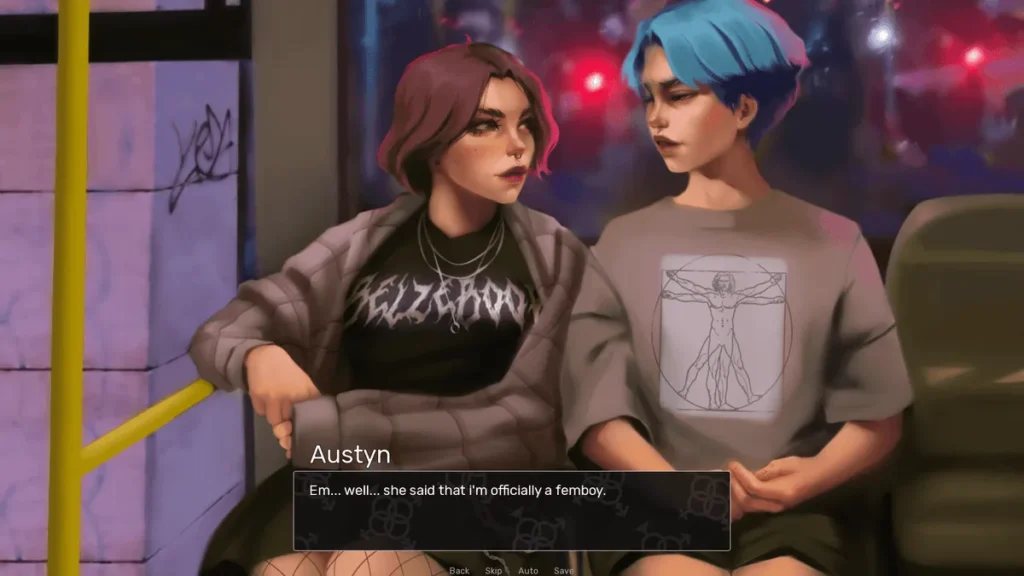


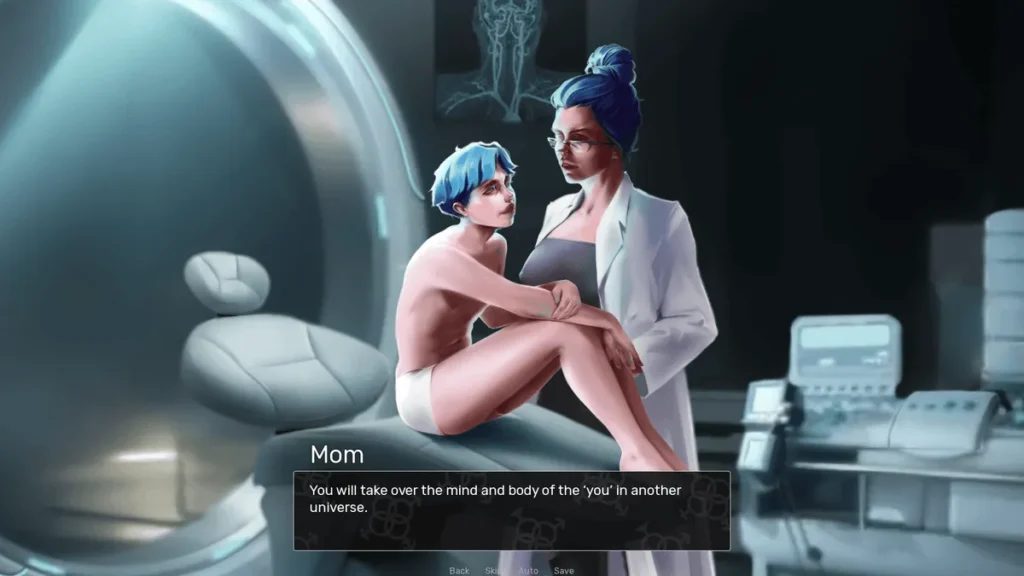

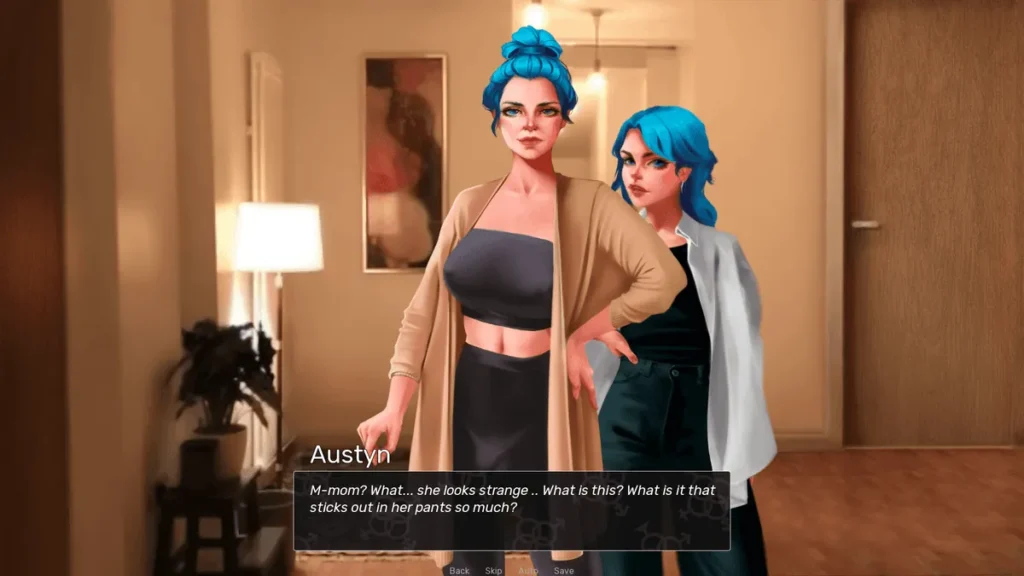
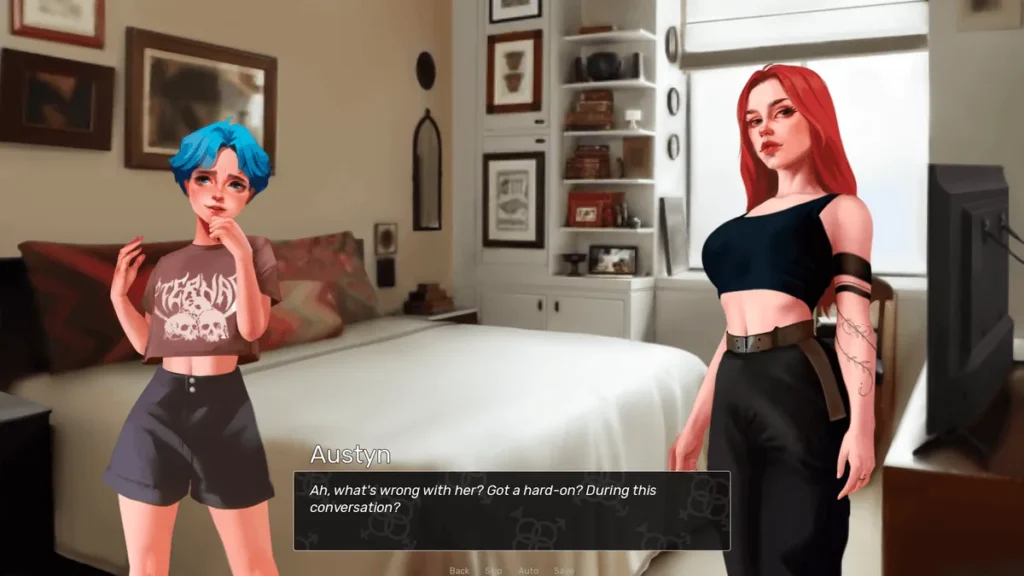



Becoming a Femboy review
Explore the narrative, character development, and gameplay mechanics of this indie visual novel
The indie gaming scene continues to expand with diverse narrative experiences, and ‘Becoming a Femboy’ stands as a notable entry in the visual novel genre. This game combines storytelling with character-driven gameplay, offering players an immersive first-person experience. Whether you’re curious about the game’s mechanics, character development, or overall narrative structure, this guide provides comprehensive insights into what makes this title unique. Understanding the game’s approach to character interaction, dialogue systems, and thematic elements can help potential players determine if it aligns with their interests.
Understanding the Game’s Narrative Structure and Character Development
Stepping into the world of Becoming a Femboy feels less like launching a game and more like opening a personal journal—one where you hold the pen, but the characters have a surprising amount to say about the direction of the story. 😊 As a fan of indie game storytelling, what struck me first wasn’t just the premise, but how intimately the visual novel narrative structure is crafted to make you feel every step of the protagonist’s journey. This isn’t a sprawling epic; it’s a focused, heartfelt slice-of-life where every conversation, every glance, and every choice you make weaves the fabric of a deeply personal tale about identity and connection.
The game masterfully uses a first-person narrative perspective, putting you directly in the shoes of the main character. You see the world through their eyes, and their internal monologue becomes your own. This immediate immersion is a hallmark of powerful indie game storytelling, creating a bond between player and protagonist that is essential for the themes explored. Let’s dive into how this narrative is built, how the characters come to life, and how your words truly shape the world around you.
How Does the Story Unfold in This Visual Novel?
The visual novel narrative structure in Becoming a Femboy is elegantly straightforward yet deeply effective. The plot progresses in a linear-chapter format, but the emotional and relational pathways within those chapters are where your agency shines. The story begins with the protagonist moving to a new city, a classic setup that symbolizes a fresh start and the perfect blank canvas for self-discovery.
From this starting point, the game introduces its core hub: a cozy, welcoming café. This setting isn’t just a backdrop; it’s the narrative’s engine. 🏙️☕ Each in-game day or chapter typically involves a decision about how to spend your time—will you go to the café and potentially run into Hazel? Or will you explore another location, perhaps your new apartment, to reflect or engage in a hobby? These macro-choices funnel you into the micro-interactions that define the game.
The pacing is deliberate and character-driven. Rather than overwhelming you with plot twists or external drama, the game allows tension and interest to arise naturally from character relationship dynamics. A typical chapter might involve a single, significant conversation that peels back a layer of a character’s personality or advances your understanding of the protagonist’s own feelings. This slow-burn approach is a strength, making moments of emotional revelation feel earned and authentic. The indie game storytelling prioritizes emotional truth over convoluted plots, letting the game character arcs develop at a human pace.
Tip from my playthrough: Don’t rush. The beauty of this visual novel narrative structure is in the quiet moments. Spending a “day” alone in your apartment isn’t wasted time; it’s often where the protagonist’s most poignant internal reflections occur, adding crucial depth to their character development in games.
Character Introductions and Relationship Dynamics
The heart of this experience lies in its cast. The game avoids info-dumps, instead introducing characters through natural, often mundane interactions that reveal who they are. The character development in games here is a masterclass in “show, don’t tell.”
The Protagonist (You): As a first-person narrative game, your character is defined by your choices, but they have a core personality: thoughtful, a little anxious, and on a journey of exploration. Their past is hinted at, making their current quest for self-expression and community feel grounded. Their game character arc is fundamentally about gaining the confidence to outwardly express an inner truth, and every dialogue choice is a step on that path.
Hazel: A Case Study in Introduction ✨
Hazel isn’t just a love interest; she’s a catalyst and a mirror. Your first meeting at the café is beautifully understated. She’s not presented as a mythical figure, but as a regular person—confident, kind, and subtly stylish. The initial dialogue options are simple: be nervous, be polite, or observe quietly. This low-stakes introduction establishes the tone for your entire relationship. She responds to your energy, and her reactions in this first scene set the trajectory for whether your connection will be one of mentorship, friendship, or romance. Her own character relationship dynamics with the world are shown through how she treats other café patrons, instantly painting a picture of someone who is both self-assured and genuinely caring.
Supporting Characters: While Hazel is central, other characters like fellow café employees or regulars provide additional layers to the world. They have their own mini-arcs and backstories that enrich the main narrative. A grumpy-but-kind baker might have a story about traditional expectations, offering a different perspective on societal norms. These interactions reinforce the theme that everyone is fighting their own battle and exploring their own identity, creating a rich tapestry of indie game storytelling.
The character relationship dynamics are the primary driver of the plot. Relationships don’t just progress based on “correct” choices, but on consistent character alignment. Are you open and vulnerable with Hazel? Or do you deflect with humor? The game remembers, and the dynamics shift accordingly. This creates a profoundly personal experience where no two players’ relationships are exactly alike.
| Character | Role in Narrative | Key Personality Trait | Impact on Protagonist’s Arc |
|---|---|---|---|
| The Protagonist | Player Avatar & Central Consciousness | Introspective, Seeking | Undergoes the core journey of self-acceptance and expression. |
| Hazel | Catalyst & Potential Partner | Confident, Nurturing, Authentic | Provides a model of self-assurance and a safe space for exploration. |
| The Baker (Example) | Community Anchor & Foil | Gruff, Traditional, Kind-hearted | Represents external societal views, offering challenges and unexpected support. |
Dialogue Systems and Player Agency
This is where Becoming a Femboy truly empowers you. The dialogue choices and player agency are seamlessly integrated, making you feel responsible for the tone and outcome of every interaction. The system is deceptively simple: during conversations, you are typically given 2-4 response options. However, these aren’t just “Good,” “Neutral,” or “Bad” responses.
Instead, choices reflect emotional states and relational approaches. You might choose between a response that is:
* Open and Honest: Sharing a personal fear or dream.
* Playful and Flirtatious: Testing the waters with humor.
* Reserved and Cautious: Keeping the conversation safe and surface-level.
* Inquisitive: Asking a question to steer the focus onto the other character.
The brilliance lies in the lack of a visible “points” system. You’re not gaming a meter; you’re building a personality and a relationship through consistency. The game’s internal logic tracks your pattern of behavior, which influences how characters perceive you and what narrative branches become available later. This is player agency at its most organic—it feels like a real conversation where your chosen attitude has consequences.
Key Dialogue Choices and Their Potential Outcomes: 🎮
* Early-game choice with Hazel: When asked about your move, choosing “I needed a fresh start to figure myself out” sets an immediate tone of vulnerability. This can unlock deeper, more intimate conversation threads earlier, fast-tracking a trusting bond. Choosing “Just time for a change, I guess” keeps things breezy, potentially extending the “getting to know you” phase but building a different kind of relaxed friendship.
* Mid-game conflict choice: If a moment of insecurity arises, picking “I’m worried what people will think” leads to a supportive, reassurance-focused scene, deepening emotional dependency. Choosing “I’m figuring it out for me, that’s what matters” demonstrates growing internal confidence, which characters will notice and admire, shifting the character relationship dynamics towards mutual respect.
* Hobby-related choice: Deciding to share a creative hobby (like fashion or art) through dialogue often opens up entirely new activity options and scenes, literally changing what you can do in the game world. This beautifully ties dialogue choices and player agency to tangible gameplay expansion.
The game also uses internal monologue brilliantly. Before many choices, you’ll see the protagonist’s unfiltered thought. You then choose the externalized version of that thought. This gap between internal feeling and spoken word is where the core tension—and growth—lives. It’s a powerful mechanic that puts you directly in the headspace of someone navigating self-expression.
Ultimately, the visual novel narrative structure of Becoming a Femboy succeeds because every element is in service of character and theme. The café setting provides a constant, safe stage for interactions. The deliberate pacing gives weight to small breakthroughs. The dialogue choices and player agency make you an active author in a story about finding your voice. And through its focus on authentic character development in games and nuanced character relationship dynamics, it creates a memorable experience that resonates long after the final choice is made. It stands as a shining example of how first-person narrative games can foster empathy and tell stories that are both uniquely personal and universally relatable.
The ‘Becoming a Femboy’ game represents an interesting entry in the visual novel genre, offering players a narrative-driven experience centered on character interaction and relationship development. The game’s approach to storytelling through dialogue choices and character-focused gameplay creates an immersive environment where player decisions shape the overall experience. Understanding the narrative structure, character dynamics, and gameplay mechanics provides valuable context for anyone considering playing this title. Whether you’re drawn to visual novels for their storytelling, character development, or interactive elements, this game offers a specific type of narrative experience worth exploring if it matches your interests.