
Long Road Home
Play Long Road Home
Long Road Home Screenshots




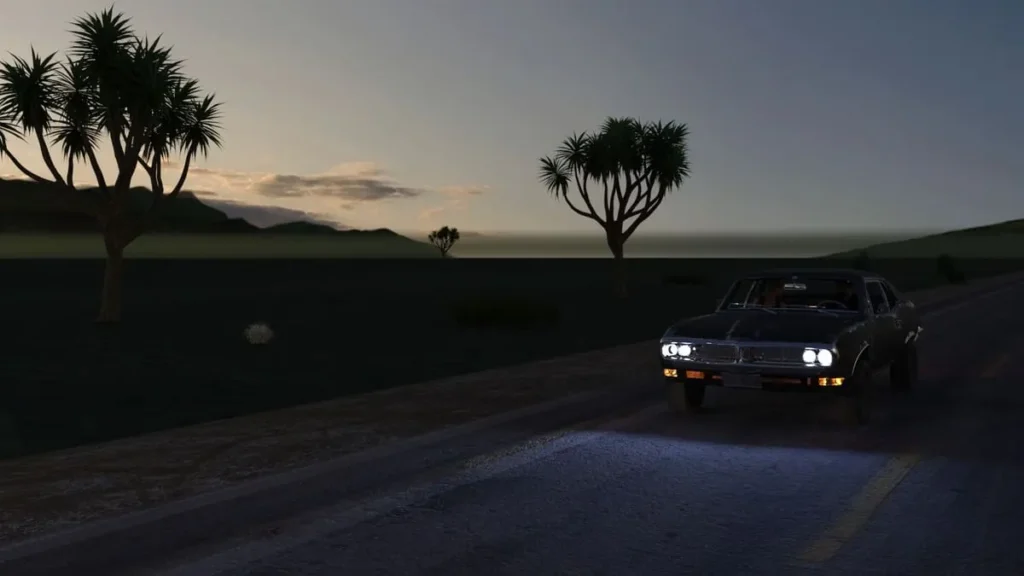



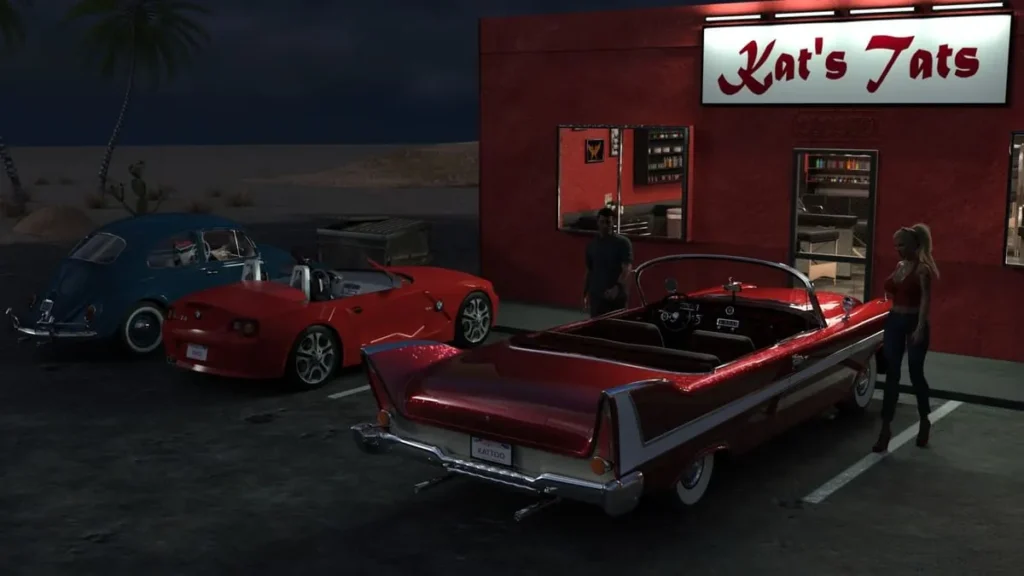






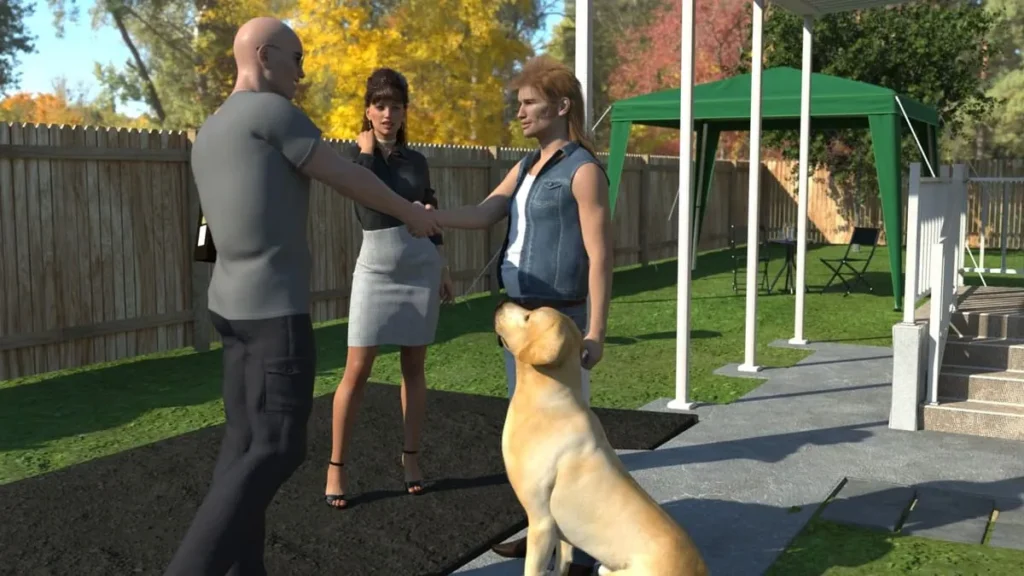










Long Road Home review
Navigate biker gangs, deep stories, and life choices in this gripping visual novel
Imagine stepping out of prison gates, heart pounding, with nothing but echoes of the past haunting you—that’s where Long Road Home drops you right in. This visual novel by OBD Games isn’t just a game; it’s a raw journey of a combat vet grappling with mental chains while dodging biker gang wars and chasing redemption. With over 300 story outcomes, intimate character moments, and strategic choices that hit hard, Long Road Home blends RPG depth with narrative twists. I’ve sunk hours into it, and let me tell you, one wrong flirt or fight can shatter everything. Ready to hit the long road home?
What Makes Long Road Home Gameplay So Addictive?
I remember sitting down for my first attempt at the Long Road Home gameplay, controller in hand, and feeling a bizarre sense of déjà vu. My character, Vin, had just stepped out into the sunlight after years behind bars. The game gave me my first real choice: head straight to the bus station or take a detour through a rundown alley. I chose the alley, thinking I’d find a shortcut. Instead, I found a world that was just as confining as the prison I’d left—a world of suspicion, scarce resources, and gangs eyeing me like fresh meat. That’s the genius of this game; your prison release in Long Road Home isn’t the end of your sentence, it’s just the beginning of a different kind of test. 🚬
You’re not just reading a story; you’re living one fraught with constant, meaningful pressure. Ever wondered if flirting could save your last bit of cash at a bar, or if picking a fight would earn you respect or a knife in the ribs? This is the core of the experience. The Long Road Home choices you make don’t just change a line of dialogue; they alter your route, your relationships, and your very survival. Let’s dive into what makes this visual novel mechanics Long Road Home blend so uniquely addictive.
How Prison Release Shapes Your Choices
The moment those gates clang shut behind Vin is your first true breath of agency. But it’s a poisoned chalice. You’re free, but you have nothing: no money, no trusted allies, and a past that haunts every interaction. This foundational setup is critical to understanding how to play Long Road Home. You’re not a hero; you’re a survivor, and the game brilliantly uses your character’s background to weight every decision.
Did you choose the soldier backstory? You might find it easier to intimidate or notice tactical advantages in a tense standoff. Opt for the con artist history? Sweet-talking and deception options glow more brightly. This isn’t just cosmetic. Your pre-prison life unlocks specific dialogue branches and solutions to problems that other backgrounds simply can’t access. It makes your playthrough feel uniquely yours from the very first menu.
The psychological toll of incarceration is also a constant companion. You’ll face choices that test your patience and paranoia. Do you trust the kindly mechanic offering a cheap fix, or is it a setup? The game often presents the safer, more cynical choice as the tempting one—because in Vin’s world, trust got him locked up. Navigating this mindset, deciding when to finally lower your guard, is one of the most compelling emotional journeys in the game.
Biker Gangs and Survival Mechanics Explained
Ah, the biker gangs in Long Road Home. They’re not just set dressing; they’re the ecosystem you must learn to navigate. From the moment you cross paths with the first patch-wearing enforcer, you realize this is a key pillar of the Long Road Home gameplay. Interaction with these factions is a delicate dance of respect, threat, and trade.
Resources are everything. You manage a slim inventory of cash, stamina, fuel, and “favor” with different groups. A biker gang scenario might play out like this: You roll into a makeshift camp run by the “Rust Kings.” They control the only fuel pump for miles. You’re running on fumes. You can:
* Pay (if you have the scarce cash).
* Offer to do a job for them (costs stamina and time, might open a new story branch).
* Try to intimidate or steal (high risk, potentially lethal).
* Use a social connection, like romancing a member you helped earlier, for a discount.
This is where the game’s fail-forward design shines. I once tried to steal fuel and got caught red-handed. I lost my truck and was left for dead on the roadside. Game over? Nope. This “loss” triggered a darker, grittier story branch where I was picked up by a rival gang, giving me access to a whole new plotline I’d never have seen otherwise. Every setback writes a new chapter.
‘One decision cost me my truck—pure genius in tension building!’
The visual novel mechanics in Long Road Home are elevated by this layer of survival strategy. It’s not just about picking what to say; it’s about managing a very fragile existence on the road.
Unlocking 300+ Story Outcomes with Smart Decisions
This is the big one. The promise of 300+ Long Road Home story outcomes isn’t marketing fluff; it’s the direct result of a deeply interconnected choice system. Every dialogue option, every stolen glance or refused request, sends tiny ripples through the narrative pond that can turn into tidal waves hours later.
The game communicates potential consequences through a simple but effective color-coded interface for your Long Road Home choices:
* Red typically signals aggression, conflict, or a decisive break.
* Blue leans toward diplomacy, agreement, or calm resolution.
* Green often opens doors for deeper connection, romance, or intimacy.
But here’s the catch: the “right” color depends entirely on who you’re talking to and what you want. A red choice with a gang leader might earn respect. That same red choice with a potential ally might make them an enemy for life.
Let me give you a case study from my playthrough. Early on, I met a stranded driver by the side of the road. Low on stamina and eager to reach the next town, I chose the blue “apologize and move on” option instead of the green “stop and help.” It seemed inconsequential. Fast forward five hours: my truck breaks down in the middle of nowhere. The game flashed back to that stranded driver—he was a mechanic. Because I ignored him, I had no one to call. That small, earlier choice directly resulted in a massive, costly delay and closed off a whole friendship path.
To help visualize the impact, here’s a breakdown of the core choice paths:
| Path Color | Typical Effect | Example Outcome |
|---|---|---|
| Red | Conflict, Assertion of Power | Challenging a gang lieutenant leads to a fistfight, earning wary respect but closing off trade options. |
| Blue | Diplomacy, Caution, Agreement | Negotiating peacefully with a roadblock yields safe passage but may cost precious supplies as a “toll.” |
| Green | Intimacy, Connection, Offer of Help | Sharing your food with a stranger unlocks their personal questline and gains you a loyal ally in a future city. |
So, what’s the actionable advice for navigating this web?
- Balance Your Resources: Don’t blow all your stamina on jobs or all your cash on gear. You never know when you’ll need a reserve to bribe your way out of trouble or run from a fight.
- Listen Actively: The game’s writing is dense with clues. A character’s offhand remark about liking whiskey might be the key to getting them on your side three chapters later.
- Embrace the Rollercoaster: Not every outcome will be “good” in a traditional sense. Sometimes, the most memorable Long Road Home story outcomes come from catastrophic failures that lead to brilliant, tragic new narratives. Play authentically, not perfectly.
- Specialize Your Relationships: You can’t be everyone’s friend and enemy. Pick a couple of factions or characters to invest in deeply through consistent green or red choices. Trying to please everyone often leaves you isolated.
In the end, the Long Road Home gameplay loop is addictive because it respects your intelligence and rewards your emotional investment. It’s more than a typical visual novel; it’s a survival RPG dressed in a gripping narrative, where every click carries weight. The replayability is off the charts—not just to see a different ending screen, but to live a completely different journey across America’s broken heartland.
Ready to see how your relationships crystallize in the final act? In the next section, we’ll map the emotional endgames and explore which bonds will truly last until the end of your long road. 🏍️
Long Road Home isn’t just a visual novel—it’s your ticket to a world of gritty choices, biker rivalries, and paths to redemption that linger long after the credits. From my countless runs, the real magic is in those gut-wrenching decisions that redefine who you become. Whether you chase alliances, build intimate bonds, or fight for survival, every road leads to unforgettable stories. Dive in today, grab the latest episode, and carve your own long road home. What’s your first choice going to be? Hit play and find out.