Love Season: Farmer’s Dreams
Play Love Season: Farmer’s Dreams
Love Season: Farmer’s Dreams Screenshots
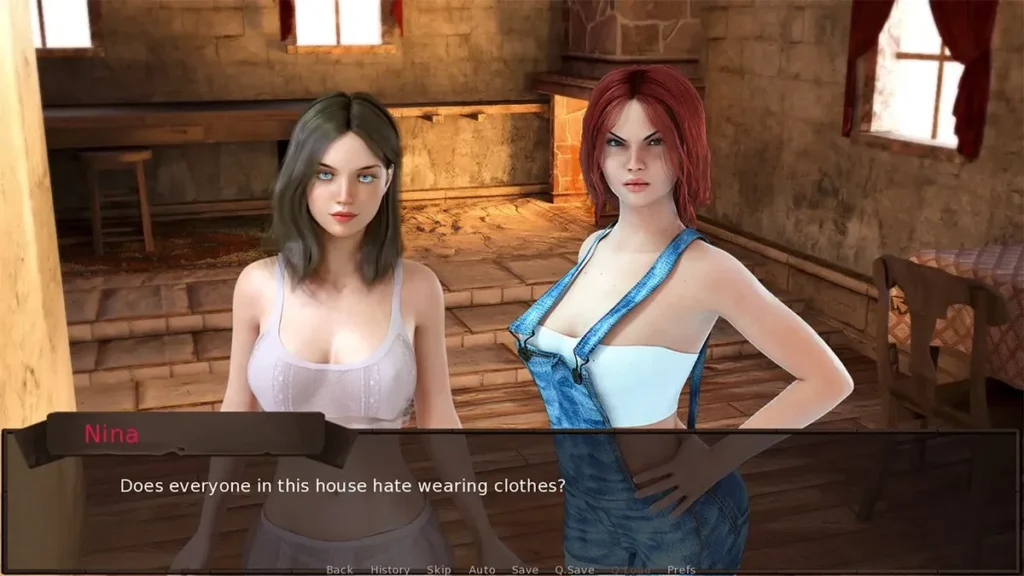


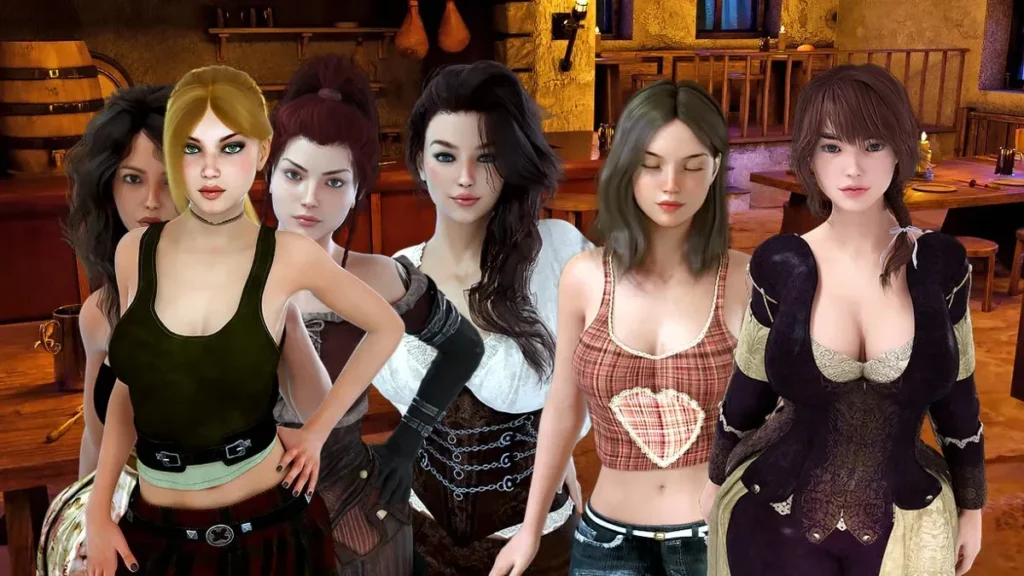
Love Season: Farmer’s Dreams review
Dive into the Visual Novel Adventure
Ever dreamed of tending a farm while uncovering steamy stories in a visual novel? Love Season: Farmer’s Dreams pulls you into that world. This captivating game, crafted by MuseX, transforms the original Farmer’s Dreams into a choice-driven visual novel packed with beautifully illustrated scenes and engaging narratives. I remember my first playthrough—chasing chickens and building relationships felt so immersive. Whether you’re new or a fan, this guide uncovers everything from story changes to final updates, helping you savor every moment without missing a beat.
What Makes Love Season: Farmer’s Dreams a Must-Play?
How Does the Visual Novel Format Elevate the Experience?
I remember the exact moment I stumbled upon Love Season: Farmer’s Dreams. It was late on a Tuesday, and I was clicking through gameplay videos of farm sims, half-paying attention while dinner cooled beside me. Then the video cut to a rain-soaked barn interior, and a character I didn’t recognize spoke with a voice that felt genuinely vulnerable. I sat up. I rewound. And I realized I wasn’t watching a typical farming game anymore.
That’s the magic of a visual novel adaptation done right. Instead of asking you to manage crops and stamina bars, Love Season: Farmer’s Dreams hands you the keys to a story and says, “Just follow along.” For someone like me who gets overwhelmed by spreadsheets and timers, this shift was a revelation. You don’t have to worry about watering schedules or min-maxing profits. You simply experience the narrative, one beautifully rendered frame at a time.
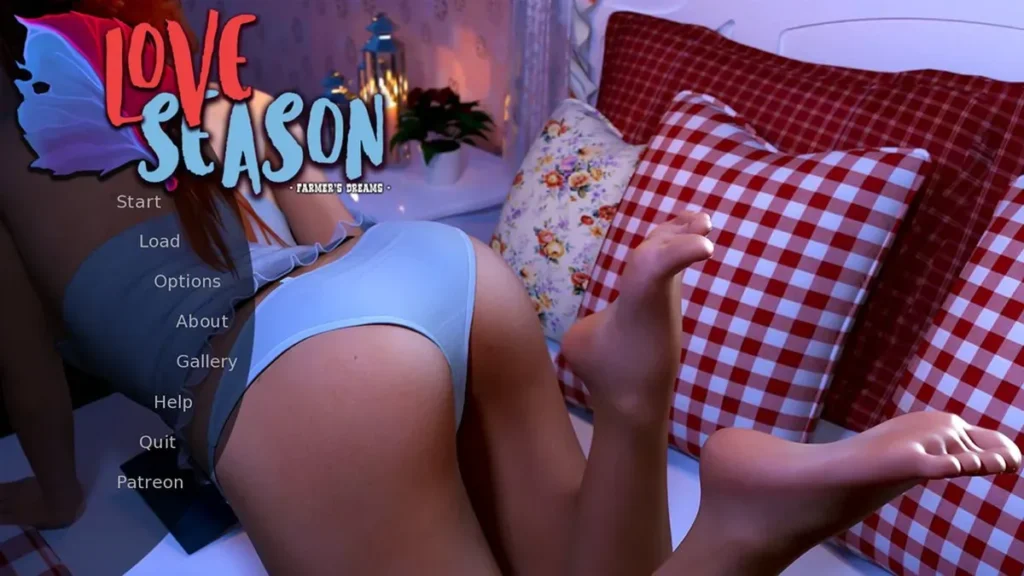
If you’re wondering what is Love Season, here’s the short answer: it’s a MuseX visual novel released up to v2.0 Final in 2024 that takes the world of the original Farmer’s Dreams and reimagines it as a story-first experience. The farming mechanics are still present, but they’re woven into the plot rather than dominating it. You make choices that affect relationships and story branches. You pause to admire beautifully illustrated scenes that feel like a high-end graphic novel come to life. And you never, ever feel rushed.
I have a confession: I tried the original Farmer’s Dreams game and bounced off it twice. The loop of planting, watering, and waiting lost me by day three. But this Farmer’s Dreams visual novel grabbed me from the opening sequence. There’s a moment early on where you find a lost chicken behind the old tractor shed. In the original, that was a simple fetch quest. In this adaptation, it becomes a tender scene where you learn about the previous owner’s habits, the chicken’s quirky personality, and the quiet loneliness of the farm at dawn. That’s the difference between a chore and a memory.
“With Love Season: Farmer’s Dreams, we wanted to offer something that goes beyond the original story entirely. The visual novel format lets us explore character dynamics and emotional beats that wouldn’t fit in a traditional sim. It’s not about managing a farm anymore. It’s about living on one.”
— Developer commentary, MuseX blog
The MuseX visual novel engine deserves its own applause here. Transitions are smooth. Backgrounds shift subtly with the time of day. Character expressions change frame by frame, so you catch every smirk, sigh, and nervous glance. When a storm rolls in during chapter two, the screen darkens, rain streaks across the window, and the audio fills with thunder and creaking wood. You feel that weather in your chest. That’s not something a farming game typically delivers.
Key Story Changes from Farmer’s Dreams?
Here’s the part that might surprise veterans of the original: this isn’t a simple port with prettier graphics. The Farmer’s Dreams changes run deep. Entire characters have been removed, new faces have arrived, and the relationships that form the emotional backbone of the story have been completely reworked.
Let me lay out the key differences so you can see exactly what shifted:
| Element | Original Farmer’s Dreams | Love Season: Farmer’s Dreams |
|---|---|---|
| Main character roster | Sam, Roxie, Vincent, Heather, Amanda | These characters have been removed entirely |
| New addition | None | Nova, a young character adopted by Redd |
| Story focus | Farm management with romance subplots | Character-driven narrative with choices |
| Gameplay balance | 80% farming, 20% story | 20% farming, 80% story |
| Pacing | Real-time days and seasons | Chapter-based with natural flow |
I’ll be honest: when I first heard that Sam and Roxie were gone, I felt a twinge of loss. Those characters had their fans. But after spending time with this adaptation, I understand the choice. Removing certain characters forced the writers to build new dynamics from scratch. And the result feels more cohesive. Every conversation matters. Every character who remains has a clear purpose in the story.
The Farmer’s Dreams visual novel introduces Nova, and she’s the heart of the piece. Adopted by the quiet, reserved Redd, Nova brings questions about her past, curiosity about the farm’s history, and a spark of youthful rebellion that shakes up the small-town setting. Her relationship with Redd forms the emotional spine of the early chapters. Watching him struggle to connect with a child who isn’t biologically his adds layers of vulnerability that the original game never touched.
Another shift I genuinely appreciate: the pacing. In the original Farmer’s Dreams, I felt pressured to optimize every day. If I spent too long talking to characters, my crops wilted. This visual novel adaptation removes that tension entirely. You progress through scenes at a natural rhythm. Conversations unfold without a timer. You can sit in a single location and just look at the environment for as long as you want. It sounds like a small thing, but it transforms the experience from stressful to soothing.
Why the Artwork and Scenes Captivate Players
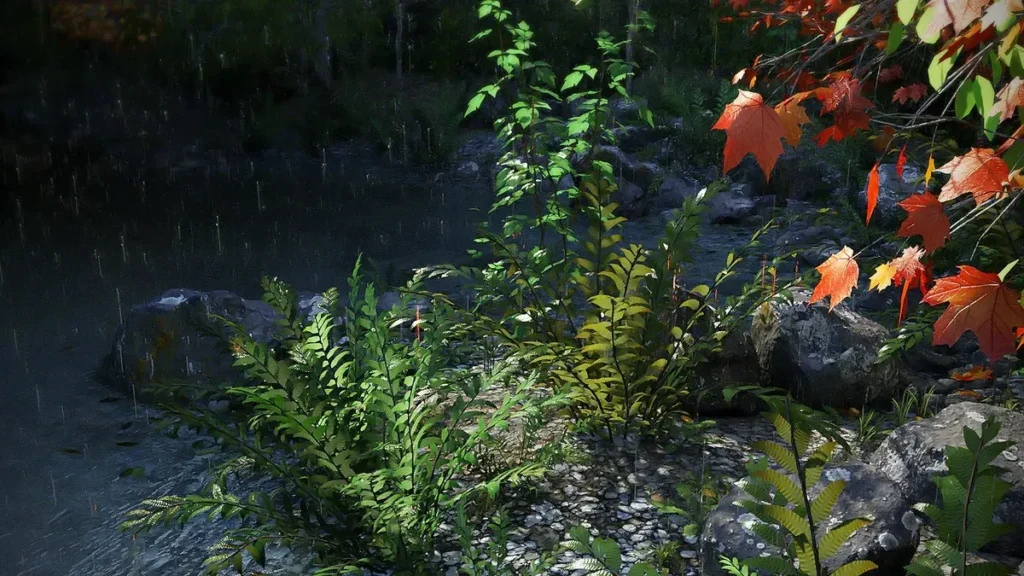
Let’s talk about the visuals, because honestly, they’re the first thing that stops you. Beautifully illustrated scenes are the calling card of Love Season: Farmer’s Dreams, and they deliver on every level. Each background is hand-painted with a level of detail that rewards slow exploration. The way light filters through leaves in the orchard, the reflections in the pond after a rain shower, the warm glow of the kitchen lamp at night—these aren’t just backgrounds. They’re environments you want to live inside.
I found myself lingering on scenes longer than necessary. There’s a moment early in chapter three where you watch the sunset from the hill behind the farmhouse. The sky cycles through pink, orange, and deep purple, and silhouettes of distant trees sway in the wind. I sat there for a full two minutes, just watching. No dialogue. No choices. Just a beautifully illustrated scene doing what it does best: giving you permission to pause.
The MuseX visual novel style leans into a painterly aesthetic that feels both timeless and fresh. Character portraits are expressive enough to convey subtle emotions without becoming cartoonish. When Nova frowns, you see the doubt in her eyes. When Redd smiles—which happens rarely, so it hits harder—the warmth radiates off the screen. The developers clearly understood that in a visual novel adaptation, the artwork carries half the emotional weight.
Here’s a practical tip: don’t rush through the scenes. I know the temptation. You want to see what happens next, so you click through dialogue quickly. But Love Season: Farmer’s Dreams rewards patience. Backgrounds change between lines of dialogue. A character’s posture shifts during a pause. Small animations—leaves falling, water rippling, a cat stretching in the sun—appear when you least expect them. These aren’t filler. They’re storytelling.
I have a favorite scene that I keep returning to. It’s a rainy afternoon in the greenhouse. You’re talking with Redd about Nova’s first week at school, and the conversation drifts into his own childhood memories. The camera slowly zooms in on his face as he speaks, and raindrops slide down the glass behind him. His voice softens. The lighting dims slightly. And for a moment, you forget you’re playing a game. You’re just present in that greenhouse, sharing a quiet moment with someone who’s learning to trust again. That’s the power of beautifully illustrated scenes backed by strong writing.
If you’re coming from the original Farmer’s Dreams, you might worry that skipping the gameplay means losing the sense of accomplishment. I felt that same concern. But what I discovered is that this adaptation offers a different kind of satisfaction. Instead of the dopamine hit from harvesting a perfect crop, you get the deeper reward of watching characters grow, relationships deepen, and mysteries unfold. It’s a trade that favors emotional payoff over mechanical grind.
Love Season Farmer’s Dreams respects your time in a way that traditional farm sims often don’t. You can finish a chapter in a single sitting and feel like you’ve experienced something complete. The narrative is structured so that each segment ends on a note that satisfies while still making you curious for the next piece. That’s hard to pull off, and this team does it consistently.
What is Love Season really about under the surface? It’s about finding connection in isolation. About building a life when the pieces don’t fit neatly. About the quiet triumphs of caring for someone else. The farm is the setting, not the point. And once you accept that, the visual novel adaptation clicks into place as something genuinely special.
I’ll leave you with this: if you love story-rich games but feel burned out by complex systems and endless tutorials, Love Season: Farmer’s Dreams is the palate cleanser you didn’t know you needed. It’s a reminder that sometimes the most powerful experiences come from sitting still and paying attention.
In the next chapter, I’ll dig into the character arcs and how Nova and Redd’s relationship evolves across the story. Spoiler: it gets emotional.
Love Season: Farmer’s Dreams wraps up its main story in a satisfying second season finale, blending farm life with heartfelt connections through stunning visuals and smart choices. From ditching old characters for Nova’s charm to those unforgettable illustrated moments, it’s a journey worth every click. My own dives into walkthroughs and playthroughs showed me how replaying branches unlocks deeper thrills—grab the v2.0 Final, fire it up on your device, and chase those dreams yourself. What’s your favorite scene? Dive in today and find out.