Short Sad Stories
Play Short Sad Stories
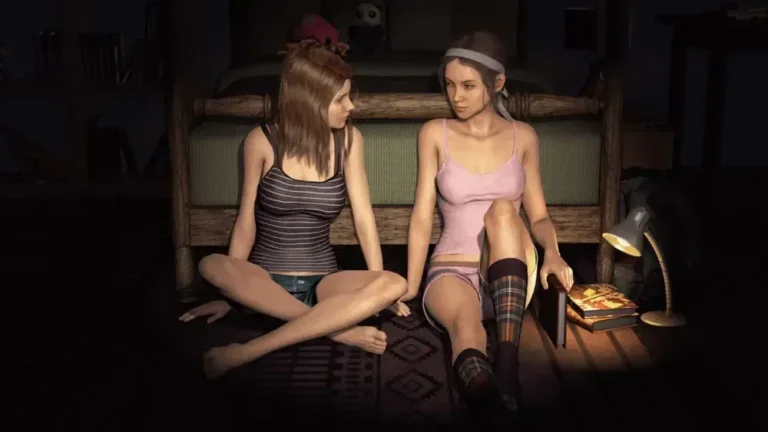
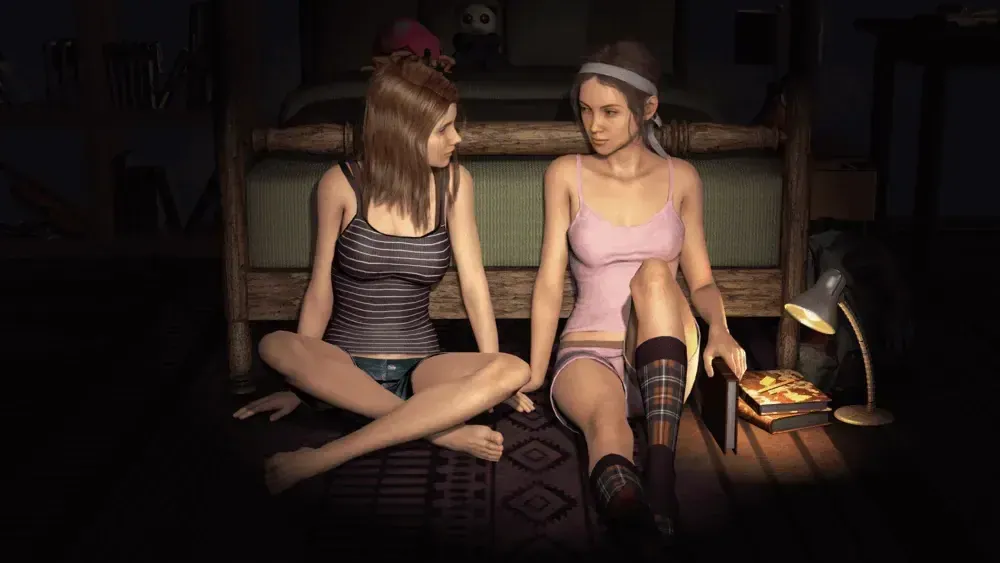
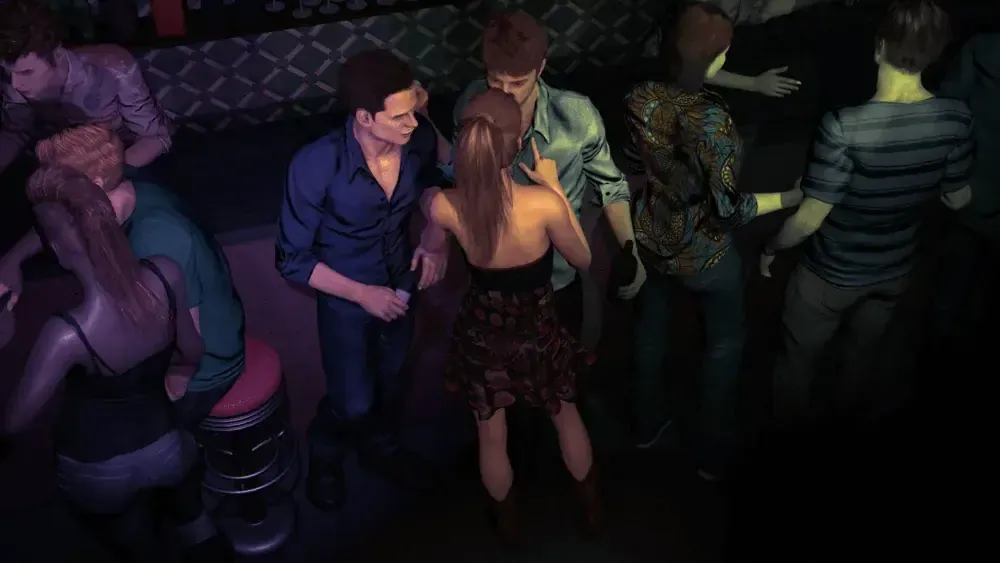
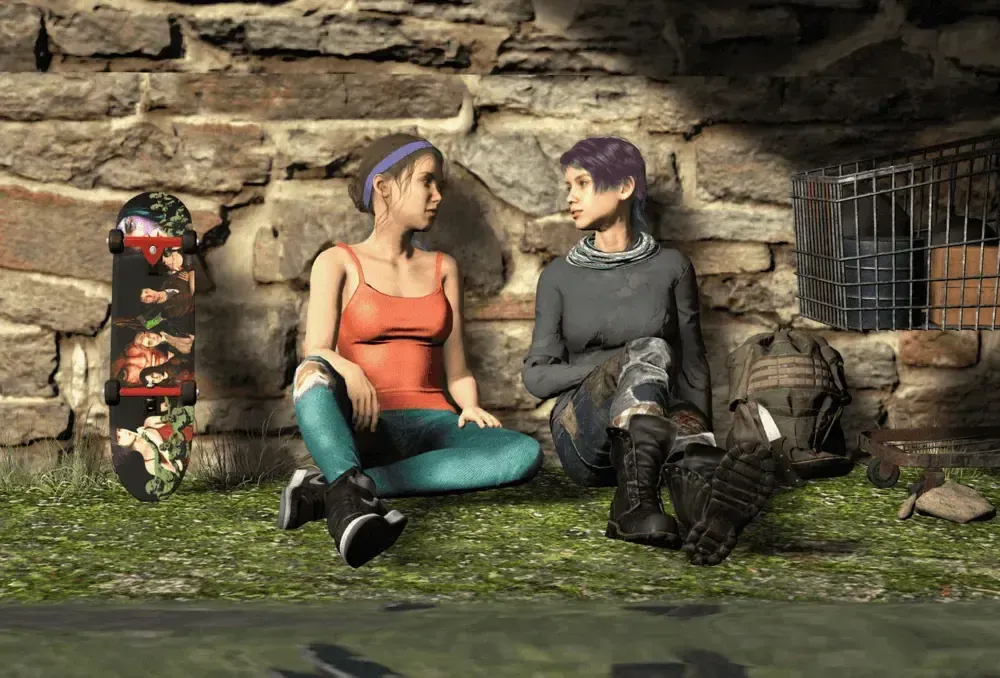
Short Sad Stories Screenshots


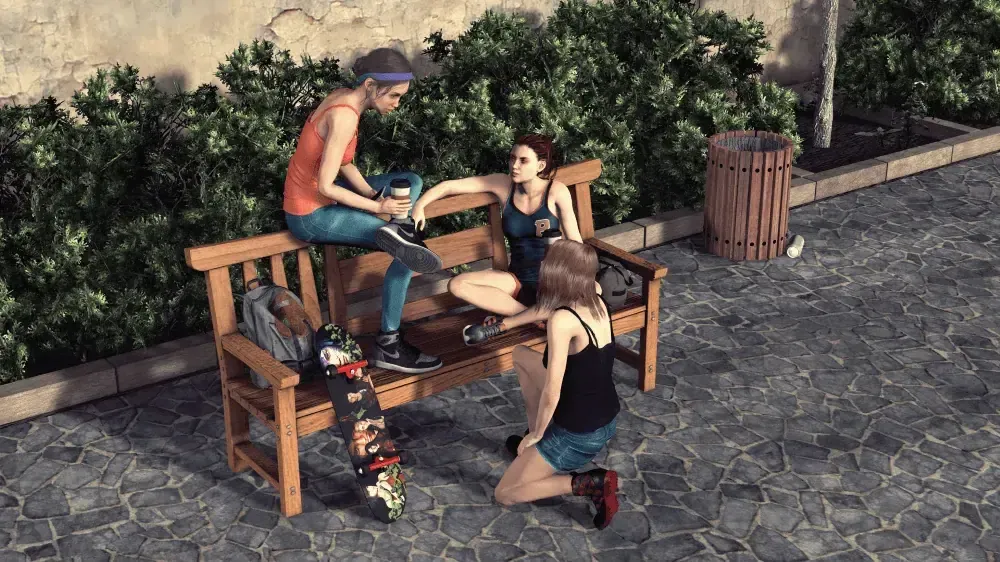
Short Sad Stories review
Exploring narrative complexity and emotional storytelling in indie gaming
Short Sad Stories stands out as a compelling visual novel that weaves together interconnected narratives of young adults facing unexpected challenges and complex life situations. This indie title has garnered attention for its thoughtful approach to storytelling, presenting players with emotionally resonant scenarios that explore themes of misfortune, personal growth, and human connection. Whether you’re a visual novel enthusiast or new to the genre, understanding what makes Short Sad Stories unique can help you appreciate its narrative depth and artistic vision. This guide explores the game’s key features, storytelling approach, and what players can expect from this emotionally engaging experience.
Understanding Short Sad Stories: Gameplay and Narrative Structure
So, you’ve clicked on a game called Short Sad Stories 🎮. The title alone promises a certain kind of journey, doesn’t it? It’s not shouting about epic battles or high scores; it’s quietly offering you a seat at a table where life isn’t always fair, and emotions run deep. This is the heart of modern narrative-driven indie games—experiences that prioritize the weight of a conversation over the thrill of a victory screen. As a genre, visual novels are perfectly suited for this, but Short Sad Stories takes that framework and bends it into something uniquely intimate and structurally daring. It’s more than just reading; it’s about witnessing, influencing, and ultimately, feeling the delicate web of human connection and despair.
This interactive fiction experience asks a simple but profound question: What happens when we sit with sadness, not as a tragedy to be solved, but as a story to be understood? Let’s pull up a chair and dive in.
What Makes Short Sad Stories a Unique Visual Novel Experience
At its core, Short Sad Stories is a visual novel, but to leave the description there would be a disservice. Think of most visual novels as a single, intricate tapestry telling one grand tale. Short Sad Stories, however, hands you a collection of smaller, exquisitely woven patches. Each patch is a complete life, a full story of a person grappling with their own personal vortex of misfortune, regret, or quiet desperation. The magic—and the unique genius of this title—is in the threads that connect these patches. You don’t just play one story after another; you discover how they are invisibly stitched together, how a bystander in one tale is the heartbroken protagonist of another, and how a seemingly minor choice echoes into a different life entirely.
This approach fundamentally changes the emotional narrative games landscape. Instead of a linear emotional arc, you get a mosaic of feeling. One story might leave you with a lump in your throat, the next with a sense of bittersweet resolve. It prevents emotional fatigue by varying the shades of “sad,” exploring everything from the acute pain of sudden loss to the chronic ache of unfulfilled dreams. This makes the Short Sad Stories visual novel not a barrage of misery, but a thoughtful study in melancholy.
I remember my first playthrough. I was deeply affected by a story about a man mourning his wife, a tale of quiet dinners alone and memories in an empty house. Hours later, in a seemingly unrelated story about a young artist struggling with creative block, I walked her past a café window—and there he was, the same widower, sitting with a book. My breath hitched. In his story, that moment was a mundane Tuesday. In hers, he was just background texture, a silent detail in her world. But for me, the player who knew his pain, that single frame was loaded with unspoken history. It created a profound sense of a living, breathing world where joy and sorrow exist simultaneously, often unaware of each other. That is the special alchemy of this game.
Where does it stand in the wider genre? Let’s look at how it compares to some other beloved titles.
| Feature | Short Sad Stories | Common Visual Novel Tropes |
|---|---|---|
| Narrative Structure | Interwoven, nonlinear short stories; a mosaic of connected lives. | Typically a single, linear plotline or parallel routes for main characters. |
| Player Agency | Choices often affect the emotional tone and perspective, not just the ending “branch.” | Frequently leads to distinct, branching endings (good, bad, true). |
| Thematic Focus | Mature, everyday human struggles, melancholy, and quiet consequences. | Often centers on romance, mystery, fantasy, or high-stakes drama. |
| Character Scope | Ensemble cast where everyone is a protagonist of their own tale. | Focus on a central protagonist and their immediate circle. |
| Emotional Pacing | Varied and episodic; emotional resets between stories prevent overload. | Builds a sustained emotional arc towards a climax. |
This table highlights its distinct position. It’s less about chasing a specific outcome for one character and more about understanding the ripple effects within a community of souls. It’s a masterclass in character-driven storytelling where the “plot” is simply the sum of these vulnerable, human moments.
Character Development and Interconnected Story Arcs
The lifeblood of any great story-rich indie title is its characters, and Short Sad Stories treats its cast not as vessels for plot, but as fully realized individuals. You won’t find archetypes here. Instead, you meet the exhausted nurse grappling with compassion fatigue, the retired teacher haunted by a past student, the young adult paralyzed by the weight of their family’s expectations. Their development doesn’t come from leveling up stats, but from the slow reveal of their history, their private thoughts, and the subtle ways they change (or stubbornly refuse to change) in the face of their dilemmas.
The game’s true narrative brilliance, however, lies in its interconnected arcs. This isn’t a “twist” saved for the end; it’s the very fabric of the experience. As you play, you become a cosmic observer, privileged with a god’s-eye view of this small world. You start to recognize:
* The Echo: A line of dialogue in one story that explains a motivation in another.
* The Glimpse: A character walking through the background of a scene, living their life while another’s drama unfolds.
* The Consequence: An action taken in Story A that directly creates the difficult situation for the protagonist in Story B, though neither may ever know it.
This structure does something remarkable: it trains you to be empathetic. When you later assume the role of a character you previously disliked or judged from another’s perspective, the game forces you to re-contextualize their actions. That gruff shopkeeper isn’t just rude; you’ve seen the lonely evening that colored his morning. This method of character-driven storytelling fosters a complex, nuanced empathy that few other emotional narrative games achieve. You’re not just told to feel for them; you are given the pieces to understand why.
The pacing is deliberate and thoughtful. Each story is indeed “short”—playable in a single sitting—which makes the emotional investment manageable and potent. You sit with one person’s struggle, reach some form of narrative conclusion (which isn’t always a “solution”), and then the game allows you to breathe before introducing you to the next face in the crowd. This pacing is a respectful choice. It understands that its themes are heavy, and it gives you, the player, the space to process, making the overall interactive fiction experience more resonant and less overwhelming.
Gameplay Mechanics and Player Choice Impact
Let’s talk about how you actually interact with this world. The visual novel gameplay mechanics in Short Sad Stories are elegantly simple on the surface, but their implications run deep. You will read, click to advance text, and occasionally be presented with choices. But don’t mistake simplicity for a lack of depth. This is where the game’s philosophy truly shines.
A personal insight: In my first story, I played as Leo, a man visiting his estranged father. At a key moment, I was given a choice: “Press him about the past” or “Change the subject to the garden.” In a more traditional game, I’d expect one to be the “right” path to reconciliation. Here, neither was. Pressing him led to a painful, raw argument that provided catharsis but deepened the immediate rift. Changing the subject led to a tense, quiet afternoon where nothing was resolved, but a fragile peace was maintained. Both felt authentic. Both hurt in different ways. The game validated that some dilemmas don’t have correct answers, only different shades of consequence.
This exemplifies the Short Sad Stories approach to choice. Your decisions rarely unlock entirely new plot branches. Instead, they:
* Color the Emotion: They change the tone and emotional cadence of a scene. A kind word might not fix a life, but it might give a character one moment of grace.
* Shift Perspective: They can reveal different internal monologues or unlock optional narrative fragments that enrich your understanding.
* Create Ripples: This is the most crucial mechanic. A choice in one story can manifest as an unchangeable environmental condition in another. For example, convincing a character to take a job at a diner might mean you later see them serving coffee in the background of a different story, subtly altering that scene’s context for you.
Let’s look at a concrete example of how these visual novel gameplay mechanics create narrative depth.
Example: The Ripple of a Single Decision
In “Elias’s Story,” you play a barista who finds a lost, expensive watch. You have a choice: Attempt to find the owner or Sell it to cover your rent. If you choose to sell it, Elias’s immediate financial stress is alleviated. The story ends with him relieved, yet subtly uneasy.
Later, you begin “Maya’s Story.” Maya is a journalist investigating corporate corruption. In one scene, she needs to get a key piece of evidence from a nervous source who agrees to meet at a café. The source says, “I’ll be the one fidgeting with my watch.” If you, as the player, had found the owner for that watch in Elias’s tale, the source will be there, fidgeting with his hands. Maya gets her evidence, and her story can progress toward exposing the truth. If you sold it, however, the source is not there. Maya waits, gets stood up, and her investigation hits a dead end. Her story becomes one about frustration and a failed pursuit of justice.
Your choice didn’t change Maya’s character, but it irrevocably altered the circumstance of her world. The game doesn’t flash a message saying “Your choice mattered!” It simply lets you live in the world you helped shape, for better or worse. This creates an unparalleled sense of quiet responsibility and makes Short Sad Stories a pinnacle of narrative-driven indie games.
Technical Notes & Availability
Crafted with care, the Short Sad Stories visual novel is available exclusively on Steam. It’s designed to be accessible, running smoothly on most modern systems without demanding high-end hardware. The art style is a beautiful, hand-drawn aesthetic that complements its intimate tone, and the soundtrack is a subtle, piano-and-strings score that never manipulates, only accompanies. It’s the complete package of a story-rich indie title—a game that understands its strengths and polishes them to a heartfelt shine.
Ultimately, Short Sad Stories is an invitation to listen. To pay attention to the quiet people, the unresolved moments, and the hidden connections that make up a community. Its visual novel gameplay mechanics are a vehicle for empathy, and its structure is a testament to the complexity of human experience. It proves that in the realm of emotional narrative games, sometimes the most powerful stories are not about saving the world, but about seeing it—truly seeing it—in all its beautiful, heartbreaking detail.
Short Sad Stories represents a meaningful entry in the visual novel genre, offering players an emotionally authentic experience through its interconnected character narratives and thoughtful exploration of life’s complexities. The game’s strength lies in its ability to balance multiple storylines while maintaining emotional resonance, creating a space where players genuinely care about the outcomes of each character’s journey. For those seeking a narrative-focused gaming experience that prioritizes character development and emotional storytelling over action-driven gameplay, Short Sad Stories delivers a compelling and memorable adventure. If you’re interested in exploring indie games that challenge conventional storytelling or appreciate visual novels with depth and substance, this title deserves a place in your gaming library.