Summer’s Gone
Play Summer’s Gone
Summer’s Gone Screenshots

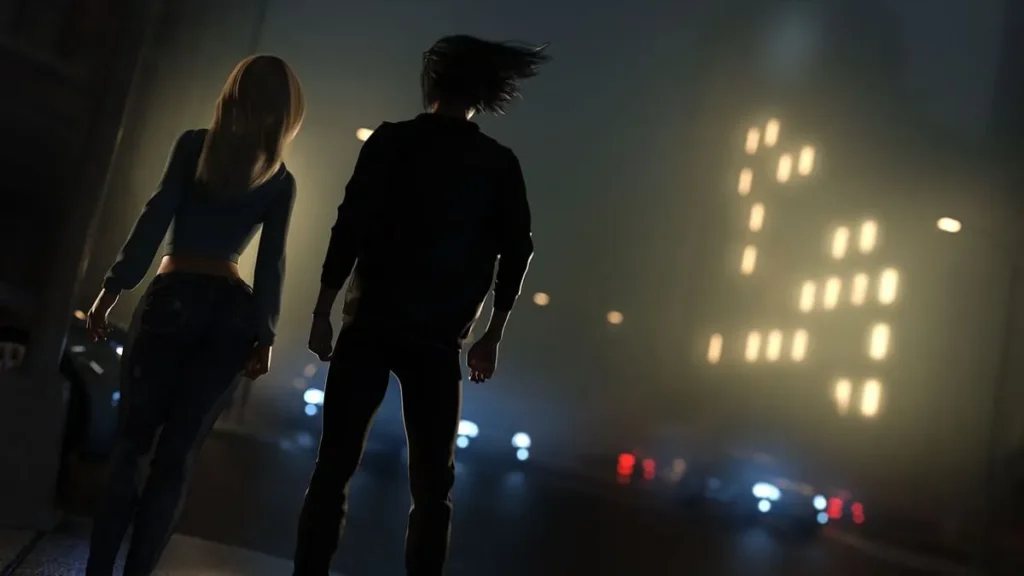

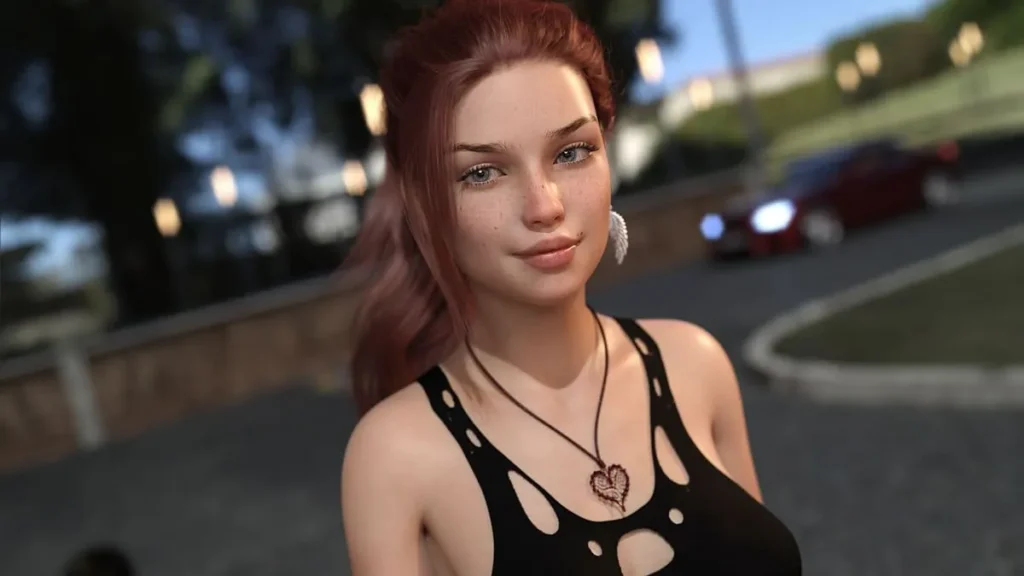




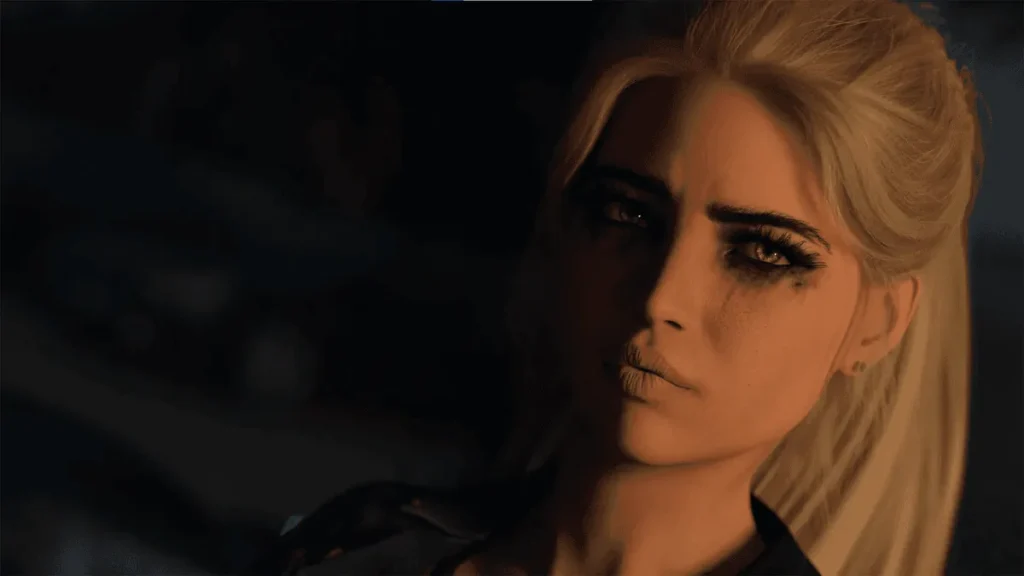


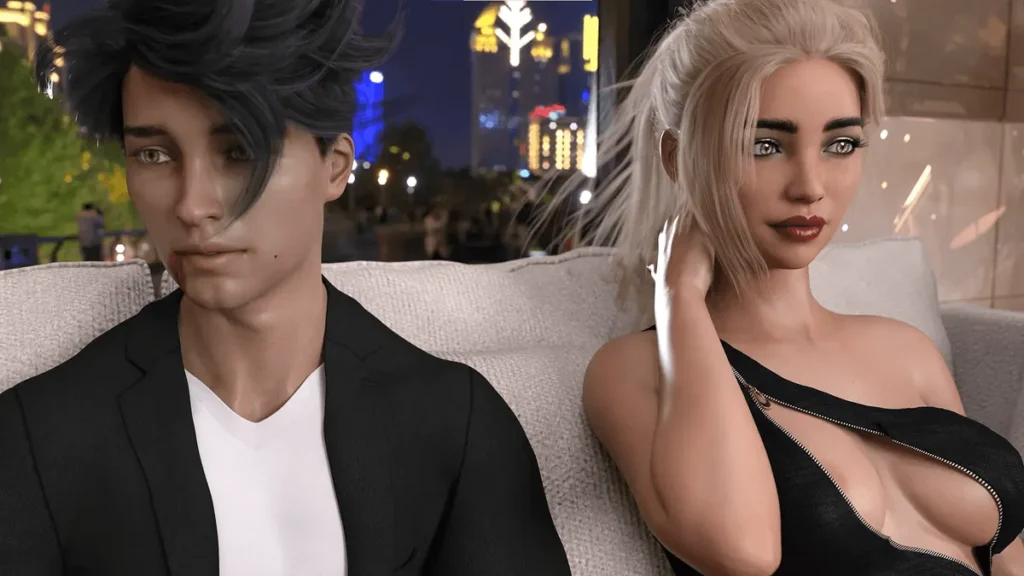
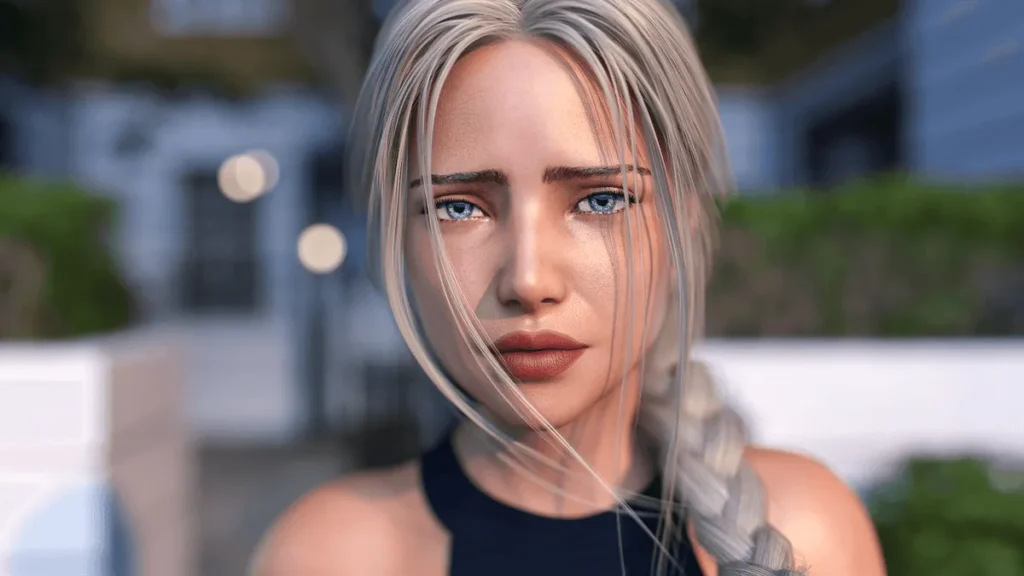

Summer’s Gone review
Explore Romance, Trauma, and Choices in This Captivating Game
If you’re diving into Summer’s Gone, you’re in for a treat. This interactive visual novel from Oceanlab pulls you into a world of deep emotional storytelling, where the protagonist grapples with loss, trauma, and the start of college life. Unlike many quick-hit games, Summer’s Gone focuses on romance, relationship building, and mental health themes like depression and isolation. With a massive cast of unique love interests, each with rich backstories, your choices shape the narrative in meaningful ways. Season 1 sets the stage with slice-of-life moments, mysteries, and sci-fi hints in a tabletop setting. Stick around as I break down what makes this game stand out and how to make the most of it.
What Makes Summer’s Gone Stand Out?
I remember the first time I loaded up Summer’s Gone, the visual novel. 😮 I’d just finished a string of dating sims that felt… empty. You know the type—shallow characters, rushed relationships, and a checklist of adult scenes that seemed to be the entire point. I was ready for something with real substance, and wow, did I find it. From the very first cinematic scene, I was completely hooked, not by flashy promises, but by a profound, aching emotional depth that most games never dare to approach. What’s truly fascinating? The first season of this captivating Summer’s Gone story has no explicit content at all. Its power comes from something far more potent: raw, human vulnerability. 🤝
So, what is Summer’s Gone, exactly? At its heart, it’s a narrative-driven experience where you step into the worn-out shoes of Nika Cyrus, a young man beginning college while carrying a world of hurt. His childhood love, Summer, vanished without a trace, leaving him shattered. He grapples with deep isolation, a simmering anger, and a depression that feels like a physical weight. This Summer’s Gone visual novel isn’t about winning a trophy; it’s about the slow, fragile, and often painful process of learning to live again.
Core Story and Themes Explored
The Summer’s Gone story is a masterclass in weaving complex personal drama with intriguing world-building. 🎭 Nika’s journey at College of the Arts (COOA) is our primary lens, but the world around him is surprisingly layered. You’ll encounter subtle sci-fi elements and even a mysterious tabletop gaming club that hints at a larger, almost alternate-reality framework. But don’t let that distract you—the true magic is in the people.
The cast is enormous and meticulously crafted. We’re not just talking about a handful of potential partners. We’re talking about a full ecosystem of characters, each with their own compelling personalities, intricate backstories, and hidden scars. From the fiercely independent Bella to the sweet and supportive Mila, or the enigmatic Zara, every interaction feels meaningful. Your choices in dialogue and action don’t just determine who you romance; they actively shape Nika’s personality. Will he remain a closed-off, cynical loner, or will he slowly open up and rediscover his capacity for connection? The game puts that evolution squarely in your hands. ✨
The Summer’s Gone themes are what truly set it apart. This isn’t a lighthearted romp. It’s a deep, sometimes uncomfortable, exploration of the human psyche in the aftermath of trauma.
| Central Theme | How It Manifests in the Story |
|---|---|
| Healing & Hope | The core journey is Nika’s gradual, non-linear path from a state of broken isolation toward the possibility of recovery and new beginnings. |
| Love & Loss | Examined through the ghost of Summer, the potential for new relationships, and the love between friends struggling to help each other. |
| Ambition & Insecurity | Seen in the driven characters at an arts college, all wrestling with self-doubt while pursuing their dreams. |
| Shame & Loneliness | The pervasive internal feelings Nika battles, which resonate with characters like Sasha, who has her own social struggles. |
| Disability | Represented with care through characters coping with physical conditions, adding a layer of real-world challenge and resilience. |
As the developer OceanLab himself stated on the Steam page:
“This project focuses on healing and character depth. The story will tackle heavy subjects… The ‘adult’ content is not the focus and will only be added once the story and characters are fully established.”
This philosophy is the game’s backbone. It promises that the emotional foundation comes first, making any future developments feel earned, not exploitative.
Why the Slow-Burn Romance Works
If you’re used to visual novels where you pick a girl and get a quick confession by chapter three, the Summer’s Gone romance approach will be a revelation—and for me, it’s the game’s greatest strength. ❤️🔥 There are no easy wins here. Relationships build through shared vulnerability, quiet moments of understanding, and overcoming mutual baggage.
I’ll never forget one pivotal scene with Bella. Without spoiling too much, it involves a simple act of staying present during a moment of shared silence, overlooking the city at night. There’s no grand confession, no kiss. It’s just two deeply guarded people allowing their walls to crack for a second, acknowledging a connection without needing to define it. The writing and stunning renders made that moment feel more intimate and charged than any explicit scene I’ve seen in other games. It was real. That’s the power of the Summer’s Gone story—it makes you feel the weight and wonder of genuine human connection.
This is where the Summer’s Gone visual novel truly outperforms its peers. It prioritizes character development over instant gratification. The “burn” is slow because rebuilding a person takes time. Nika isn’t boyfriend material when you start; he’s a project of self-reconstruction, and the potential love interests have their own healing to do.
Practical Advice: To fully appreciate this game, shift your mindset. Don’t play to “collect” scenes or characters. Play to witness and guide a recovery. Savor the awkward conversations, the moments of failure, and the small, hard-won victories. The payoff isn’t a lewd image; it’s the heart-stopping moment when a character finally, truly smiles at Nika because of the trust you’ve built.
Mental Health Representation Done Right
This is perhaps the most groundbreaking aspect of the Summer’s Gone experience. The Summer’s Gone mental health portrayal is not a plot device or a quirky character trait. It’s woven into the fabric of the narrative with a startling and respectful authenticity. Nika’s depression and PTSD are presented as a pervasive reality. It affects his sleep, his interactions, his self-image, and his ability to hope.
But it doesn’t stop with the main character. The game explores a spectrum of psychological struggles through its large cast, creating a world where mental health challenges are simply a part of the human condition. The narrative thoughtfully explores topics like:
- Depression and Melancholy: The heavy, lingering grief Nika carries, and the way it colors his entire world.
- Traumatic Loss: The central mystery of Summer’s disappearance and its devastating, long-term impact.
- Social Anxiety & Insecurity: Seen in various characters who struggle with self-worth and fitting in.
- Shame and Guilt: The internalized blame characters carry for past events or personal shortcomings.
- Coping with Disability: The physical and emotional challenges faced by characters dealing with chronic conditions.
The Summer’s Gone themes of recovery are never about a magical cure. There’s no single conversation that “fixes” Nika. Healing is shown as a daily choice, a series of tiny steps forward (and sometimes backward), often helped by the patient, stubborn presence of others who refuse to give up on you. It’s a portrayal that resonates deeply with anyone who has faced similar battles, offering not a solution, but a powerful sense of being seen. 🫂
The promise of future seasons exploring more mature content feels exciting precisely because of this strong foundation. When those elements are eventually introduced, they won’t feel cheap or gratuitous. They will feel like a natural progression of the deep, trusting bonds we’ve spent dozens of hours nurturing. The Summer’s Gone romance will have been earned, and the Summer’s Gone story will have proven that the most compelling journeys are about the heart and mind first, making any physical intimacy a powerful culmination of character, not the objective. This Summer’s Gone visual novel is building something special, and it invites you to be part of every fragile, beautiful step of the process.
Summer’s Gone masterfully blends heartfelt storytelling, complex characters, and meaningful choices into an unforgettable visual novel experience. From Nika’s journey through trauma to building deep romances with a vibrant cast, it’s a game that lingers long after the credits. Whether you’re chasing every CG, optimizing love points, or just soaking in the emotional highs, multiple playthroughs reveal even more layers. If you haven’t started yet, grab it on Steam or itch.io today—your next favorite story awaits. What’s your go-to romance path? Drop a comment below and let’s chat.